European Union proposes social media ban under 13
A draft measure would restrict access up to age 15, eliminate infinite scrolling and require pre-approval for platform changes.
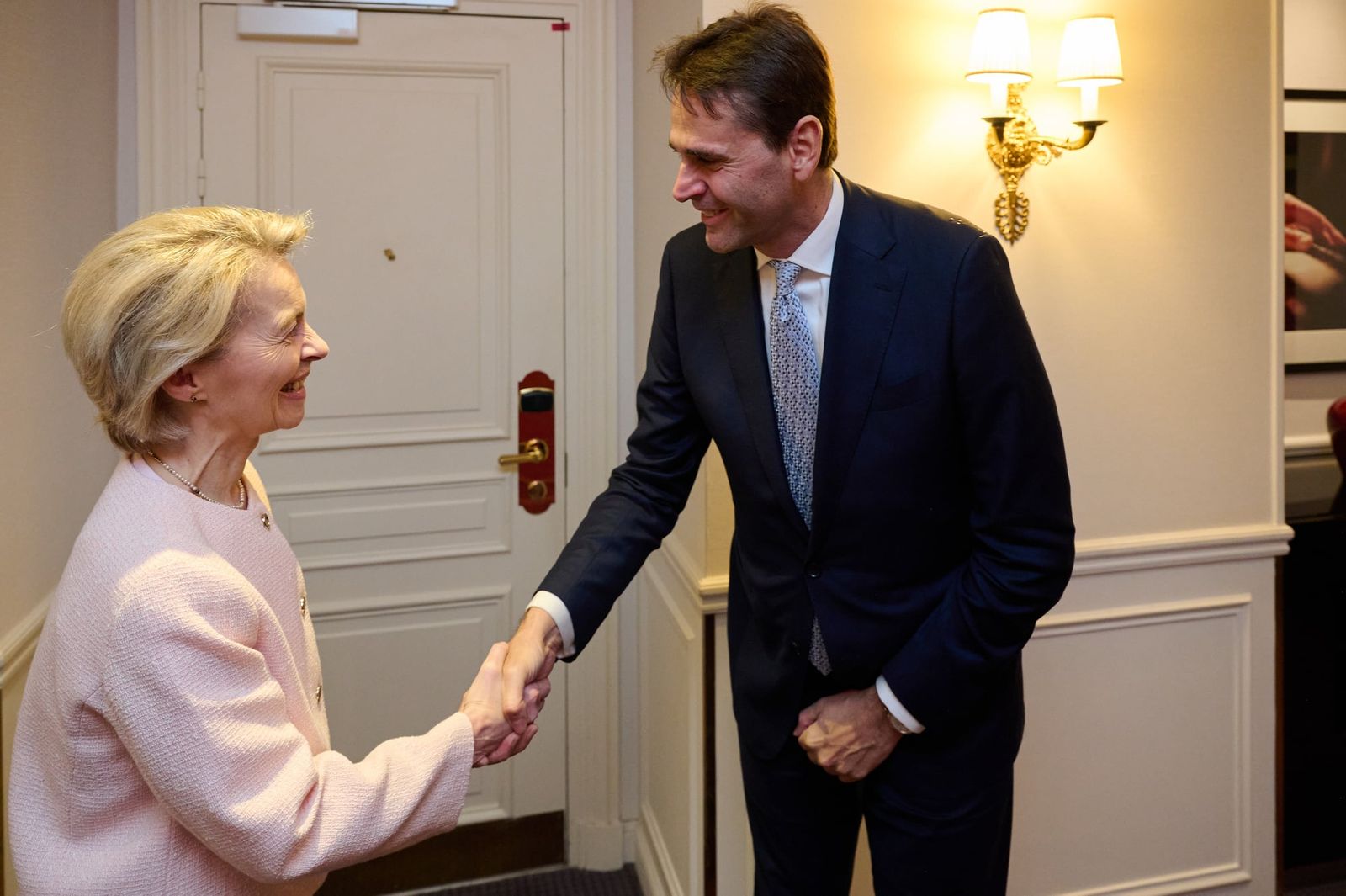
The European Union outlined a proposed law that would prohibit children under 13 from using social media across the 27-nation bloc.12
The legislative plan, titled the EU Kids Act, introduces a graduated system of digital restrictions across four age categories, while setting direct product-design mandates for social media platforms, video-sharing services, video games, and artificial intelligence companions.23 European Commission President Ursula von der Leyen detailed the measure during her State of the Union address to the European Parliament, arguing that public authorities rather than commercial platforms must establish standards for child protection.23
"Europe has the power to act. It is us who decide our rules, not big tech," von der Leyen said during the address. "No personal account under the age of 15. No social media under the age of 13. That means only mini accounts from 13 to under 15, set up and supervised by parents, with limited features and time restrictions."2

The draft rules establish four tiers of access based on age.32 Children under three face a total prohibition from social media and other designated high-risk online services.23 Minors aged three to 13 are restricted to child-friendly services under adult supervision.23 Adolescents between 13 and 15 may access social networks and video-sharing platforms only through restricted accounts set up with parental permission, subject to screen-time caps, parental monitoring, and reduced functionality.23 Teenagers aged 15 to 18 may hold standard accounts without parental consent, but their accounts remain governed by safety-by-design requirements.23
To enforce the age boundaries, platforms such as Instagram, TikTok, and YouTube will be required to verify a user's age during account creation.2 Compliance would occur through an EU-wide age-verification application or accredited national systems that confirm whether an individual exceeds a specific age threshold.2 For existing accounts, platforms must apply proportionate checks, taking into account factors like subscription history.2
Beyond account-creation curbs, the bill imposes functional bans on interface mechanics that regulators view as harmful or habit-forming.2 The text prohibits infinite scrolling, automated push notifications, and engagement reward mechanisms designed to keep users online.2 Recommender algorithms must avoid engagement-driven rabbit holes, and platforms must set minors' accounts to private by default, blocking contact from unknown users.2 Educational services, public authority systems, and industrial artificial intelligence tools remain exempt from the legislation.2
Von der Leyen also cited concerns regarding synthetic content and platform algorithms targeting children.2 "We do not have to accept addictive features. We do not have to accept children being drawn into ever more extreme content. We do not have to accept that girls have their photos used for AI-generated sexualised images," von der Leyen said.2
The proposal shifts regulatory oversight toward mandatory compliance and platform fees.2 Online services already subject to the stricter tier of the Digital Services Act would be required to obtain prior authorization from the European Commission before introducing new product features capable of affecting children.2 The Commission also plans to levy a supervisory fee on technology companies to fund enforcement operations.2
The legislative push arrives after several member states began advancing individual national restrictions.23 Governments in France, Greece, Austria, Denmark, Spain, Belgium, Italy, Germany, Poland, and the Netherlands have considered or introduced their own statutory limits.2 Spain and the Netherlands asked the Commission to widen the draft law's reach beyond traditional social networks to capture interactive video games and conversational artificial intelligence chatbots, prompting the broader scope.2
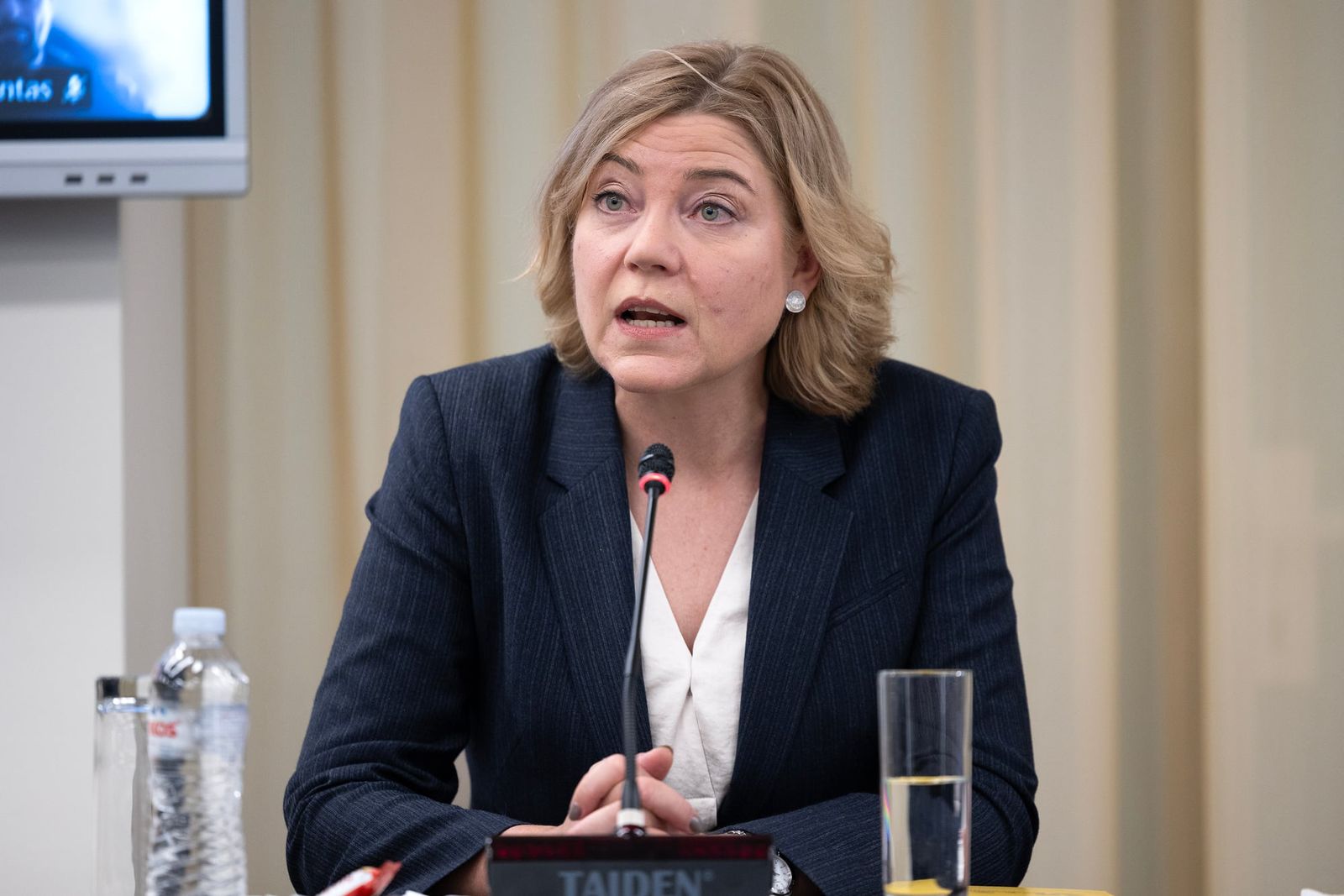
Executive Vice-President Henna Virkkunen, who oversees tech sovereignty, security, and democracy, is scheduled to outline the technical and administrative details of the bill alongside von der Leyen.3 The proposal follows earlier recommendations delivered in July by an expert advisory panel convened by the EU executive, as well as international precedents, including Australia's legislative move to establish a social media ban for users under 16.23
What this rests on
32 sentences trace to 3 sources.
-
1
N
nytimes.com Document · nytimes.com · 16 Sep 2026 European Union Proposes Social Media Ban for Children Under 13 See the source
-
2
E
euronews.com Third-party reporting · euronews.com · 15 Sep 2026 EU moves toward restricting social media access for under-15s See the source
-
3
R
RTÉ Third-party reporting · rte.ie · 14 Sep 2026 EU to outline curbs on children accessing social media See the source