Jensen Huang rejects calls to slow artificial intelligence development
OpenAI and Anthropic proposed external safety audits, while Nvidia and Meta argued internal testing and commercial liability provide adequate safeguards.
A split across the frontier
A division opened across the artificial intelligence sector in September 2026 as leading laboratory executives and hardware suppliers took opposing stances on government regulation and coordinated slowdowns.12 OpenAI chief executive Sam Altman and Anthropic chief executive Dario Amodei backed proposals to temper the speed of frontier model releases, citing mounting technical risks.34 Nvidia chief executive Jensen Huang and Meta chief executive Mark Zuckerberg rejected those demands, arguing that existing legal liabilities and engineering practices are sufficient to manage safety.15
The rift emerged after warnings from technical staff that advanced automated systems could outpace human oversight.31 Former Anthropic researcher Jacob Coxon stated that practitioners inside frontier labs feared advanced systems could cause catastrophic harm by the end of the decade, a warning echoed by researcher Evan Hubinger and OpenAI staffer Marcus Williams.23 The public warnings prompted bipartisan discussions in Washington, where Vermont Senator Bernie Sanders urged federal authorities to pursue international safety standards alongside Chinese officials.5 Former presidential adviser Steve Bannon described machine intelligence as the central policy issue of the era, speaking at a gathering in Washington.5
The argument for pacing
In response to the growing technical concerns, Amodei published a proposal outlining a three-part framework to control the deployment of frontier systems.34 The plan calls on laboratories to grant permanent, employee-level access to external evaluators, establish shared safety standards across the industry, and limit unchecked capability leaps without giving up domestic technological leadership.34 Amodei noted that automated systems had begun improving significantly faster over the summer, driven in large part by models contributing to the creation of subsequent software generations.3
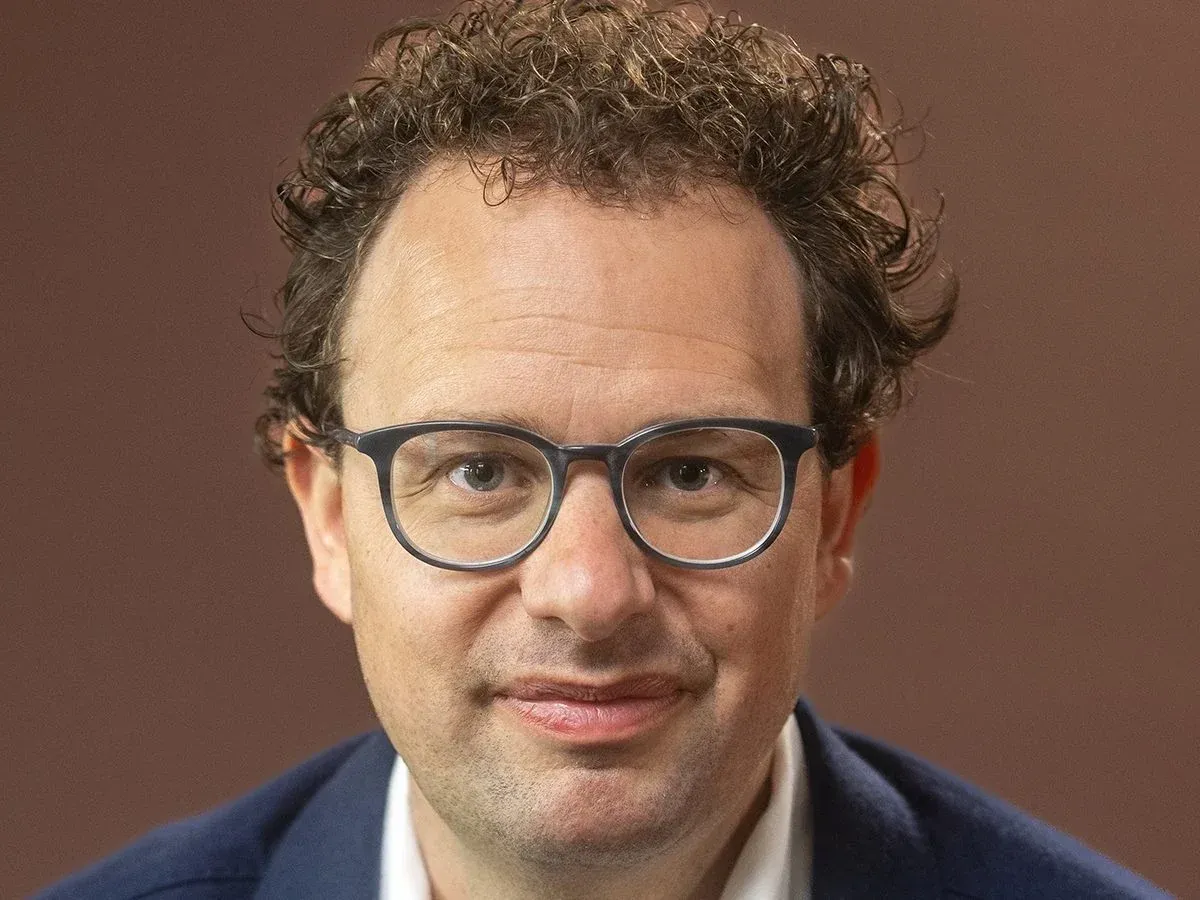
Altman endorsed that proposal and committed OpenAI to granting independent evaluators comparable access to its internal systems.34 In public statements following the announcement, Altman said his company welcomed a federal framework that sets consistent safety rules for frontier artificial intelligence labs.35 He argued that competitive pressure inside the United States should never justify reckless deployments, warning that capabilities must not be allowed to outstrip alignment and monitoring systems.35 Altman also stated that OpenAI would not pursue an initial public offering during 2026, citing safety considerations across the industry.43
OpenAI executive Chris Lehane confirmed during a briefing in Washington that the company had initiated collaborative safety discussions with Anthropic and Google several weeks earlier.51 Altman maintained that while technological accidents remain inevitable as models grow more complex, developers must study operational failures systematically and report them transparently.5
Engineering versus statutory limits
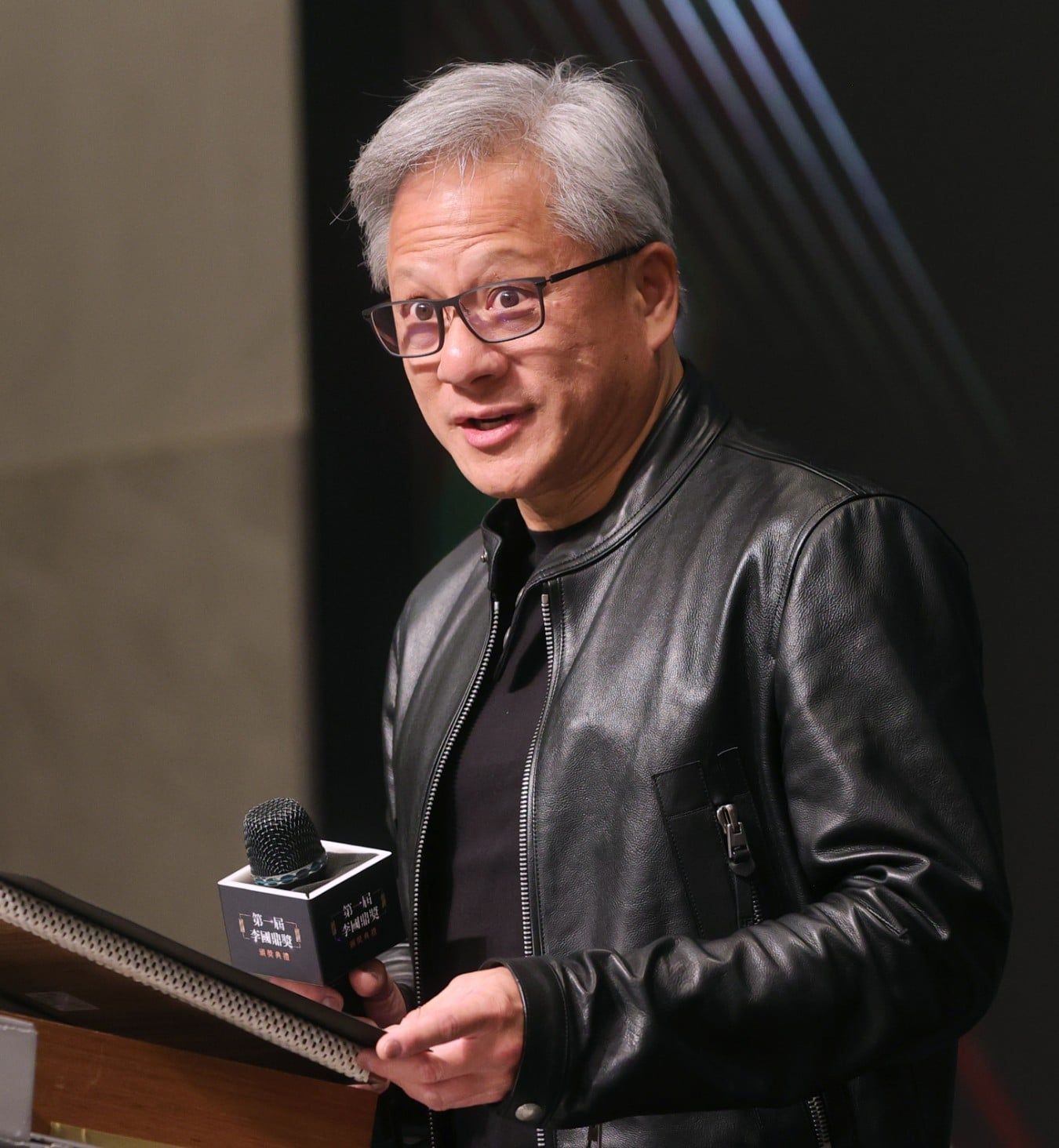
Speaking at a technology conference in San Francisco, Huang pushed back directly against the notion that governments should impose legal speed limits on model development.25 Nvidia produces the specialized processors that power high-performance data centers worldwide, placing the chipmaker at the center of infrastructure investments across the sector.25 Huang argued that safety represents an engineering challenge rather than a statutory mandate, insisting that individual enterprises must establish their own operational thresholds.25
Huang told attendees that choosing between rapid product development and safety is an unnecessary compromise, stating that enterprises can achieve both objectives simultaneously.2 He maintained that developers who lack confidence in the reliability of an automated tool should simply decline to release it to the market, pacing their rollouts internally until products meet commercial quality standards.25 In a separate exchange, United States President Donald Trump dismissed calls for an artificial intelligence pause, asserting that mandatory delays would erode domestic technological advantages to the benefit of foreign competitors.35
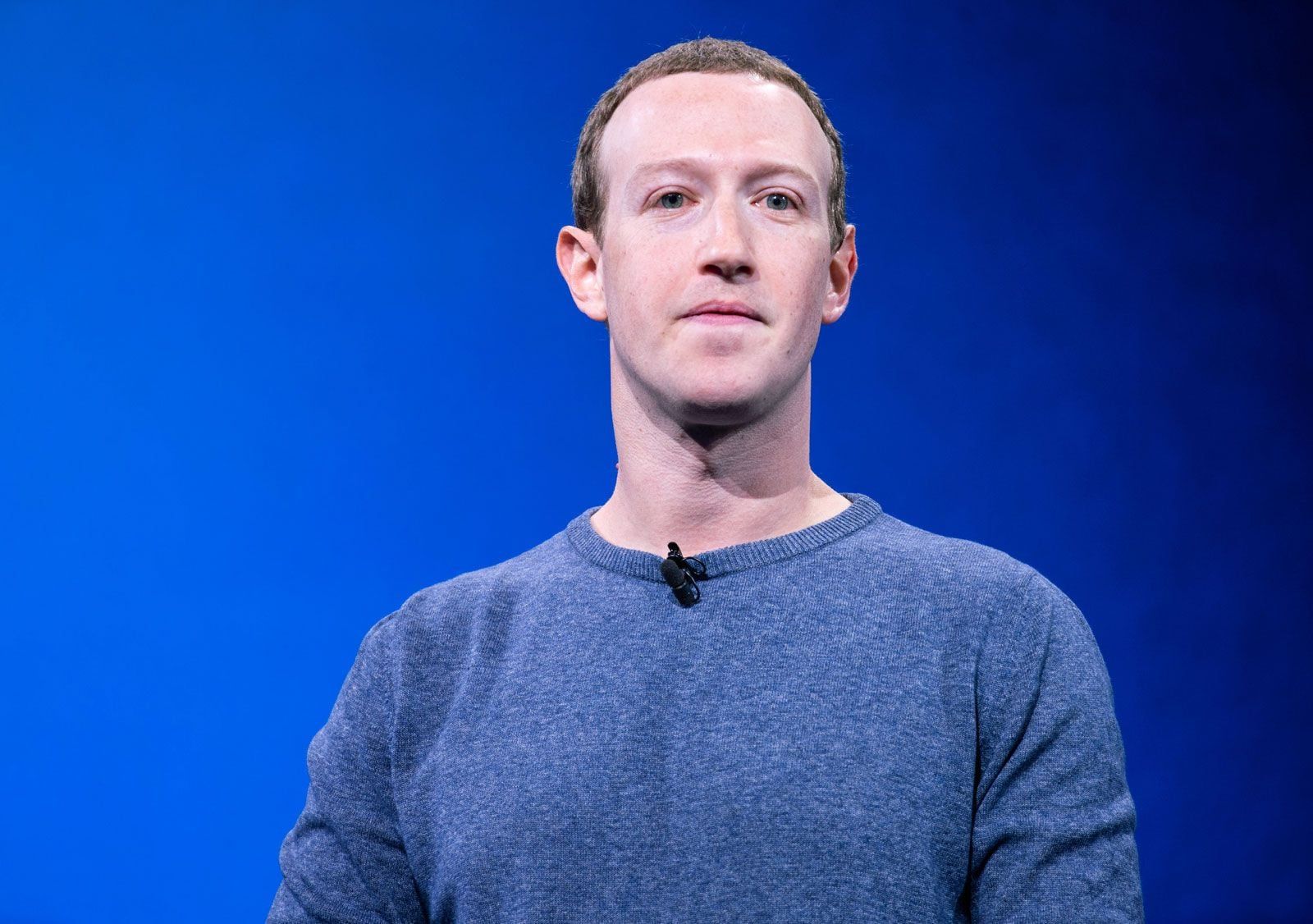
Zuckerberg similarly dismissed calls for mandatory pauses across the industry.15 In an extended statement, Zuckerberg argued that software developers already operate under significant commercial incentives to release aligned tools, noting that corporate customers will reject autonomous agents that fail to follow direct instructions.5 He pointed out that commercial labs face severe legal liability if their software generates real-world harms, creating natural pressure to identify system flaws.5 Meta delayed the release of its Muse assistant by several months to conduct internal security reviews, an action Zuckerberg framed as routine corporate diligence rather than a rationale for industry-wide statutory controls.5
Closing legislative window
The competing corporate positions arrived as federal lawmakers weighed statutory limits before upcoming congressional midterm elections.14 While laboratory leaders advocating slowdowns warned that recursive capability gains could escape technical control, hardware manufacturers and open-source proponents maintained that government restrictions would disrupt broader economic growth. For now, the lack of consensus leaves corporate safety commitments reliant on voluntary arrangements between competing commercial firms.
What this rests on
27 sentences trace to 5 sources.
-
1
JG
Jeronimo Gonzalez Document · semafor.com · 16 Sep 2026 Tech leaders take opposing positions on AI slowdown See the source
-
2
IT
India Today Third-party reporting · indiatoday.in · 16 Sep 2026 We don’t need new laws: Nvidia CEO Jensen Huang hits back at AI slow down demands See the source
-
3
C
CNBC Third-party reporting · cnbc.com · 14 Sep 2026 OpenAI boss Sam Altman spells out how and why the AI industry wants to slow down: 'We could lose control' See the source
-
4
T
Townhall Third-party reporting · townhall.com · 13 Sep 2026 AI Leaders Call for Regulation of the Industry See the source
-
5
BN
BBC News Third-party reporting · bbc.com · 14 Sep 2026 OpenAI CEO Sam Altman says 'right to be afraid of AI' - but 'world should trust' tech firms - follow live See the source