Analyst claims AMD sells military chips in China for $1,000
A social post alleges hardware listing for $36,000 in America reached Chinese crowdfunding campaigns at a steep discount.
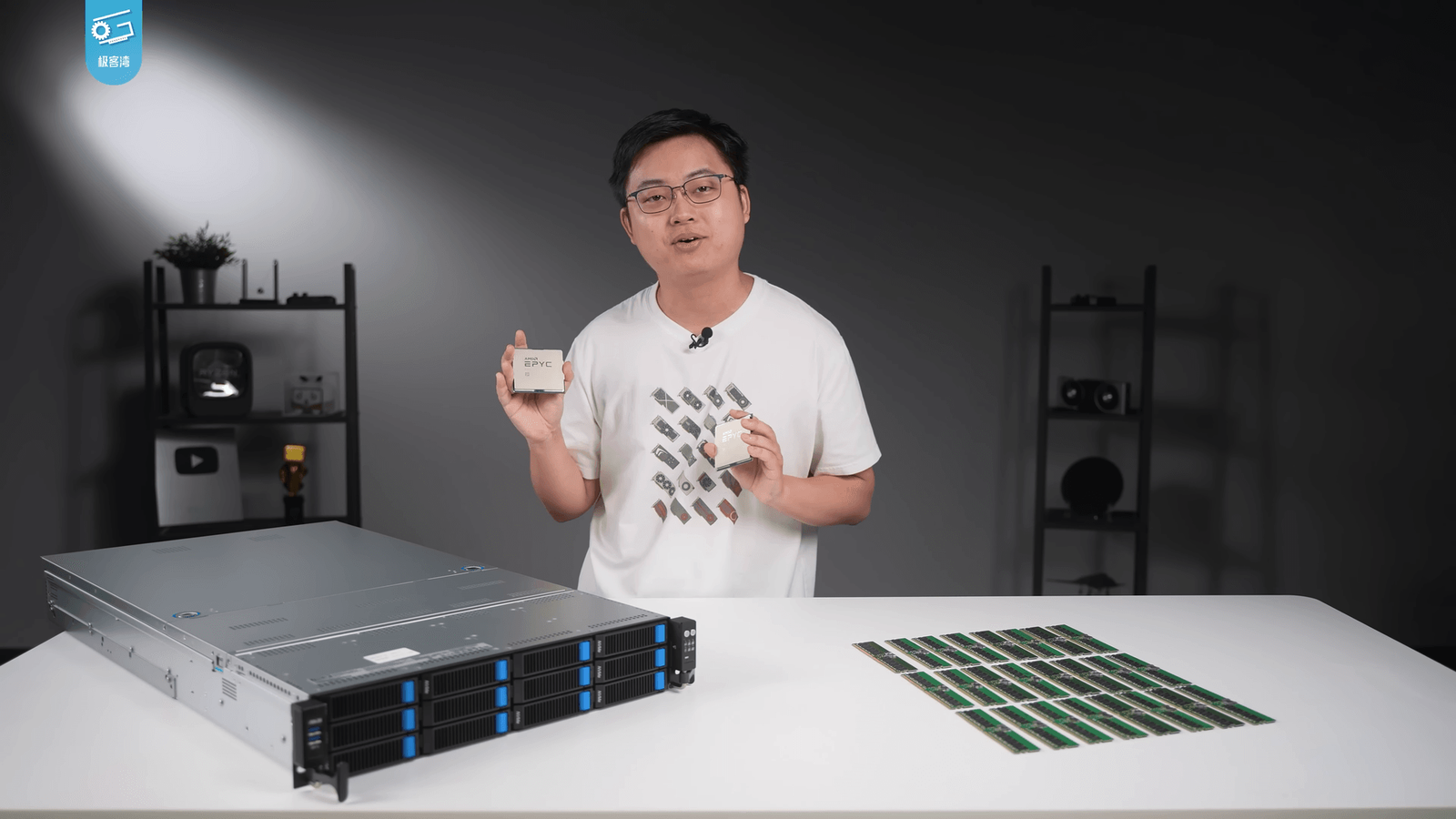
A semiconductor analyst claimed that Advanced Micro Devices components listed at $36,000 in the United States are being offered to Chinese crowdfunding campaigns for about $1,000.1
Dylan Patel, who founded the chip research firm SemiAnalysis, made the assertion on September 19, 2026, in a public post on X.12 Patel asserted that the hardware, which he characterized as American military components, typically sells to domestic corporations for $4,000 to $5,000 at volume.1 He argued that the pricing gap represented an effort to offload parts in an adversarial market for less than domestic buyers pay, calling for official inquiries into the transactions.1
The underlying product specifications and the pricing cited by Patel remain unconfirmed, and neither AMD nor federal trade regulators have validated the transaction records. The claim emerges amid persistent friction surrounding semiconductor commerce between Washington and Beijing, where federal agencies have imposed layered restrictions on high-performance processors.
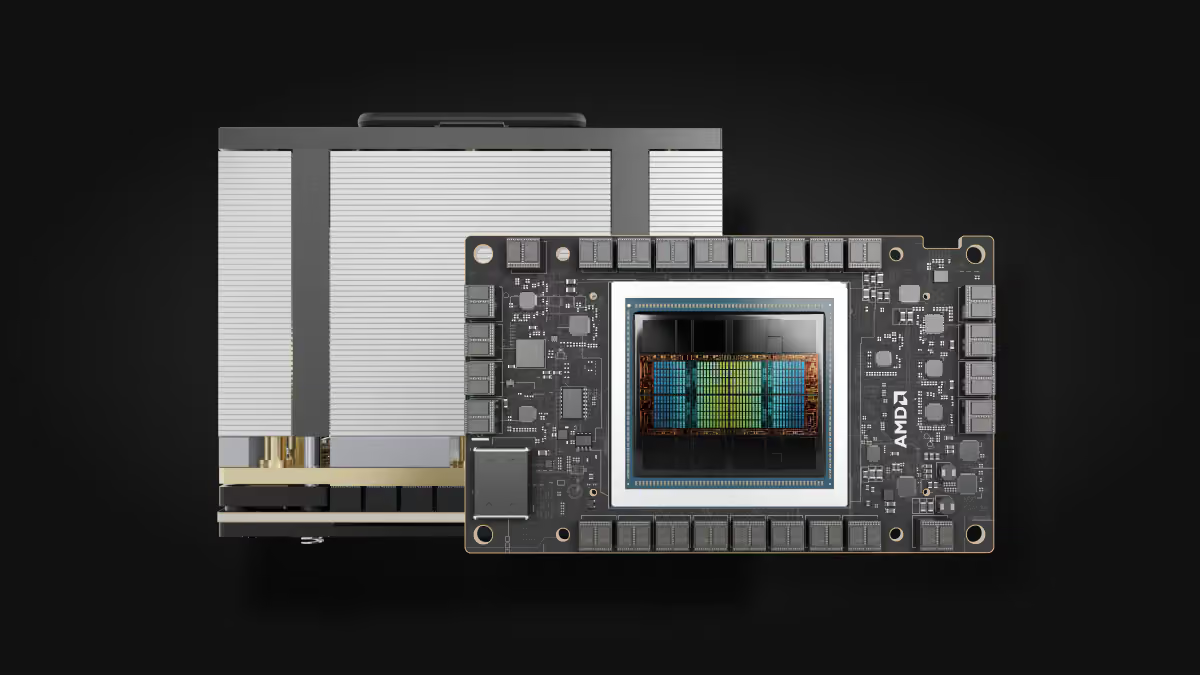
Export scrutiny over advanced computing hardware has expanded across multiple presidential administrations. Federal authorities began tightening export controls on AMD in June 2019, when the Department of Commerce added its Chinese joint-venture affiliates Sugon and Hygon to the Entity List.3 Those restrictions escalated in August 2022, when regulators informed AMD that shipments of Instinct MI250 accelerators to China would require special export licenses.3
Commerce officials later removed architectural workarounds that permitted modified silicon exports. In October 2023, the Bureau of Industry and Security removed the interconnect bandwidth threshold that had previously permitted technology vendors to create China-specific variants of high-end processors.3 That shift derailed several product lines designed specifically for Chinese enterprises.
The friction accelerated during 2025 as chipmakers negotiated conditional access to Chinese buyers. A licensing mandate introduced in April 2025 halted scheduled deliveries of AMD's Instinct MI308 accelerators, prompting the company to warn investors of up to $800 million in associated charges.3 AMD later reported that net charges connected to export restrictions reached approximately $440 million for the year.3
In August 2025, the White House confirmed an arrangement requiring AMD and rival chipmaker Nvidia to remit 15 percent of their China artificial intelligence chip revenues to the federal government in exchange for export licenses.43 The decision drew immediate scrutiny from lawmakers. Six United States senators, including Mark Warner and Charles Schumer, sent a joint letter to the White House on August 15, 2025, urging the administration to rescind the fee arrangement on national security grounds.3

Corporate securities filings from AMD later described the 15 percent payment as an informal expectation expressed by government officials rather than a codified regulation.3 The company warned that compliance with the unwritten standard could expose it to legal challenges.3 Although AMD booked roughly $390 million from licensed MI308 deliveries in the fourth quarter of 2025, executives cautioned that future revenue from China remained volatile.3
Federal regulators opened another narrow channel in January 2026, when the Bureau of Industry and Security moved license reviews for AMD's MI325X and Nvidia's H200 to a case-by-case standard.3 The agency required exporters to demonstrate domestic supply availability, mandate buyer screening, and submit components to domestic security inspections.3 In corporate disclosures covering the second quarter of 2026, AMD stated that it had obtained export licenses for select Chinese customers subject to mandatory United States inspections and a 25 percent tariff, but noted that Chinese authorities had not yet cleared the imports.3
Sourcing records compiled by independent researchers indicate that Chinese defense entities have long acquired commercial American silicon through civilian supply chains. A 2022 study by Georgetown University's Center for Security and Emerging Technology examined more than 20,000 procurement contracts from the People's Liberation Army. The study identified 11 purchases of advanced chips from AMD, Intel, and Nvidia, noting that the military procured the parts through domestic intermediaries that were not subject to Commerce Department trade sanctions.5
Chinese domestic marketplaces also display widespread listings for foreign processors. On wholesale trading platforms such as Made-in-China.com, local trading houses offer AMD Epyc server processors, desktop chips, and server motherboards across multiple price tiers, illustrating the challenge federal enforcement officers face in tracking commercial hardware once it leaves official distribution channels.
What this rests on
17 sentences trace to 5 sources.
-
1
H
https://x.com/dylan522p Document · x.com · 19 Sep 2026 Post Claims AMD Military Chips Are Quoted at $1,000 in China See the source
-
2
G
gigazine.net Third-party reporting · gigazine.net The open-source benchmark See the source
-
3
WL
What Led To Third-party reporting · whatledto.com · 6 Sep 2026 US Export Controls on AMD See the source
-
4
DN
Deseret News Third-party reporting · deseret.com · 11 Aug 2025 Trump unveils unprecedented trade deal opening microchip sales to China See the source
-
5
W
wccftech.com Third-party reporting · wccftech.com · 7 Jul 2022 AMD, NVIDIA & Intel's Advanced Chips Easily Available To Chinese Army Warns Report See the source