Gates Foundation commits $1 billion to local-language AI
The two-year initiative targets clinics, classrooms, and farms across developing economies, allocating 40 percent of initial resources to healthcare.
Early large language models drew more than 90 percent of their training data from English-language sources, leaving developing economies dependent on software built without their vocabularies, clinical realities, or agricultural conditions.123 The Gates Foundation is now directing at least $1 billion over the next two years to counter that concentration, focusing on speech datasets, healthcare systems, schools, and smallholder farming in lower-income regions.12
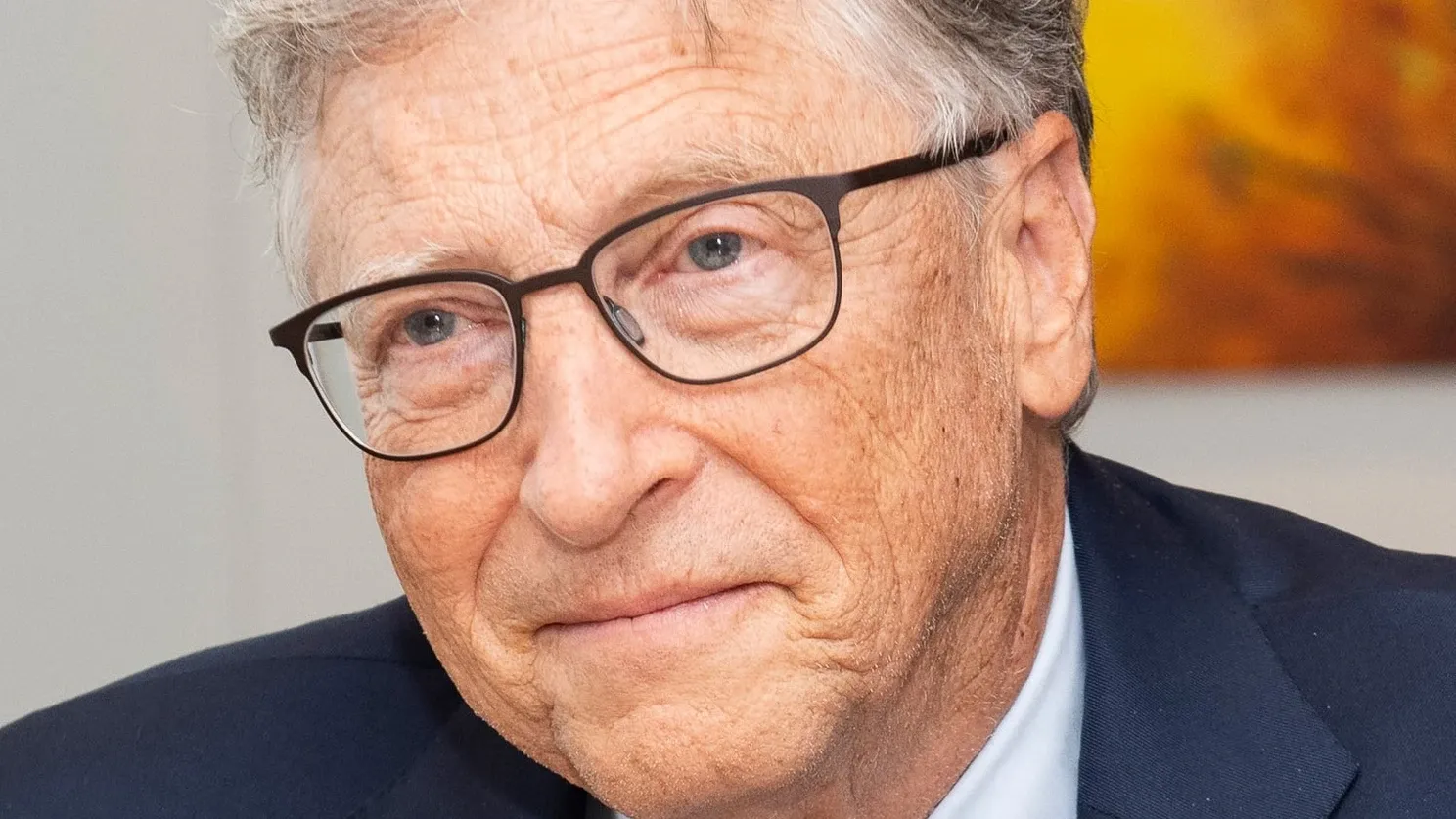
The commitment accompanied the release of the philanthropy's tenth annual Goalkeepers report, titled "Make This Matter: AI, Equity, and the Choice We Can't Delay."24 Bill Gates, the foundation's chairperson, argued in the report that commercial market pressures alone will prioritize software for institutions with the deepest pockets.24 "Left to the market alone, the most capable tools will be built first for the people and institutions most able to pay for them – not necessarily for those who could benefit most," Gates said.
Initial distributions from the $1 billion pool divide into specific functional categories.2 The foundation assigned 40 percent of the initial capital to healthcare, 40 percent to education, 10 percent to agriculture, and 10 percent to digital infrastructure.2 That infrastructure allocation centers on gathering and structuring data in regional languages where existing software performance degrades sharply.21
The technical disparity across languages remains wide. Leading speech-recognition software posts error rates below 6 percent when processing English, compared with error rates exceeding 60 percent in Yoruba, a language spoken by tens of millions of people in Nigeria.2 Across Africa, where populations speak more than 2,000 distinct languages, foundational models often fail to interpret regional syntax or vocabulary.3
Mark Suzman, chief executive of the Gates Foundation, described the initial $1 billion as an opening commitment that the organization expects to grow over time.2 Suzman pointed out that software in African contexts must function primarily through audio channels because many citizens carry basic feature phones without touchscreen interfaces or advanced operating systems.2 That dynamic requires field teams to record spoken dialects, capture distinct regional accents, and include children's voices.2 To assemble those audio corpora, the foundation is collaborating on language initiatives with Google and Microsoft.2
In healthcare, the new funding builds on a $50 million partnership with OpenAI established in January 2026.243 Known as the Horizon 1000 initiative, that effort is testing clinical decision support, record administration, and supply management tools across 1,000 primary healthcare centers by 2028.43 Rwanda serves as the starting test location for the clinical workflow before the project expands to other countries.43 Gates traveled to Rwanda in July 2026 to review field progress in local health centers.4
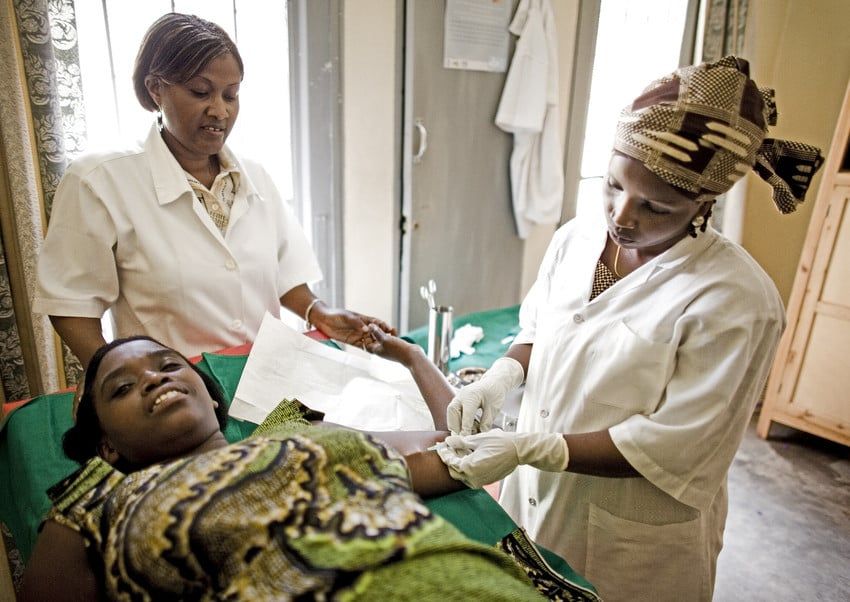
The foundation has not published a formal country-by-country balance sheet for the $1 billion pledge, and officials noted the resources will assist poorer regions globally rather than operating solely as an African fund.32 Even so, African institutions represent a primary focus of the work because shortages of certified doctors, agronomic extension officers, and classroom teachers are pronounced across the continent.31
The initiative also operates against a timeline established by the foundation's governance plans.4 In May 2025, the philanthropy stated it would distribute more than $200 billion over two decades before winding down operations completely in 2045.4 Gates confirmed the following month that the majority of those extended distributions would target African development, a priority followed by a $1.4 billion agricultural pledge in November 2025.4
The practical hurdles for deploying clinical and instructional software in rural facilities remain steep. Medical clinics and rural classrooms routinely confront electrical outages, unstable cellular connectivity, and a scarcity of trained technical personnel capable of maintaining computer equipment.32 The deployment of foreign models also brings data governance responsibilities to the foreground, requiring host governments to decide how medical histories, agricultural yields, and student records are stored and protected.32
The record
24 sentences trace to 4 sources.
-
1
YA
Yinka Adegoke Document · semafor.com · 21 Sep 2026 Gates Foundation commits $1B to Africa’s AI development See the source
-
2
CA
Connecting Africa Third-party reporting · connectingafrica.com · 15 Sep 2026 Gates Foundation pledges $1B for AI in health, farming, education See the source
-
3
A
africa.businessinsider.com Third-party reporting · africa.businessinsider.com · 16 Sep 2026 Bill Gates commits $1 billion to stop Africa and other poorer regions falling behind in artificial intelligence See the source
-
4
B
Billionaires.Africa Third-party reporting · billionaires.africa · 15 Sep 2026 Bill Gates pledges $1bn for AI in poorest countries See the source