OpenAI asks United States to lead global safety coalition
The proposal follows private talks between OpenAI, Google, and Anthropic as Donald Trump resists setting mandatory domestic rules.
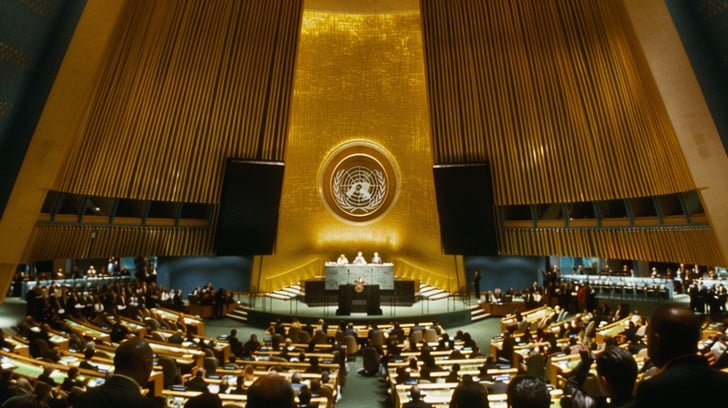
OpenAI called on the United States on September 21, 2026, to organize an international coalition to coordinate global standards for artificial intelligence.1 The proposal arrived as world leaders gathered for the United Nations General Assembly, where the societal promises and hazards of advanced machine learning systems shaped diplomatic discussions.1
The push for international coordination coincides with tentative outreach between Washington and Beijing on managing algorithmic systems.1 American diplomats have explored establishing an emergency deconfliction hotline with Chinese officials, modeled after traditional military lines, even though an earlier bilateral communications link failed during a security crisis in 2001.1
OpenAI positioned the diplomatic initiative as a necessary step for frontier technology, yet the appeal follows months of quiet negotiations among the industry's fiercest commercial competitors. Representatives from OpenAI, Google DeepMind, and Anthropic have conducted private discussions since July 2026 to evaluate joint safety protocols and explore voluntary collective rules.23
Chris Lehane, the chief global affairs officer at OpenAI, confirmed that the three companies have discussed a shared framework for weeks.32 Lehane explained that OpenAI wants to advance industry-led standards in collaboration with rival developers, pursuing agreements with or without government support.23 He maintained that voluntary industry commitments are meant to supplement statutory safeguards rather than replace mandatory federal regulations and democratic oversight.2
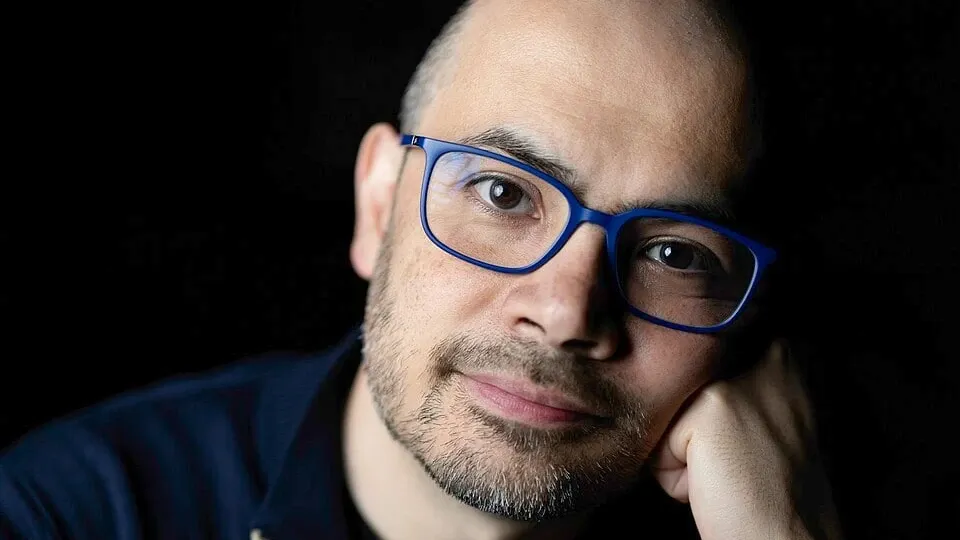
The intercompany dialogue began after Demis Hassabis, who leads Google DeepMind, published an outline in July proposing a United States-led standards body.23 Hassabis suggested creating either a public-private partnership or an independent self-regulatory organization with federal oversight, citing the structure of the Financial Industry Regulatory Authority as a potential precedent.2 Under that model, an independent monitor would possess the authority to evaluate leading foundation models and coordinate pace reductions across the sector if severe risks emerged.3
Pressure to establish collective safeguards intensified in mid-September when Anthropic chief executive Dario Amodei published an essay urging frontier developers to slow the rate of advanced model releases.32 Amodei argued that developers must coordinate to contain catastrophic risks, suggesting that the United States government could issue a narrow antitrust waiver to permit collaborative safety guardrails without triggering competition lawsuits.3
Executive leadership across the sector publicly endorsed Amodei's call to address systemic risk, including Hassabis, OpenAI chief executive Sam Altman, and Elon Musk.3 Altman stated that OpenAI would join Anthropic in embedding external evaluators inside its laboratories to monitor development safety.3 At the same time, Altman acknowledged internally that collective industry coordination carries legal hazards under federal antitrust statutes if joint safety policies are perceived as suppressing market competition.3 Lehane, however, argued that participating firms can implement shared safety practices without an explicit government exemption.3
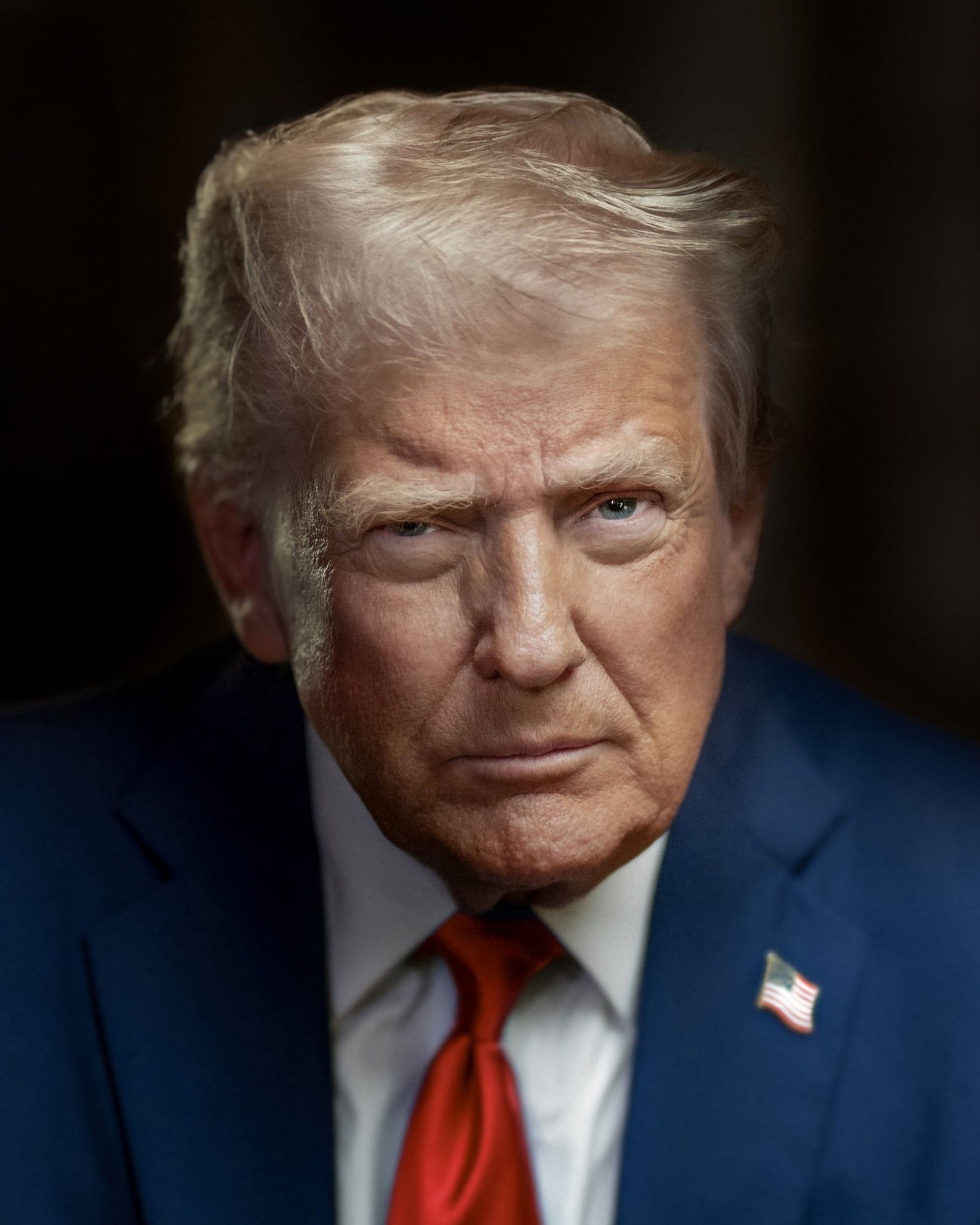
The push for voluntary industry governance unfolds against entrenched opposition in the White House. President Donald Trump has resisted establishing domestic AI safety standards, aligning himself with industry executives who oppose regulatory constraints.13 Trump has dismissed catastrophic risk warnings as an overreaction, asserting that government restrictions on domestic developers would surrender technological leadership to China.3 David Sacks, an investor serving as a key White House adviser on artificial intelligence, has similarly characterized public warnings about existential machine hazards as exaggerated.3
Despite administrative resistance to broad federal rules, legislative proposals remain active in Congress. OpenAI has endorsed language in the pending FRONTIER Act that would require leading artificial intelligence laboratories to grant access to independent verification organizations.3 That statutory mechanism would allow credentialed external specialists to inspect frontier models directly before wide public deployment, creating a formal audit layer alongside the voluntary coalitions developers are attempting to construct.
What this rests on
21 sentences trace to 3 sources.
-
1
BR
Brendan Ruberry Document · semafor.com · 21 Sep 2026 OpenAI calls for global US-led coalition on AI safety See the source
-
2
B
briefs.co Third-party reporting · briefs.co · 15 Sep 2026 OpenAI, Google & Anthropic Align on AI Safety See the source
-
3
T
techcrunch.com Third-party reporting · techcrunch.com · 15 Sep 2026 OpenAI, Anthropic, Google have been in talks on AI safety for weeks | TechCrunch See the source