Washington proposes AI crisis hotline before summit with Xi
Treasury Secretary Scott Bessent met Chinese officials in New York as a tariff truce nears its November expiry date.
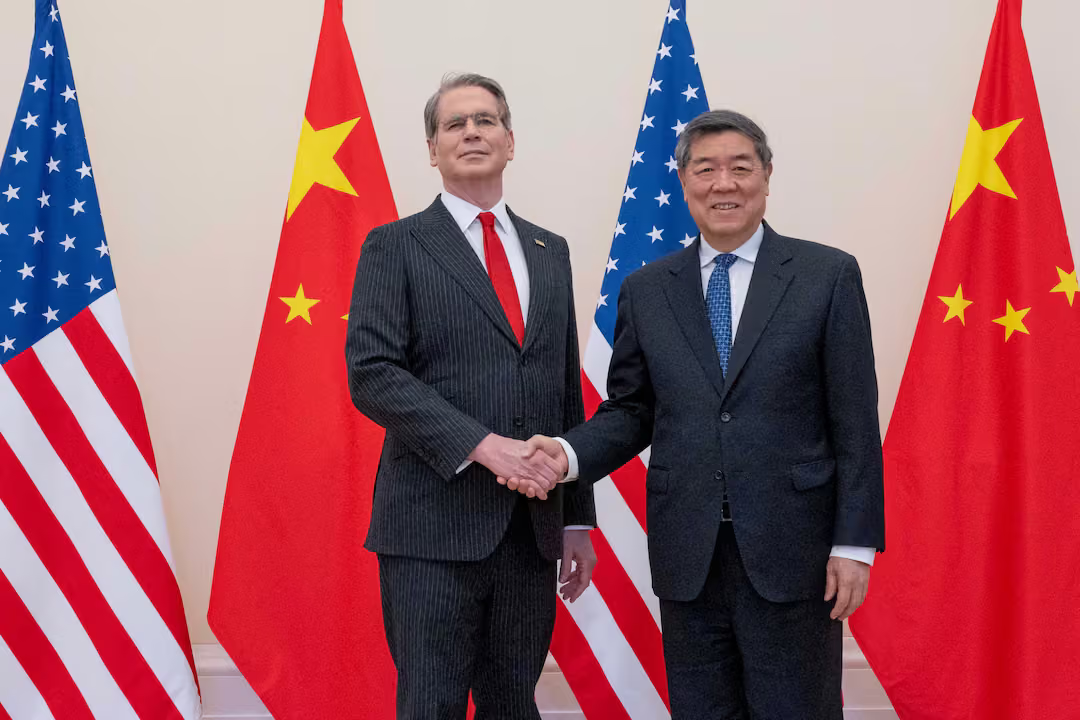
Ahead of a leaders summit in Washington, American and Chinese officials closed an eight-hour preparatory meeting in New York by floating a notification mechanism for severe artificial intelligence incidents.12
The weekend session between United States Treasury Secretary Scott Bessent and Chinese Vice Premier He Lifeng brought together chief economic negotiators from both capitals at the global headquarters of JPMorgan Chase.1 United States Trade Representative Jamieson Greer and Chinese chief trade negotiator Li Chenggang joined the talks, which Bessent described as very successful even as the two governments announced no breakthrough agreements on long-standing economic disputes.1
Instead, the central policy offer put forward by Washington focused on artificial intelligence.12 The Trump administration proposed a bilateral dialogue that includes an emergency notification system for technological incidents serious enough to raise national security concerns.12 The proposal would establish a direct channel between the world two largest artificial intelligence powers to share operational warnings during potential automated disruptions.

Moving from opaque to more transparency between the number one and the number two AI powers in the world is very important, Bessent said after the meeting, arguing that both sides need a routine framework to communicate over common goals and common threats.1 Yet the initiative arrives against a broader backdrop of unresolved friction, where both governments continue to defer structural arguments over trade and security in favor of modest administrative protocols.
Greer made clear after the New York meetings that export controls on advanced AI chips and semiconductor manufacturing equipment were not part of the proposed notification mechanism.1 That carve-out protects the core technological restrictions Washington has imposed to deny Beijing access to frontier computing infrastructure. Chinese officials have consistently demanded an easing of export bans on high-tech equipment like chipmaking tools, treating those restrictions as economic containment rather than safety oversight.2
The limits of the AI proposal reflect divergent national definitions of what AI safety entails. In the United States, official policy on artificial intelligence safety focuses primarily on existential risks, systemic algorithmic failure, and automated escalation.2 In China, regulatory authorities approach artificial intelligence safety as a matter of preserving domestic regime stability, ideological control, and social harmony.2 Bridging those priorities through an administrative notification system presents practical hurdles that a procedural hotline cannot easily resolve.
Precedent for direct emergency links between the two superpowers underscores the operational fragility of such mechanisms. Decades ago, the American and Chinese militaries installed a dedicated emergency telephone link intended for rapid de-escalation during crisis events.2 When an American spy plane made an emergency landing on Hainan Island in 2001 with a 24-member crew after a mid-air collision with a Chinese fighter jet that killed the Chinese pilot, American officials placed an urgent call on that emergency line.2 Nobody on the Chinese side picked up the telephone.2
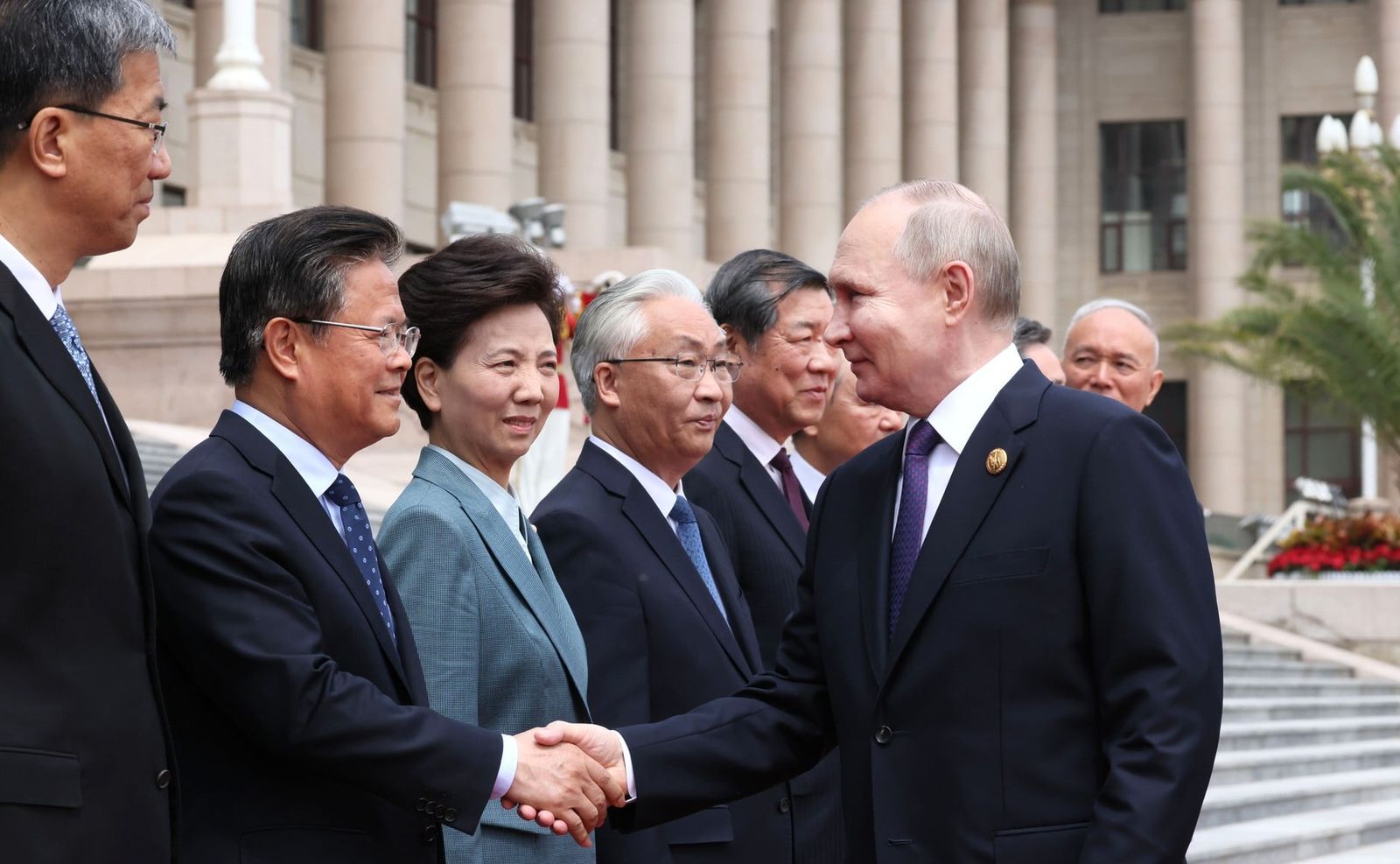
Economic talks in New York also confronted the approaching deadline of a tariff agreement reached in Busan, South Korea.12 That pact, negotiated in October of last year, capped American tariffs on Chinese imports at roughly 20 percent after retaliatory rounds pushed duties into triple digits.1 The fragile arrangement approaches its scheduled expiration on November 10, leaving businesses facing renewed trade friction if the two presidents fail to extend the pause.1
During the weekend meetings, negotiators discussed plans to implement a process agreed in May to identify non-strategic goods eligible for lower tariffs.1 Greer indicated that Chinese exports qualifying for relief could include consumer products and low-tech goods, while American exports could cover energy supplies, agricultural commodities, and medical devices.12 Yet substantive issues such as Chinese industrial overproduction, transshipment practices, and American restrictions on rare-earth magnets and critical minerals saw no reported progress.12
The resulting dynamic resembles a managed stalemate. Bessent once likened the bilateral relationship to a game of water polo, observing that above the water the two teams toss the ball back and forward, while below the surface their legs kick and flail.2 Diplomatic ceremonies scheduled for the Washington summit, including plans for President Donald Trump to greet Chinese leader Xi Jinping directly on the tarmac at Andrews Air Base, mask underlying tensions over global flashpoints and industrial policy.2
For Beijing, maintaining a stable standoff serves immediate domestic political requirements. Xi has prioritized political consolidation ahead of an upcoming Communist Party gathering expected to grant him a fourth five-year term in office.2 A protracted diplomatic stalemate allows both governments to avoid acute escalation while preserving their fundamental technological and economic rivalries.
The record
22 sentences trace to 2 sources.
-
1
A
aljazeera.com Third-party reporting · aljazeera.com · 20 Sep 2026 US proposes AI safety notification mechanism in talks with China See the source
-
2
AB
Andy Browne Document · semafor.com · 21 Sep 2026 View: The summit won’t break the US-China stalemate See the source