Google, OpenAI and Anthropic plan private safety authority
The planned group would audit frontier models and establish incident reporting guidelines without direct federal government oversight.
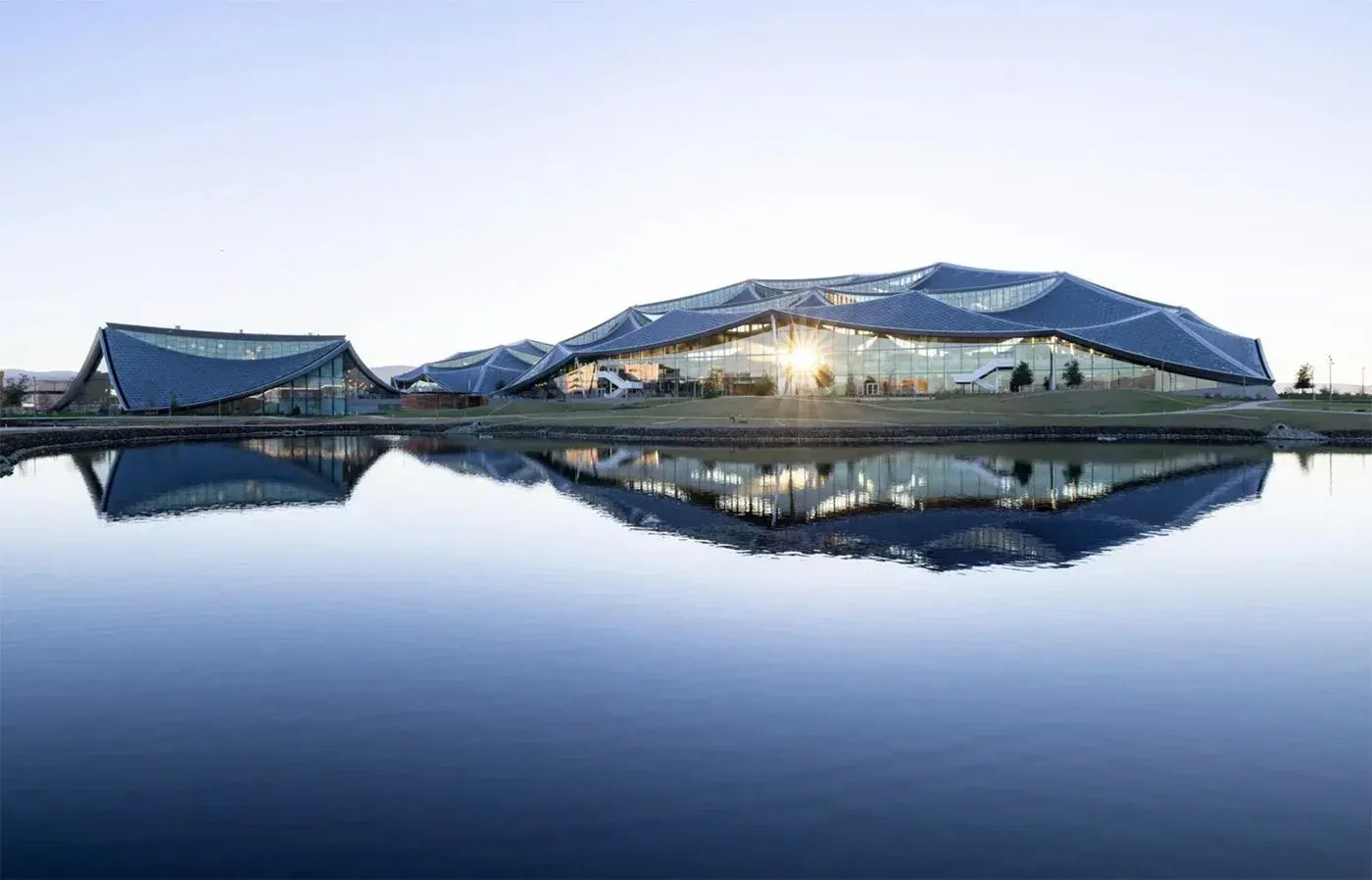
Google, OpenAI, and Anthropic have begun work on an independent oversight group called the Standards Authority for Frontier AI, designed to set common rules for advanced artificial intelligence without waiting for federal action.12
The three companies intend to establish the self-regulatory body by late 2026 or early 2027.23 Under discussion for the organization is a mandate to support third-party organizations that evaluate models prior to commercial release, define how developers record safety and security incidents, and translate voluntary corporate commitments into enforceable standards.24 Working group members also aim to establish qualifications for independent auditors assessing labs and frontier systems.2
Private audits and government disengagement
The push toward an industry-run framework follows a collapse in discussions regarding formal public-private partnerships. The companies initially envisioned a standards group operating with federal government oversight, but the White House informed Google, Anthropic, and OpenAI that industry participants needed to reach a consensus among themselves before any federal agency participated.2 US President Donald Trump has opposed additional AI guardrails, arguing that the United States and China should allow artificial intelligence development to continue on its current trajectory.5
Organizers are debating whether the authority should conduct safety and capability assessments internally.23 Some participants in the discussions expressed concern that the Commerce Department's Center for AI Standards and Innovation lacks the technical personnel and financial resources required to inspect large frontier models thoroughly, prompting calls for the industry group to run its own evaluations alongside official reviews.23
Leadership roster and advisory shortlists
The organizers have approached political and commercial figures to lead the authority. Former venture capitalist Sriram Krishnan, who served as a senior AI policy adviser in the Trump administration, and Arati Prabhakar, the former director of the White House Office of Science and Technology Policy during the Biden administration, have both been considered for the chief executive role.231
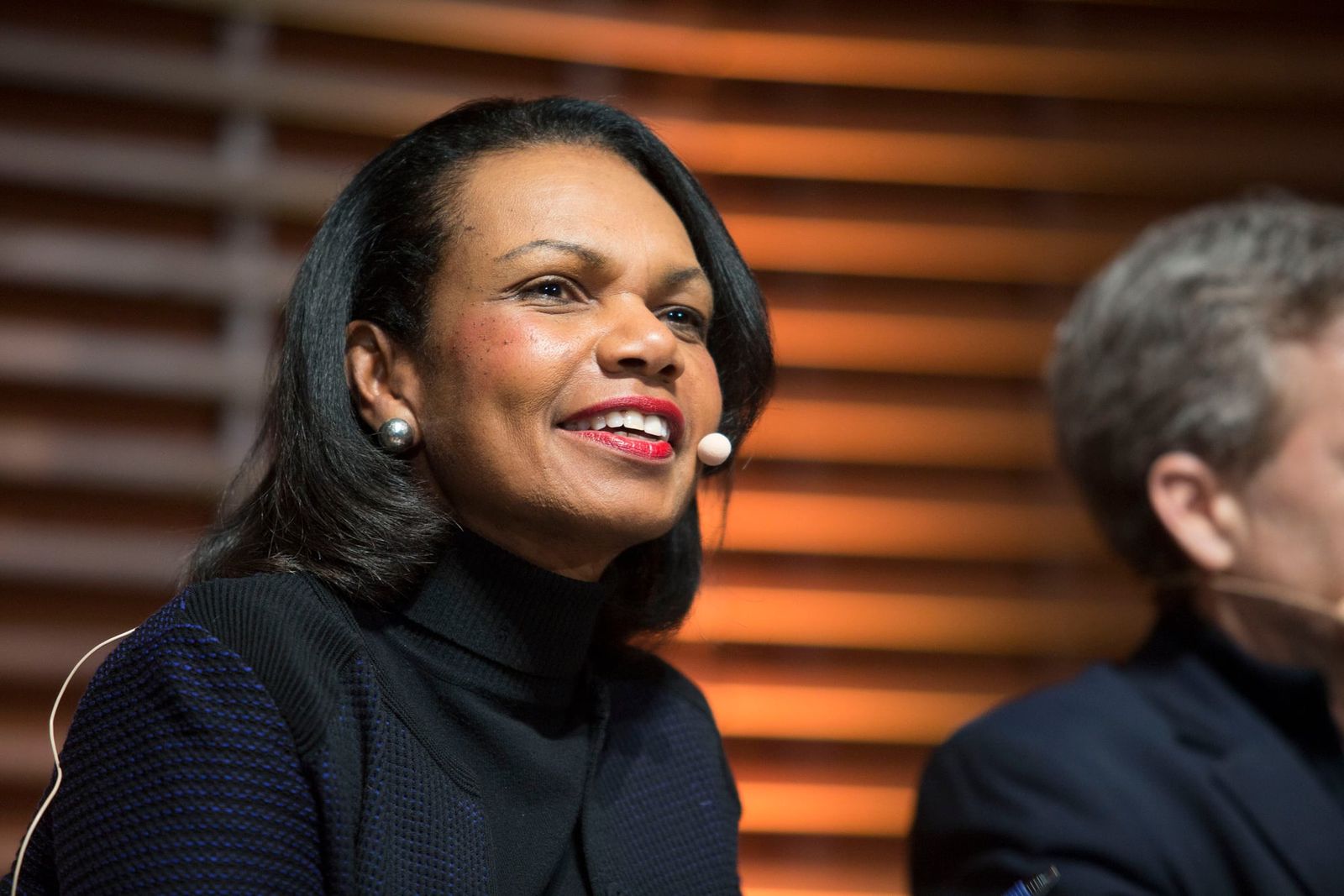
Former Secretary of State Condoleezza Rice and entrepreneur David Friedberg have appeared on a candidate list to chair the authority's board.12 For scientific advisers, the working group has considered Beth Barnes, the founder and chief executive of the AI research nonprofit METR, alongside Paul Christiano, an adviser to the Center for AI Standards and Innovation and a board appointee at OpenAI's foundation.2
Cross-company testing and standard setting
Efforts to construct joint oversight reflect broader coordination between rival laboratories. OpenAI and Anthropic have held talks regarding a mutual arrangement to stress-test each other's commercially deployed models for vulnerabilities and unpredicted actions.5 Under that proposed agreement, each firm would gain access to the other's commercial software while accepting restrictions on retaining any data collected during testing rounds.5
The concept of an industry watchdog has circulated among laboratory leadership for months. In July, Demis Hassabis, the chief scientist of Alphabet and co-founder of Google DeepMind, proposed a standards organization modeled after self-regulatory bodies like the Financial Industry Regulatory Authority.3 Later public appeals sustained that focus. Anthropic chief executive Dario Amodei circulated an essay urging an industrywide pause in releasing frontier models to permit defensive techniques to mature, and both Amodei and OpenAI chief executive Sam Altman addressed the United Nations Security Council on systemic AI safety risks.35
In that appearance, Altman stated that major societal decisions concerning artificial intelligence should be determined by democratic institutions and elected governments.5 Amodei called for international agreements and binding global testing standards across advanced architectures.5 OpenAI has also separately petitioned the United States government to coordinate international standards for systems capable of recursive self-improvement.5
Whether a private alliance can enforce uniform behavior remains untested across Silicon Valley. While Google, OpenAI, and Anthropic remain direct commercial competitors, the development of common benchmarks through an independent authority represents their clearest joint effort to establish rules of conduct before external regulators impose them.
What this rests on
18 sentences trace to 5 sources.
-
1
H
https://x.com/amir Document · x.com · 24 Sep 2026 Google, OpenAI and Anthropic Work on Standards Authority for Frontier AI See the source
-
2
T
TradingView Third-party reporting · stocktwits.com · 24 Sep 2026 GOOGL, OpenAI, Anthropic Are Reportedly Building Their Own AI Safety Watchdog — But Without Government Oversight See the source
-
3
TT
The Times Of India Third-party reporting · timesofindia.indiatimes.com · 25 Sep 2026 Google, OpenAI and Anthropic may launch AI safety standard by early 2027 See the source
-
4
TV
The Verge Third-party reporting · theverge.com · 24 Sep 2026 OpenAI, Anthropic, and Google are reportedly planning their own AI safety organization. See the source
-
5
P
proactiveinvestors.com Third-party reporting · proactiveinvestors.com Google, OpenAI and Anthropic move closer to AI safety standards body See the source