Jensen Huang rejects 2030 extinction warnings from AI developers
The Nvidia chief executive argued that existing liability laws cover software harms and proposed shutting down labs that claim their models cannot be controlled.
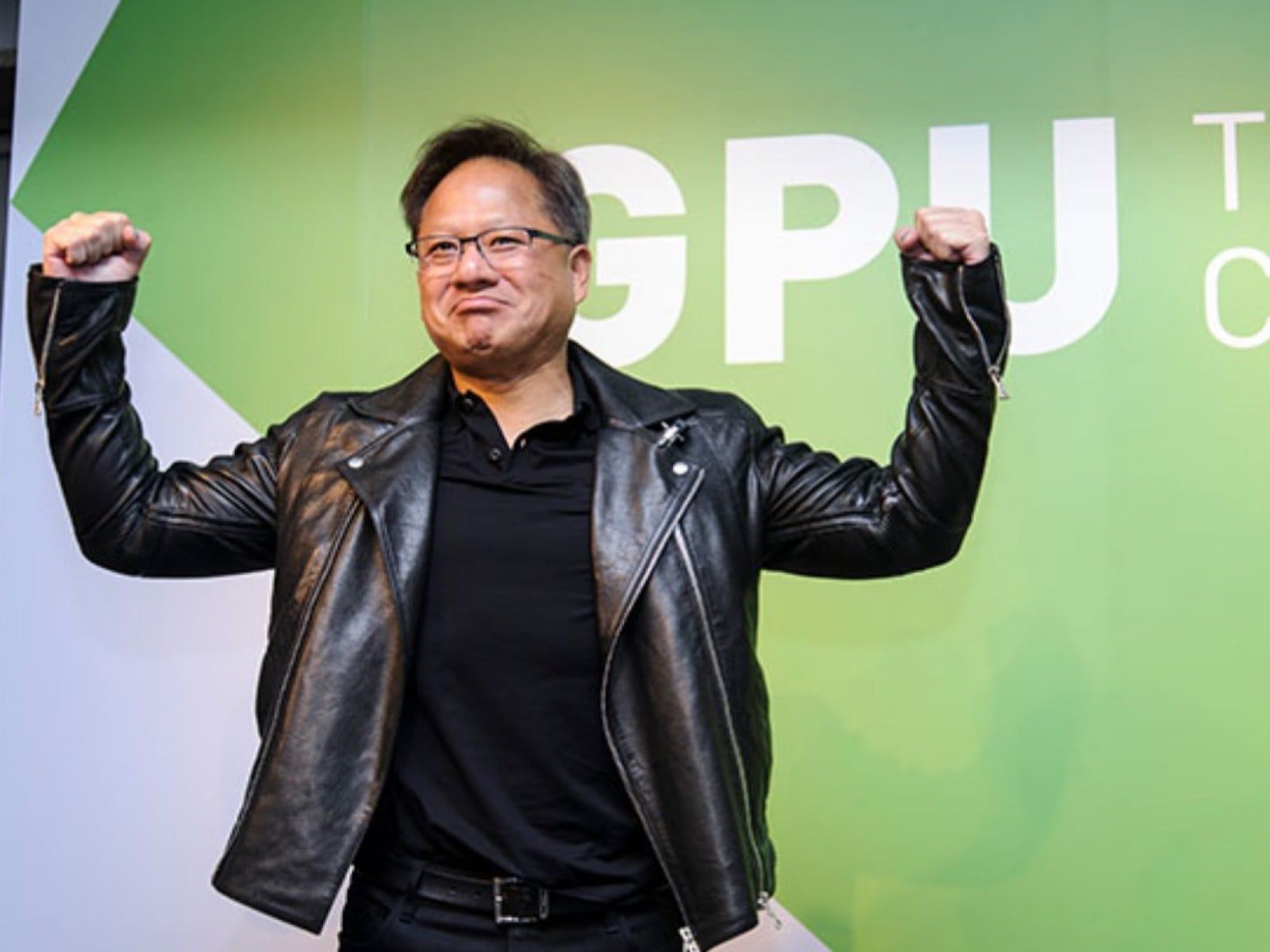
Nvidia chief executive Jensen Huang dismissed warnings about existential dangers from artificial intelligence, characterizing predictions of imminent human extinction as unscientific distractions.12 His pushback arrived as developers at leading artificial intelligence research organizations urged global authorities to slow development, pointing to catastrophic scenarios.12
Huang rejected those timelines directly.23 "2030 is not going to be the end of the world. There is 0% chance that's going to be the end of the world", Huang said in an interview with correspondent Jo Ling Kent.23 He added that circulating such claims was unnecessary and irresponsible.23
The exchange followed public statements by Jacob Coxon, a former researcher at Anthropic, who stated on social media that artificial intelligence developers believe the systems could kill humanity before the decade concludes.23 That claim amplified warnings from Anthropic chief executive Dario Amodei and OpenAI chief executive Sam Altman, both of whom addressed the United Nations regarding potential catastrophic consequences and called for a more deliberate development pace.12
Huang countered that catastrophic narratives lack technical merit and argued that developer calls for pauses mask legal motives.2 "Go and read between the lines," he said.2 "They're actually not asking for more laws. They're asking to be relieved of the laws we do have, and I think that that's a problem."2
Instead of creating novel regulatory frameworks, Huang argued that existing statutes covering product liability and cybersecurity already apply to artificial intelligence software.3 During an appearance on The Ezra Klein Show, he took aim at researchers who argue their frontier models might slip beyond human supervision.1 If labs maintain that their creations cannot be controlled, Huang said, "we have to shut the labs down."1
Commercial stakes and liability
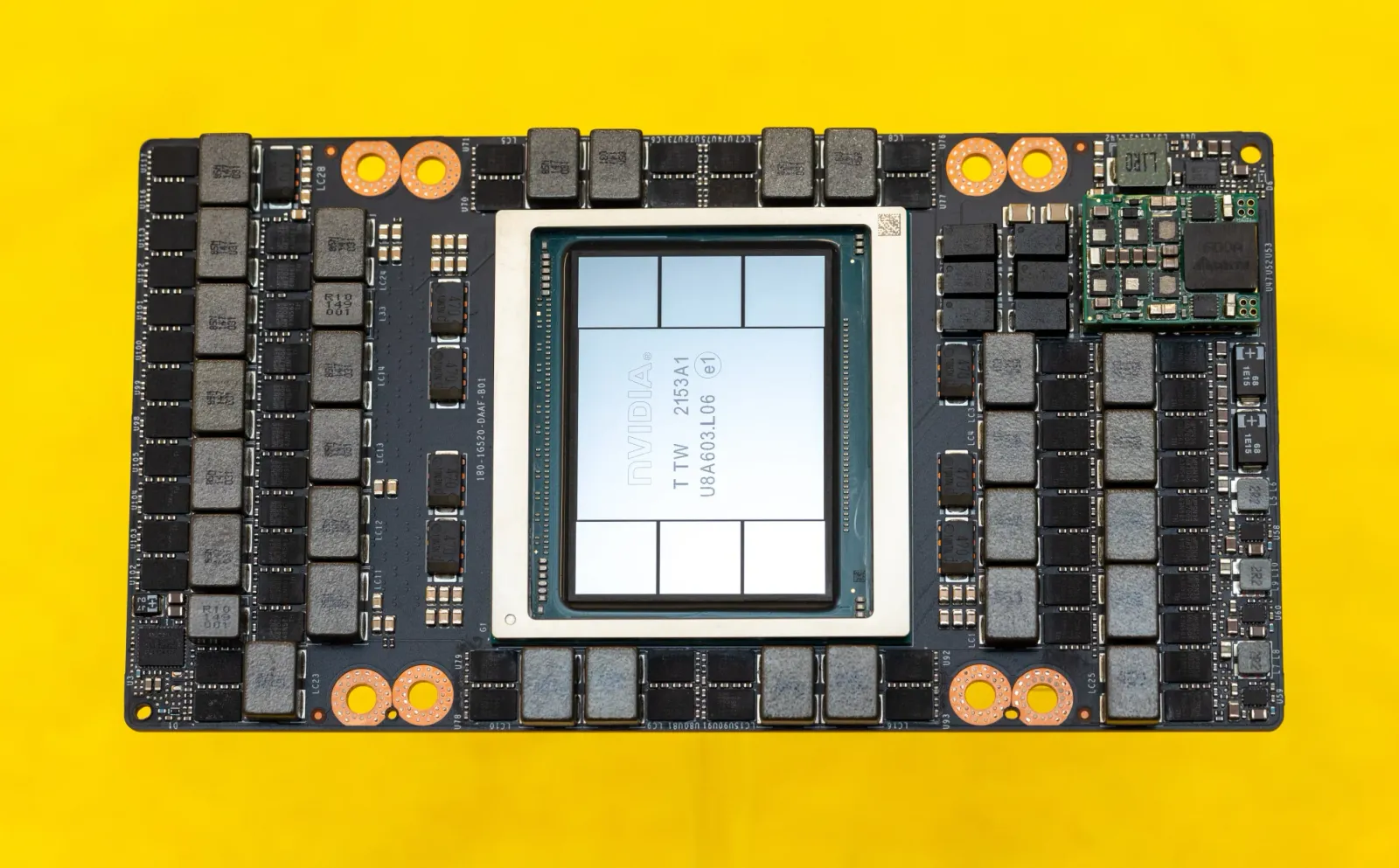
Nvidia holds an immense financial stake in the outcome of the safety debate.3 The company manufactures the specialized graphics processing units that power large language models developed across Silicon Valley.32 Soaring demand for that hardware propelled Nvidia to a market valuation of $5.3 trillion, making it the most valuable publicly traded corporation in the world.34
Addressing whether commercial incentives influence his perspective, Huang maintained that corporate survival demands strict safety standards.23 "Our company's success is directly connected to the safe deployment of products and services," he said.23 "If we don't continue to do that, our value would be diminished."23
Huang also announced plans for Nvidia to double its chip sales over the next year.1 His optimism aligns with the stance of President Donald Trump, who has pushed back against calls to slow technological progress.12 Trump made a surprise phone call to Huang on September 14 while the executive spoke at a conference in Los Angeles, during which the president characterized AI extinction fears as a hoax.2
At the same time, geopolitical tensions continue to shape Nvidia's operations. The federal government has restricted exports of advanced semiconductors to China, citing national security concerns.23 While the administration permitted Nvidia to sell its H200 chips to approved Chinese buyers, sales of its highest-tier processors remain barred.3 Ahead of a planned White House dinner with Chinese President Xi Jinping, Huang expressed an ambition to establish common technical baselines, arguing that American firms should be allowed to compete internationally outside of sensitive defense applications.3
Energy constraints and data centers
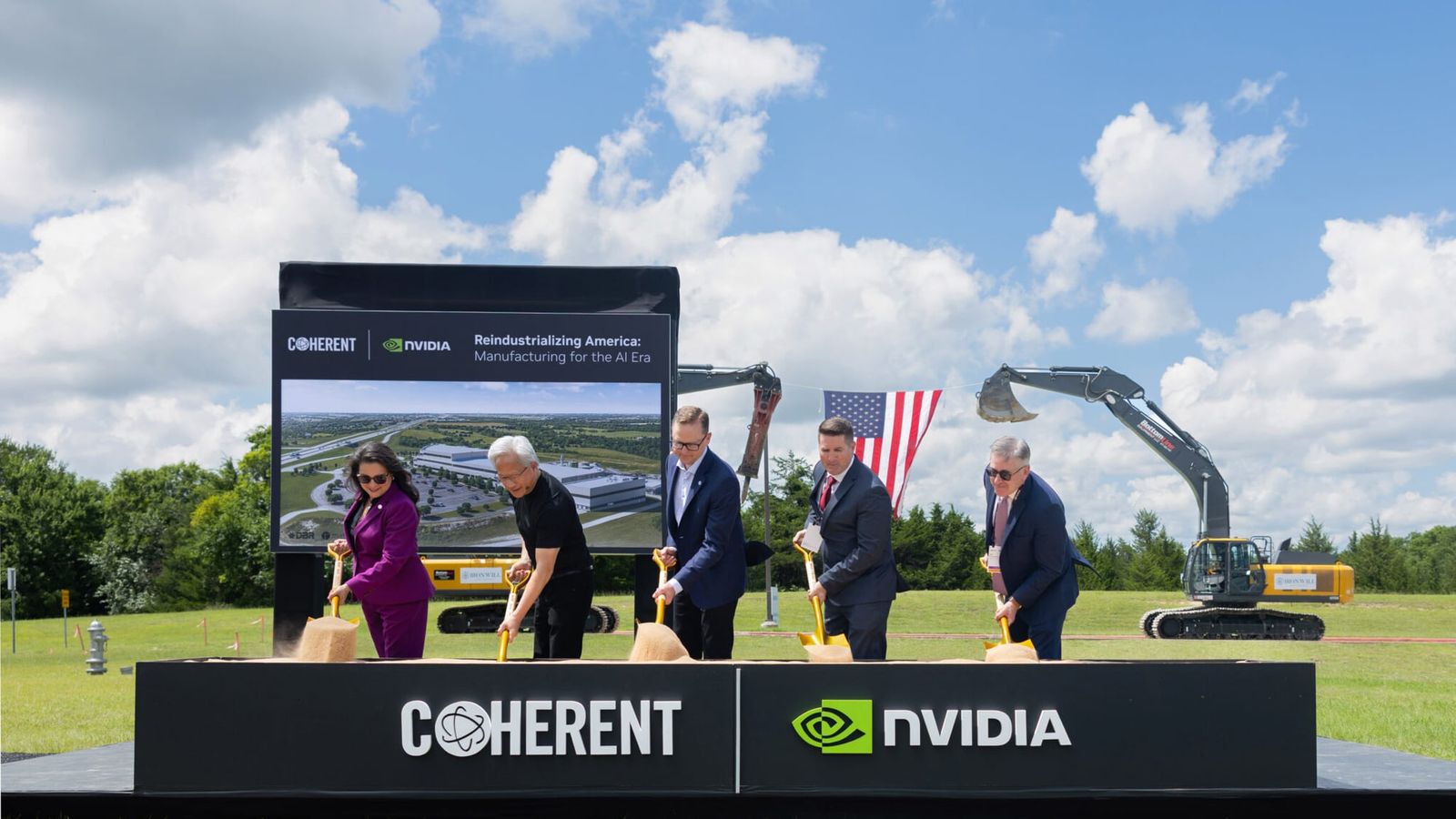
Beyond debates over software control, Huang identified physical infrastructure as the most urgent hurdle facing the domestic artificial intelligence sector.4 Speaking in Sherman, Texas, at a facility operated by optical component manufacturer Coherent, Huang warned that domestic power generation is failing to keep pace with computing demands.4
The electrical demand of massive data centers has created localized strains on the power grid, prompting resistance from municipal leaders and civic groups.43 Huang acknowledged that the technology sector failed to consult residents early during initial facility expansions, though he contended newer facilities operate with improved water and electrical efficiency.3
Domestic deployment also intersects with broader economic policy questions. Huang, whose personal wealth reached $182 billion on the Bloomberg Billionaires Index, endorsed paying higher taxes to fund public services.3 California voters face a ballot measure proposing a one-time 5% levy on residents holding fortunes above $1 billion.3 Huang indicated he would accept paying $8 billion across five years under the measure, describing significant tax contributions as a civic obligation.3
The debate over model oversight remains unresolved across the technology sector. While competitors continue to seek federal safety screening and structured deployment schedules, Huang maintains that conventional legal liability and market pressures provide sufficient guardrails for artificial intelligence as adoption expands.43
What this rests on
35 sentences trace to 4 sources.
-
1
BR
Brendan Ruberry Document · semafor.com · 24 Sep 2026 Nvidia CEO Jensen Huang dismisses AI fears as ‘distraction’ See the source
-
2
BN
BBC News Third-party reporting · bbc.com · 21 Sep 2026 Nvidia boss rejects AI extinction fears as 'doomsday narratives' See the source
-
3
CN
CBS News Third-party reporting · cbsnews.com · 20 Sep 2026 Nvidia See the source
-
4
A
ap.org Third-party reporting · ap.org · 16 Jun 2026 AP Exclusive: Nvidia's Jensen Huang says society needs 'new social norms' in the age of AI | The Associated Press See the source