Artificial intelligence helps African farmers anticipate El Niño drought risks
Advanced weather forecasting and agricultural tools allow growers across the continent to adapt planting schedules and protect harvests against shifting rainfall patterns.
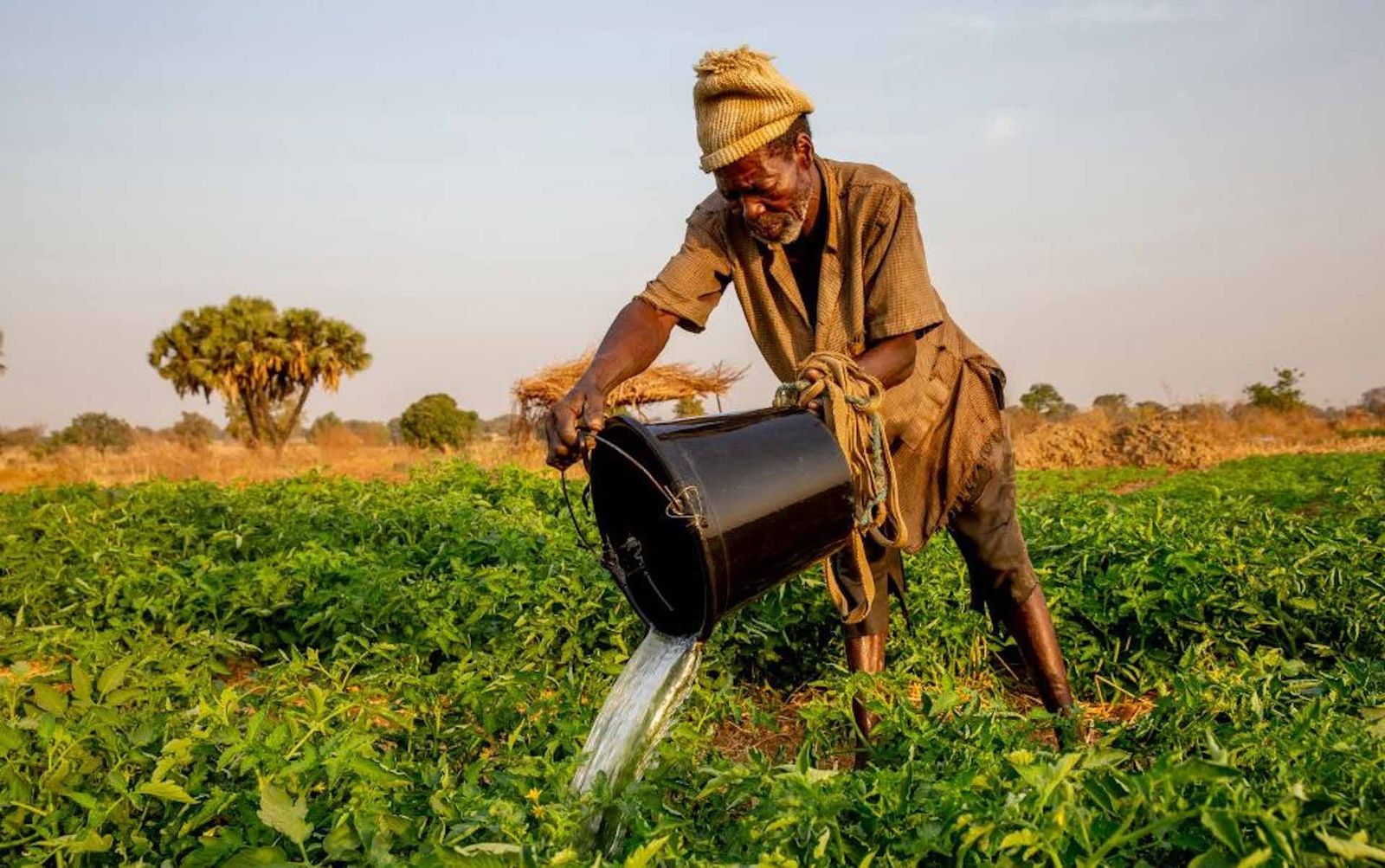
Thousands of miles away from African farmlands, periodic warm patches of ocean water in the equatorial Pacific Ocean disrupt the global atmosphere. This recurring pattern, known as El Niño, alters high-altitude winds and shifts atmospheric pressure systems that govern where tropical rain falls. Across large regions of the African continent, the consequence is often a catastrophic collapse of seasonal rainfall, leaving fields barren and depleting water reservoirs before crops can reach harvest.
For communities dependent on rainfed agriculture, missing the seasonal rains is devastating. When crops such as maize or sorghum fail to receive moisture during early germination or later grain development, yields drop precipitously. A single prolonged dry spell during the growing cycle can erase months of labour and eliminate the primary food supply for millions of smallholder farming households.
Efforts to counter these shocks are increasingly turning toward data-driven systems. Artificial intelligence, advanced weather forecasting, and agricultural technology are being mobilized to help African farmers prepare for El Niño-related drought risks and build climate resilience.1 By processing vast meteorological datasets, these emerging tools aim to provide earlier warnings that allow growers to adjust their field operations before moisture vanishes from the soil.
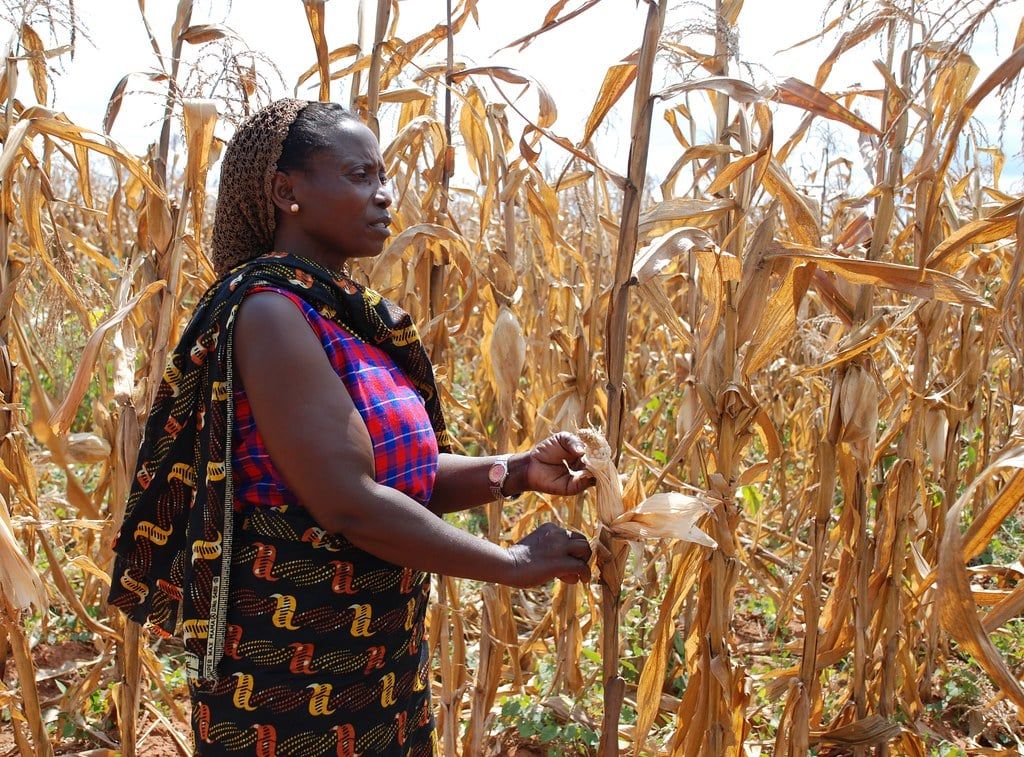
How does El Niño disrupt seasonal rains?
The climate pattern known as El Niño suppresses rainfall across large parts of Africa by shifting the atmospheric circulation cells that normally carry moisture across the tropics. When surface waters in the central and eastern Pacific warm significantly, rising air over that ocean alters planetary wind patterns known as the Walker circulation. As moist air converges over the warm Pacific away from continental landmasses, the normal updrafts that produce seasonal tropical storms weaken or relocate elsewhere.
The resulting disruption breaks the predictable rhythm of seasonal precipitation that farmers rely upon. In regions where planting schedules align with the arrival of specific monsoon winds, rains may start weeks late, arrive in scattered bursts, or cease entirely midway through the vegetative season. Without reliable surface water or irrigation networks, crops wither in dry topsoil long before their roots can access deeper groundwater reserves.
How can predictive algorithms guide planting decisions?
Predictive algorithms synthesize satellite observations and atmospheric patterns to give growers advance notice of seasonal dry spells. Traditional weather forecasts typically project conditions only a few days ahead, which provides little utility for a farmer choosing seed varieties months before harvest. Computational models, by contrast, analyze broader climatic signals, such as sea surface temperatures and regional atmospheric pressure shifts, to estimate precipitation probabilities for entire growing seasons.
Agricultural technology platforms translate those probability estimates into practical agronomic recommendations. If an algorithm signals a high probability of below-average rainfall, growers can choose fast-maturing, drought-tolerant crop varieties to replace conventional seeds that require continuous moisture. Farmers can also stagger their sowing dates, apply mulching techniques to preserve ground moisture, or adjust fertilizer applications to avoid damaging water-stressed plants.

Artificial intelligence assists this process by identifying complex historical correlations between Pacific ocean temperature shifts and localized rainfall deficits. Machine-learning algorithms can compare current atmospheric conditions with decades of historical climate data to project how an evolving El Niño event might affect specific microclimates. These insights help local agricultural extension workers distribute tailored advisories across farming communities before critical planting windows close.
What are the limits of agricultural forecasting?
Computational climate models cannot generate rainfall or replace the physical resources required to survive a severe drought. A predictive model generates probabilistic estimates of weather trends rather than physical guarantees of rainfall on a given farm. Atmospheric chaos ensures that local outcomes frequently diverge from broad regional projections. Furthermore, an early warning provides little benefit if a farmer lacks access to drought-resistant seeds, capital for supplemental irrigation, or storage infrastructure to preserve previous harvests.
Technological tools also face severe logistical constraints across rural regions. In many agricultural territories, sparse meteorological stations limit the ground data available to validate and refine computational models, reducing forecast accuracy at the district level. Furthermore, conveying complex probabilistic forecasts to remote farming communities requires dependable cellular networks, rural power, and clear translations into local languages, hurdles that hardware and algorithms alone cannot overcome.
Anticipating drought through predictive analytics marks an important conceptual shift from reactive emergency relief toward proactive climate risk management. When farmers receive reliable advance warnings of El Niño disruptions, they can make deliberate economic and agronomic choices that cushion their families against harvest failures. The ongoing challenge for researchers and policymakers is to ensure that these predictive insights and agricultural technologies reach vulnerable smallholders equitably before the next major climatic shift disrupts the growing season.
What this rests on
1 sentence trace to 1 source.
-
1
B
bloomberg.com Document · bloomberg.com · 27 Sep 2026 AI Helps African Farmers Prepare for El Niño See the source