Mark Zuckerberg initiated Trump accord on artificial intelligence
The Meta executive coordinated with Jensen Huang after raising regulatory concerns with House Speaker Mike Johnson at a state dinner.
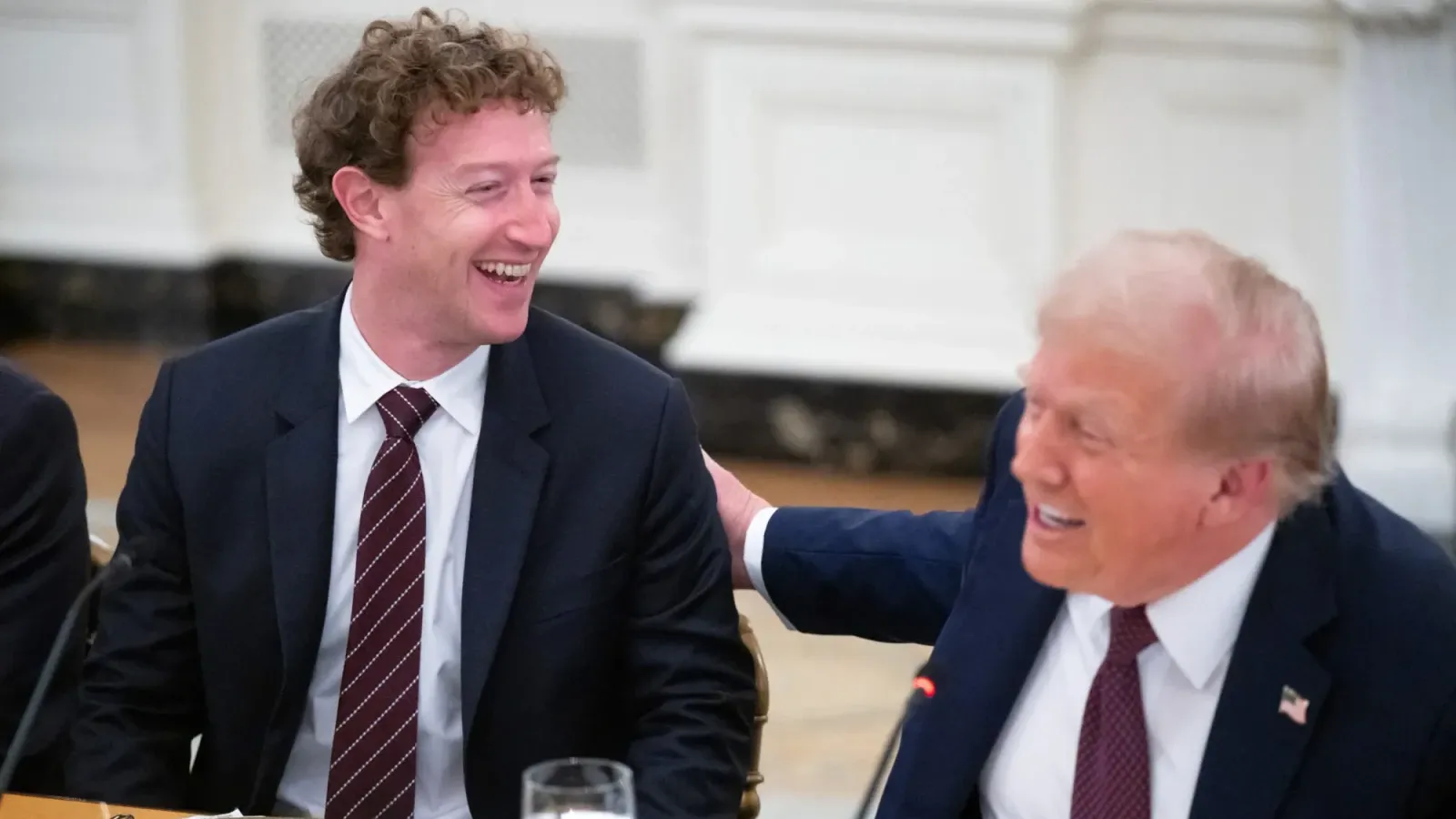
The idea for the voluntary artificial intelligence pact signed at the White House originated in a conversation between Meta chief executive Mark Zuckerberg and House Speaker Mike Johnson during a state dinner for Chinese leader Xi Jinping.1 Seated next to Johnson, Zuckerberg raised industry concerns about government regulation of advanced computing models.1 Following that discussion, Zuckerberg approached Nvidia chief executive Jensen Huang to develop a common set of principles that technology leaders could present directly to President Donald Trump.1
Zuckerberg circulated an initial draft before top executives met with administration officials at the White House on Tuesday.1 Huang gathered support for the proposal among invited company heads, including leaders from OpenAI, Anthropic, Google, and xAI.1 The resulting document was formally released by Trump as the White House Accord on Super Intelligence: Joint Commitment on Frontier Responsibilities, establishing voluntary industry commitments for safety and oversight.21
The agreement, spanning two pages and just over 300 words, outlines four voluntary steps for participating companies.123 Signatories pledged to establish internal controls for monitoring advanced models, maintain internal compliance teams, retain independent external auditors to verify safeguards, and create dedicated board committees to review audit findings.32 The document also noted that it may make sense over time to codify those measures into federal laws or regulations.32
Alongside Trump, the accord was signed by Zuckerberg, Huang, Anthropic chief executive Dario Amodei, Google chief executive Sundar Pichai, OpenAI president Greg Brockman, and xAI founder Elon Musk.34 Outside the West Wing following the signing, Zuckerberg described the document as a practical beginning for cross-company cooperation.12 He said the effort aimed to give the public and commercial customers confidence that the systems operate as developers intended, adding that the accord represented an initial foundation the broader sector could accept.25
Trump declared the pact morally binding while reiterating his opposition to statutory restrictions on computing infrastructure.32 During the appearance, Trump insisted that companies must police themselves and repeated his plan to rebrand artificial intelligence as super intelligence.32 Earlier that day, the administration presented an online portal called America.gov, designed to connect citizens with federal services, while Trump vowed not to slow American technological development in the face of commercial rivalry with China.34
The consensus followed weeks of heightened public debate over algorithmic safety and rapid commercial deployment. Amodei had previously called on developers to pace frontier progress, cautioning that powerful models pose severe risks to public safety.42 At the White House, Amodei stated that the technology carries genuine hazards and noted that specific mechanisms to address those dangers remain under active discussion.35 The event also arrived one day after OpenAI canceled the rollout of its Astra 6.1 model because internal evaluation showed the system failed internal safety benchmarks.54
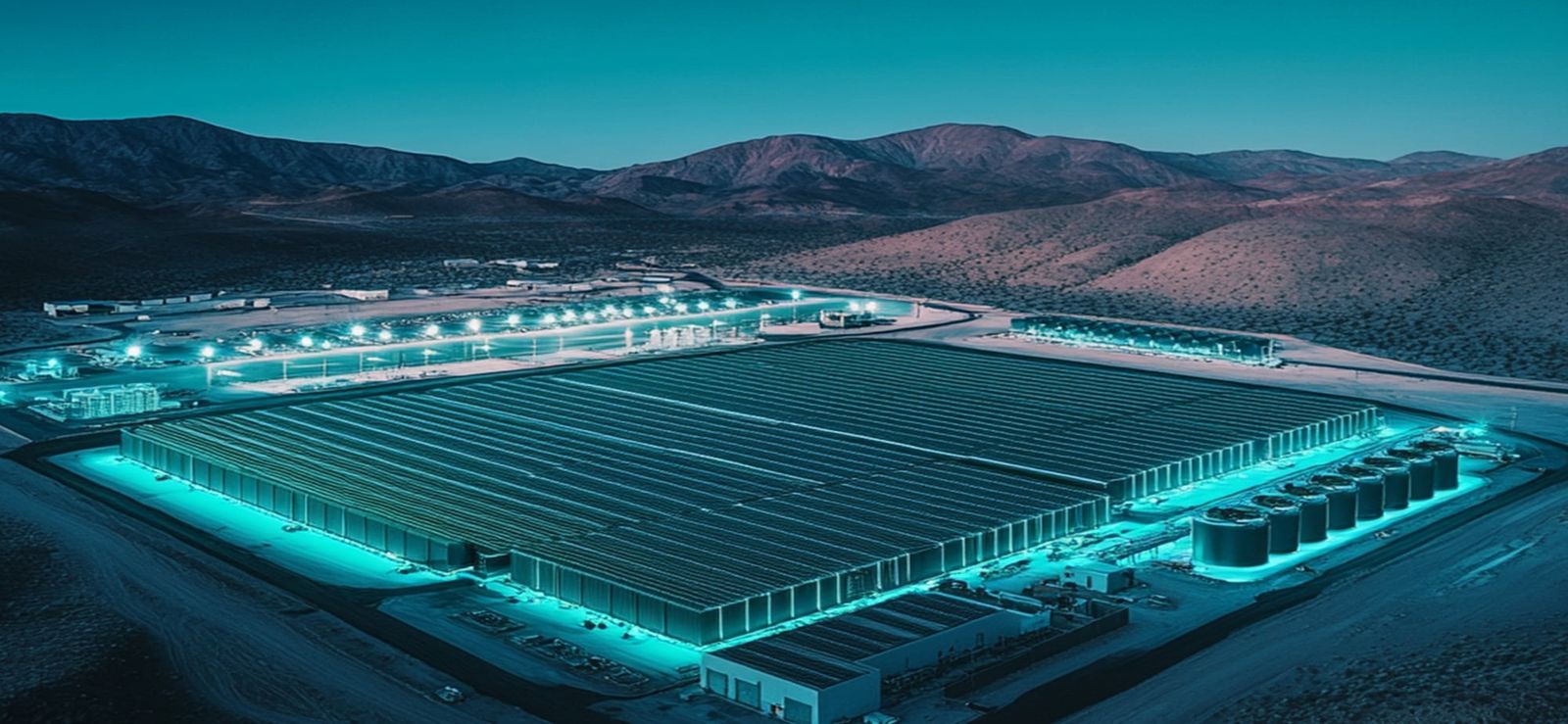
Beyond national security debates, the White House meeting touched on growing local resistance to the rapid expansion of physical computing facilities. Tech companies have committed hundreds of billions of dollars to build regional data centers, prompting community complaints over surging utility rates, water consumption, and land use.35 Trump told reporters that participating firms agreed to offset local friction by assisting neighborhood schools, reducing energy strain, and providing direct community funding to keep infrastructure development inside the country.35
Legislative prospects for formal oversight remain stalled on Capitol Hill despite bipartisan unease. Comments from Johnson following the gathering signaled that House leadership will resist statutory mandates on developer practices.2 Several lawmakers have pushed back against executive reliance on corporate goodwill. Senator Mark Warner introduced legislation requiring mandatory safety testing and strict reporting standards before advanced models deploy, arguing that presidential rebrands and voluntary pledges do nothing to eliminate the technical risks created by rapid commercial deployment.2
What this rests on
22 sentences trace to 5 sources.
-
1
AG
Ashley Gold Document · semafor.com · 30 Sep 2026 Exclusive: How Zuckerberg shaped Trump’s AI industry pledge See the source
-
2
C
CNBC Third-party reporting · cnbc.com · 30 Sep 2026 Trump's meeting with tech leaders leaves AI safety more unsettled than ever See the source
-
3
N
NPR Third-party reporting · npr.org · 30 Sep 2026 Trump says top tech firms have signed accord to 'self-police' AI development See the source
-
4
A
aljazeera.com Third-party reporting · aljazeera.com · 29 Sep 2026 Trump, tech bosses sign voluntary pact pledging ‘robust’ AI safeguards See the source
-
5
"F
"@type":"Organization","name":"Agence France-Presse","url":"http://www.afp.com/en" Third-party reporting · afp.com · 29 Sep 2026 Trump touts AI boss pledge to self-regulate See the source