Anthropic alerted Florida deputies after user threatened sheriff
A Bonita Springs woman faces felony charges after company staff flagged journal-style chatbot entries pledging violence against law enforcement.
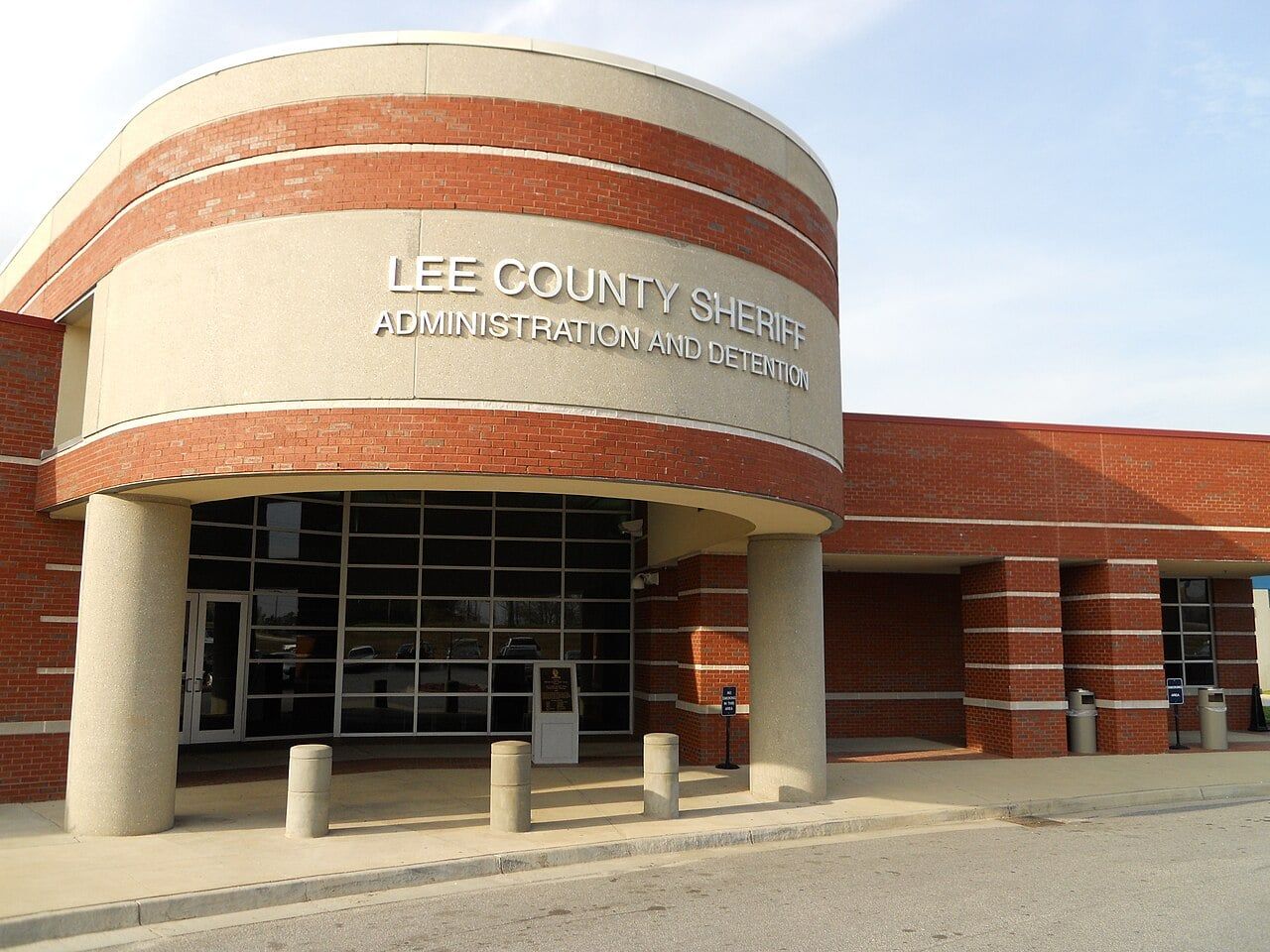
A 30-year-old woman in Lee County, Florida, faces felony charges after Anthropic reported statements she entered into its Claude artificial intelligence platform to local law enforcement.12 Investigators say Carli Michelle Heller of Bonita Springs used the chatbot interface as a personal diary, where she typed specific declarations about attacking the local sheriff's office.32
According to an arrest report prepared by the Lee County Sheriff's Office, automated safety filters inside the platform flagged Heller's messages before escalating them to a human review team.21 The staff members evaluated the content, decided the language constituted a credible threat of violence, and notified police.34
Deputies dispatched to Heller's residence in Bonita Springs detained her without incident, after which an intelligence detective took over the formal investigation.31 Court records indicate she has been charged with making written threats of violence under Florida Statute 836.10, a second-degree felony covering electronic records that threaten bodily harm or mass violence.32
Automated flags and emergency disclosures
The sequence began early on Sept. 26, 2026, when an account tied to Heller transmitted an explicit message directed at local authorities.21 The arrest report states that at approximately 5:10 a.m., she typed that she was going to shoot up the sheriff's office.21
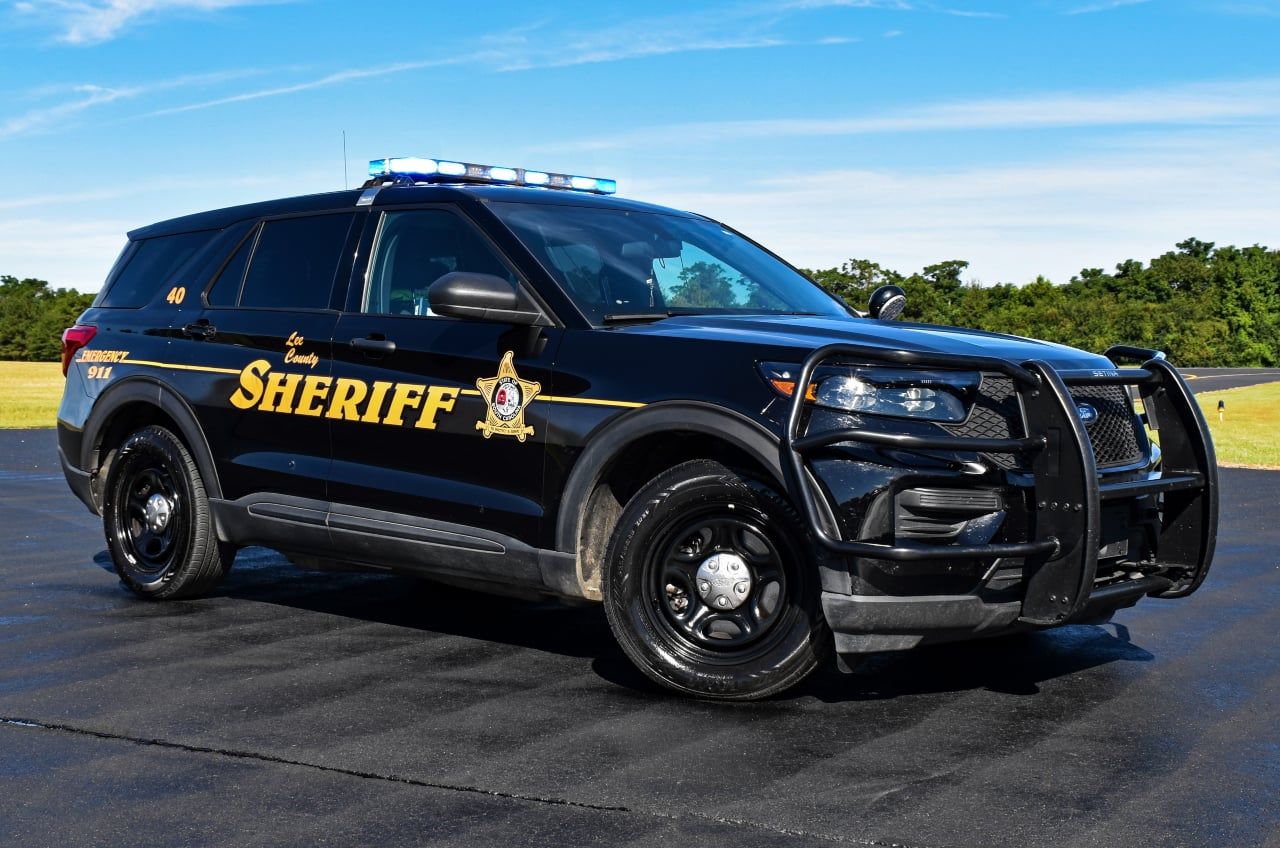
Investigators documented a second message sent early the following morning, at approximately 1:07 a.m. on Sept. 27.21 In that entry, Heller stated that she had obtained a firearm, calling the message a final warning.12
Anthropic maintains policies governing user confidentiality that outline exceptions for imminent danger.13 Under its emergency disclosure terms, the company permits the sharing of user account information with law enforcement when staff believe disclosure is necessary to prevent death or serious physical injury.3
Following her detention, Heller explained her reliance on the platform to investigators.31 She stated during questioning that she used the conversational software like a personal diary, according to law enforcement accounts.14
Legal scrutiny and privacy boundaries
Sheriff Carmine Marceno emphasized that public assumptions regarding anonymity across commercial artificial intelligence tools do not match operational reality.21 Marceno stated that when someone uses artificial intelligence to facilitate a threat, investigators take the action seriously, noting that users are never truly anonymous.21
The criminal filing in Lee County falls under a state statute prohibiting any person from posting, sending, or transmitting an electronic record threatening to kill or injure someone, execute a mass shooting, or commit an act of terrorism.34 The law specifies that the communication must occur in a manner where another individual can view it.34

Michael Raheb, a defense attorney and legal analyst in Florida, pointed out that prosecutors still face evidentiary hurdles in establishing intent through conversational platforms.2 Raheb noted that proving a direct criminal threat requires demonstrating specific harm toward an individual while balancing First Amendment protections surrounding speech.2
The episode highlights an expanding debate over corporate intervention standards when users draft violent scenarios inside closed digital platforms. Dr. Chrissann Ruehle, an assistant professor of artificial intelligence ethics at Florida Gulf Coast University, said technology developers bear a responsibility to build guardrails into software architectures and flag hazardous conduct when harmful applications arise.2
The referral follows intense legal pressure on frontier artificial intelligence developers over how their moderation queues manage prospective violence. OpenAI and its chief executive, Sam Altman, face lawsuits from government authorities in Florida and British Columbia over claims that safety monitoring teams failed to intervene before real-world mass shootings.3
In the British Columbia matter, safety teams had flagged conversations conducted by 18-year-old Jesse Van Rootselaar about firearms, yet staff never notified police because the dialogue did not meet internal thresholds for a legal referral.3 In Florida, state officials filed suit alleging that ChatGPT contributed to real-world tragedies, including the 2025 Florida State University shooting.3
Heller's case remains pending in Lee County, with an initial court appearance scheduled for November.4
What this rests on
25 sentences trace to 4 sources.
-
1
N
NOPE Third-party reporting · nope.net · 3 Oct 2026 Bonita Springs, Lee County, Florida: a 30-year-old woman was arrested and charged with making a written threat of violence after Anthropic See the source
-
2
W
WCVB Third-party reporting · gulfcoastnewsnow.com · 2 Oct 2026 Florida woman accused of telling Claude AI she was going to 'shoot up the sheriff's office' See the source
-
3
T
TechSpot Document · techspot.com · 4 Oct 2026 Florida woman used Claude as a diary, then Anthropic reported an entry to police See the source
-
4
I
Index.hr Third-party reporting · index.hr · 5 Oct 2026 Žena s Floride koristila Claude kao dnevnik, AI je prijavio. Uhićena je See the source