Survey finds 35% of courtroom experts use AI
Litigation consultants report fast adoption for research and report analysis even as most establish verification routines to catch model errors.
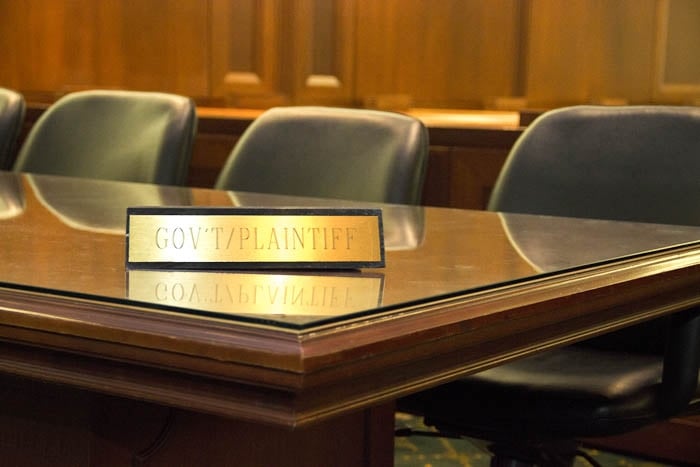
More than a third of expert witnesses and litigation consultants now incorporate generative artificial intelligence into their professional casework. According to the 2026 Expert Witness Fees and Practices Comprehensive Report released by directory service ExpertPages, 35% of surveyed specialists across North America use generative tools in their practice.12 Most of that uptake occurred within the preceding twelve months, with 24 percentage points of the total adoption arriving in the past year alone.1
The findings draw on confidential survey responses collected from more than 425 courtroom specialists across North America.1 DeBow Communications, an independent market research firm based in New York, conducted the survey between January 8 and April 15, 2026, establishing an overall margin of error of 4.9 percentage points at the 95% confidence level.1 The data shows that the technology has gained ground among testifying professionals who stake their livelihood on reputational authority and technical precision.
Literature review and background investigation represent the primary application for courtroom specialists deploying machine systems. Among experts who use the technology, 32% apply it to research and literature review tasks.1 Report preparation follows at a distance, with 14% using the tools to draft or edit their own expert reports, and 12% deploying systems to analyze opposing experts' submissions.1

Efficiency gains have accompanied this shift for most practitioners who tested the software. Among respondents using the tools, 78% reported at least some gain in efficiency or productivity, and 31% characterized that operational boost as significant.1 When asked to evaluate their confidence that machine systems will occupy an expanding position in litigation consulting on a 10-point scale, the responding cohort registered an average confidence score of 6.8 and a median score of 7.3.
Gerry H. Goldsholle, founder and chief executive officer of ExpertPages parent company Advice Company, framed the transition as an unexpected acceleration for a cautious professional class.1 "AI is moving into the expert witness world faster than almost anyone expected two years ago," Goldsholle said.1 "These are highly credentialed professionals whose credibility is their whole business — and a third of them are already using AI tools, mainly for research, with real concern about accuracy but real confidence the technology is here to stay."1
That confidence coexists with widespread wariness regarding factual fabrication. Among expert witnesses who use the software, 81% reported concern about hallucinations and inaccuracies.1 At the same time, 57% of those active users stated that they maintain established review procedures to detect and rectify errors before work product reaches clients or tribunals.1
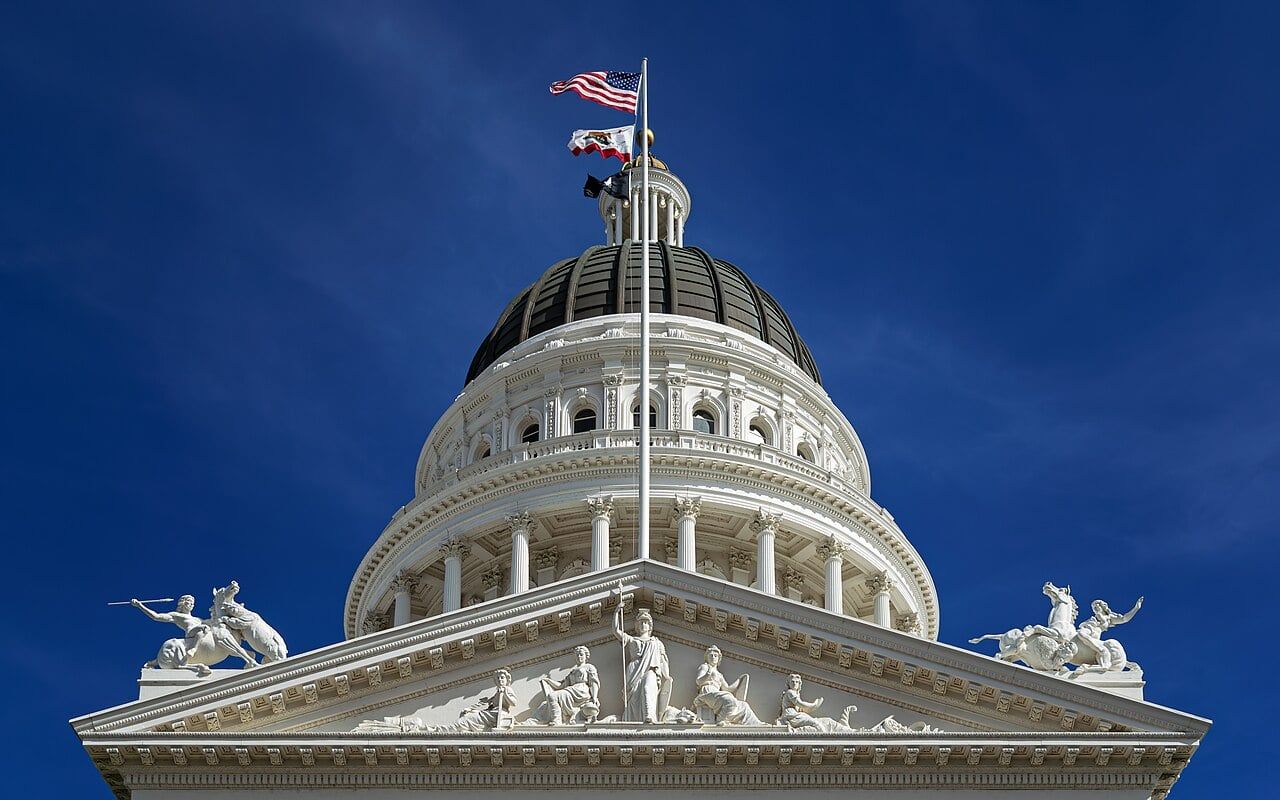
The procedural safeguards mirror mounting scrutiny across judicial administration. In California, Governor Gavin Newsom signed Senate Bill 574 on September 30, 2026, creating statutory duties under the Business and Professions Code and the Code of Civil Procedure that take effect on January 1, 2027.3 The statute forbids practitioners from delegating the practice of law to software systems, mandates the protection of confidential information, and requires reasonable verification of generated content and legal citations.3
Federal rulemaking bodies have similarly moved to address machine outputs submitted in judicial proceedings. The Advisory Committee on Evidence Rules published proposed Federal Rule of Evidence 707, which would apply the strict reliability standards of Rule 702 to machine-generated evidence introduced without a human sponsor.3 The advisory committee continued studying the proposal at its May 7, 2026 meeting, scheduling additional expert panels for consideration alongside draft Rule 901(c) addressing synthetic media.3
The ExpertPages study simultaneously traced shifting fee schedules across specialties, showing an overall average hourly billing rate of $465 across surveyed fields.1 Compensation scales remain heavily dependent on the witness's core technical domain. Securities and investment specialists topped the compensation rankings at $725 per hour, while artificial intelligence experts commanding testimony on algorithmic systems placed second at an average rate of $597 per hour.1
Medical witnesses followed closely behind, with physicians averaging $588 per hour across North American retentions.1 Lower billing thresholds persisted in technical inspection disciplines: automotive, aviation, boat, and rail consultants averaged $387 per hour, and documents and handwriting specialists recorded an average hourly fee of $340.1
What this rests on
20 sentences trace to 3 sources.
-
1
DC
debow communications, ltd. Press release · einpresswire.com · 7 Oct 2026 One-Third of Expert Witnesses Now Use AI in Court Cases, New ExpertPages® Survey Finds — Rates Still Topping See the source
-
2
E
-
3
L
libguides.law.ucdavis.edu Third-party reporting · libguides.law.ucdavis.edu Research Guides: Generative AI Tools and Resources for Law Students: Risks, Limitations, and Professional Responsibility See the source