NHS rolls out skin cancer AI across 18 trusts
A three-year deployment covering nine million people aims to free 13,500 consultant hours annually by clearing benign cases before outpatient visits.
An artificial intelligence platform certified to discharge patients without human review is expanding across 18 hospital trusts in South East England, marking the largest deployment of autonomous medical software in the history of the National Health Service.12
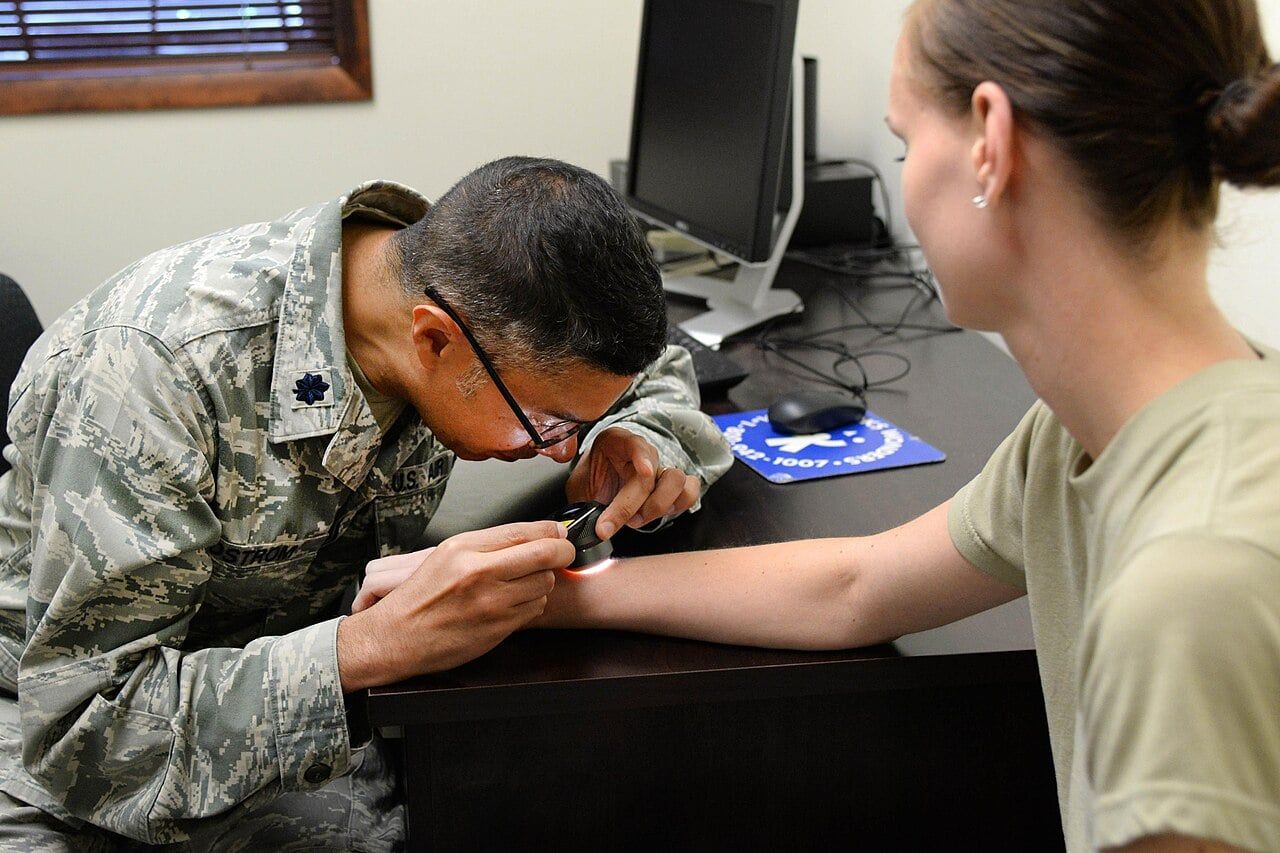
The system, known as DERM and developed by London-based company Skin Analytics, analyses photographs of suspicious moles and lesions to determine whether patients need urgent specialist attention.21 Under the regional rollout, which spans three years and covers roughly nine million people, hospital staff capture high-resolution images of patient skin marks during initial triage appointments.12 The software evaluates the structural features of each mark and autonomously discharges cases it determines to be harmless, routing high-risk patients to specialist oncologists and dermatologists.12
Regional health authorities estimate that automated triage will discharge up to a third of urgent referrals before an individual sits down with a specialist.12 Modelling conducted for the South East rollout projects that divert will return roughly 13,500 consultant hours annually to local hospitals, the equivalent of about 27,000 outpatient appointments.12 Company materials elsewhere suggest the reduction in face-to-face consultations could reach as high as 40 percent.2 Neither the health service nor Skin Analytics has disclosed the financial terms of the three-year contract.2
Regulatory standing and clinical verification
Automated diagnostic software in medicine faces strict safety hurdles, and DERM operates under Class III CE marking certification in the United Kingdom, the highest regulatory tier applied to medical devices.12 Skin Analytics has spent more than six years integrating the tool into NHS hospital operations, establishing preliminary deployments across 25 hospital trusts before securing the South East regional agreement.12
Across its initial deployments, the platform evaluated more than 250,000 patients and identified more than 25,000 skin cancers.12 Those findings were confirmed by laboratory histopathology, the medical sector's definitive benchmark for tissue diagnosis.1 Internal clinical monitoring indicates that the software correctly rules out malignancy in 99.5 percent of benign cases and detects roughly 98 percent of present skin cancers.12

Comparative studies suggest the algorithm operates at an accuracy level comparable to experienced clinicians. An independent evaluation conducted in July 2024 for NHS England's outpatient recovery programme examined diagnostic accuracy in melanoma cases.2 In that evaluation, dermatologists conducting in-person patient assessments correctly ruled out melanoma 98.9 percent of the time, while the software achieved an exclusion rate of 99.8 percent across comparable disease prevalence.2
Operational pressures in dermatology clinics
The regional expansion comes as British hospitals grapple with unprecedented volumes of dermatology referrals. In 2024, the NHS received more than 2.4 million referrals for dermatology services, including approximately 700,000 urgent referrals for suspected skin cancers.3 Because guidelines instruct general practitioners to flag any suspicious lesion quickly, the overwhelming majority of people sent into urgent pathways turn out to have benign conditions, tying up specialist clinics with non-cancerous moles.3
Dr Alexandra Kemp, a consultant dermatologist and cancer clinical director at Amersham Hospital within Buckinghamshire Healthcare NHS Trust, noted that clinical staffing has struggled to keep pace with demand.12 "Across the country referrals for suspected skin cancer are continuing to rise and there are not enough dermatologists to manage these referrals," Kemp said.12 She explained that using algorithmic assessment to remove benign lesions from hospital backlogs allowed local clinicians to concentrate on malignant tumours while restoring clinic space for chronic conditions such as eczema, psoriasis, and severe acne.1
Regional health executives view the software as a practical relief valve for congested clinics. Daghni Rajasingam, regional chief medical officer for NHS England in the South East, emphasized that faster clearance also mitigates patient stress.12 "For patients, a suspected cancer referral can be an anxious time," Rajasingam said, adding that using autonomous triage alongside medical staff ensures clear cases receive rapid answers while complex cases move quickly to hospital teams.12
Evidence requirements and skin tone monitoring
Despite the software's regulatory classification, national health watchdogs have attached specific caveats to autonomous clinical use. The National Institute for Health and Care Excellence issued guidance through an early value assessment in May 2025, recommending DERM for early NHS deployment while researchers compile supplementary performance data over a three-year observation period.3
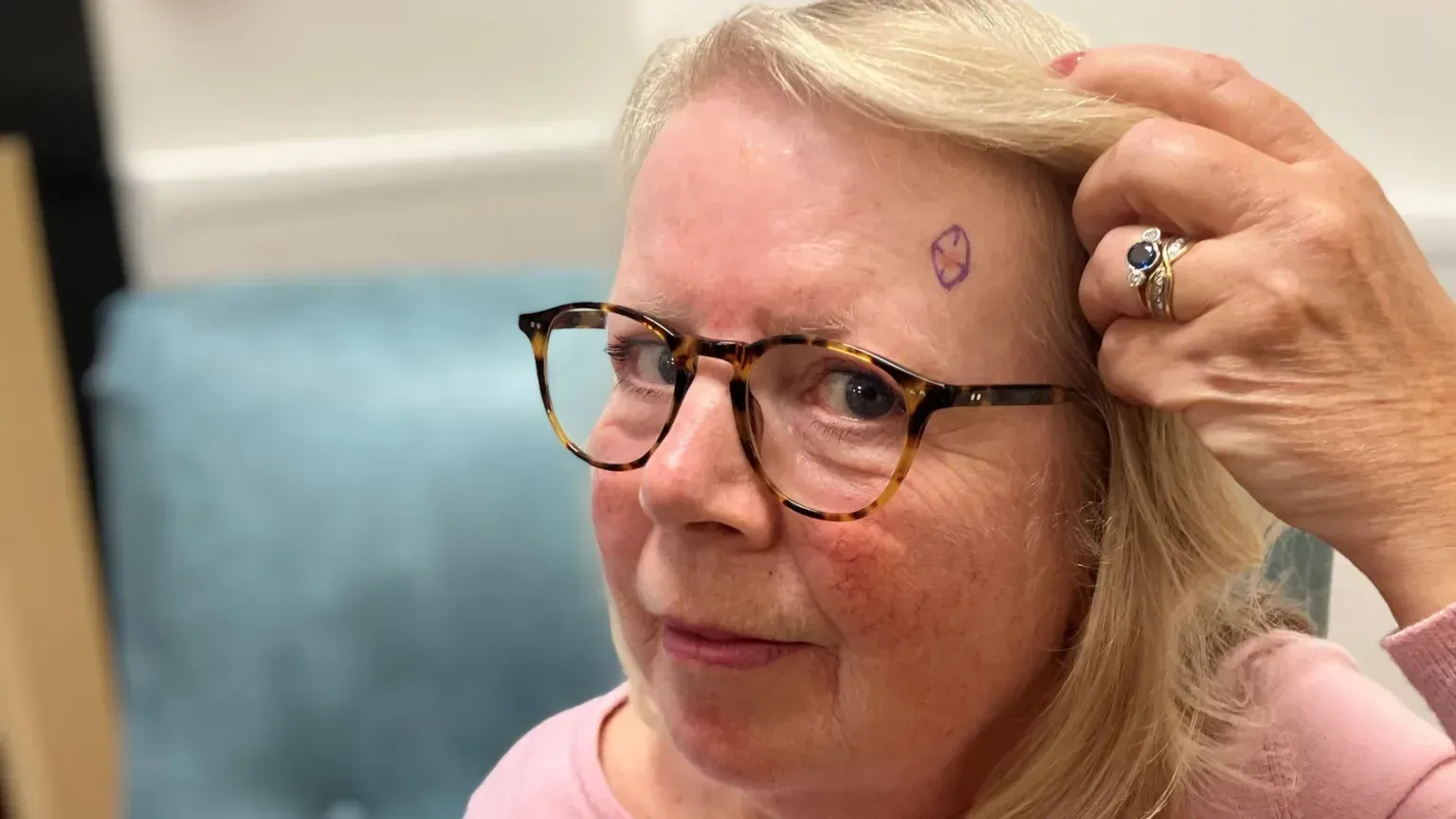
The advisory body pointed to evidence indicating the software could halve specialist referrals while preserving diagnostic accuracy, but it mandated an explicit clinical safeguard for individuals with darker complexions.3 Under the guidance, patients assessed with Fitzpatrick skin phototypes V and VI must undergo a secondary human dermatologist review following algorithmic analysis, ensuring diagnostic thresholds remain dependable across diverse patient demographics.3
Skin Analytics stated that its underlying algorithms remain certified to discharge benign lesions across all skin categories, but confirmed that the regional hospital pathway preserves the mandatory clinician secondary review for Fitzpatrick V and VI patients in compliance with official guidance.3
Broader expansion and public service adoption
The South East England rollout follows a separate decision in Northern Ireland to approve DERM for autonomous skin cancer triage across its population of 1.9 million residents.12 Similar community screening and teledermatology pilots have also launched across community healthcare networks and private insurers including Bupa.45
Neil Daly, founder and chief executive of Skin Analytics, described the cross-trust contract as an unprecedented milestone for automated diagnostic healthcare.13 "The NHS is the only health system anywhere to take autonomous AI into cancer pathways at this scale, and that's a real world first that happened here," Daly said. He noted that the South East partnership extends algorithmic skin cancer detection to a large contiguous geography after years of localized trust pilots.1
The project represents a central component of NHS England's broader technology modernisation drive, which aims to embed digital triage into frontline services by 2028 under the government's long-term health plan.51 Whether autonomous software can permanently resolve clinic waiting times without generating diagnostic anomalies will depend on the performance data collected as all 18 trusts transition to digital intake this autumn.
What this rests on
31 sentences trace to 5 sources.
-
1
T
Transatlantic Press release · einpresswire.com · 9 Oct 2026 Skin Analytics AI skin cancer checks rolled out in the largest deployment of autonomous medical AI in NHS See the source
-
2
T
thenextweb.com Third-party reporting · thenextweb.com · 8 Oct 2026 NHS South East rolls out skin cancer AI that can discharge patients alone See the source
-
3
S
skin-analytics.com Third-party reporting · skin-analytics.com · 1 May 2025 NICE recommends DERM for early use within the NHS, while further evidence is gathered - Commentary from Neil Daly, Founder and CEO, Skin Analytics - Skin Analytics See the source
-
4
S
-
5
S