Remote worker sues Sutherland over daily webcam surveillance
Glennis Von Sander-Timinski claims the company rejected medical accommodations for lupus and demanded six hours of daily commuting before firing her.
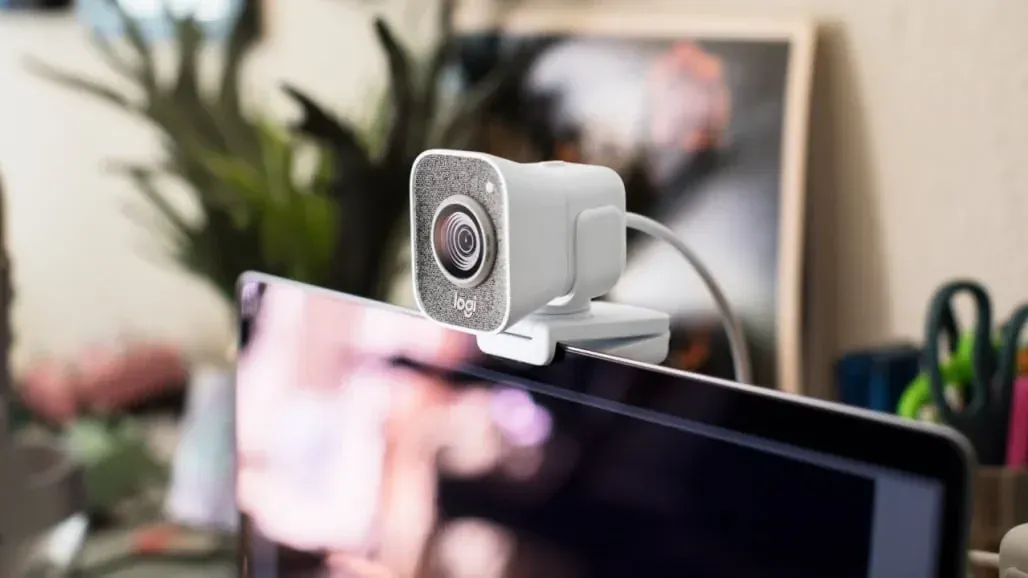
Glennis Von Sander-Timinski worked remotely for Sutherland Healthcare Solutions for years before a new software mandate arrived in August 2026.12 The outsourcing provider informed staff that it planned to implement Sentinel AI, a program configured to photograph employees through their laptop webcams approximately every three minutes.12 Over an eight-hour shift, the system gathered roughly 160 still photographs to verify workstation attendance through automated facial recognition.21
Dispute over medical accommodation
Von Sander-Timinski, who was diagnosed with systemic lupus erythematosus and anxiety, objected to the continuous photographic monitoring.23 Psychological stress functions as a recognized trigger for lupus flare-ups, which can produce fevers, rashes, and physical sores.1 Her physician submitted a formal letter requesting that Sutherland make the webcam monitoring intermittent or reduce its frequency, stating that continuous surveillance worsened her anxiety and aggravated her autoimmune illness.12
According to the complaint filed in New Jersey, Sutherland declined to adjust the software parameters or explore alternative arrangements.13 Company managers instead offered three options: consent to Sentinel AI monitoring, travel to the corporate facility in Clinton every day, or leave the company.21 For Von Sander-Timinski, who resides in Atlantic County on the opposite side of the state, traveling to Clinton meant a daily commute of roughly three hours in each direction.12 On September 8, 2026, the company terminated her employment after more than a decade of service, following her initial employment with a firm Sutherland acquired in 2013.12

Sutherland Healthcare Solutions had not issued a public response to the lawsuit at the time of initial reporting.2 The legal complaint represents an allegation rather than a judicial finding, and no court has determined that the monitoring caused her medical symptoms or violated state statutes.23
Statutory duties under New Jersey law
The lawsuit centers on statutory disability protections rather than workplace privacy claims alone. Under the New Jersey Law Against Discrimination, employers must provide reasonable accommodations to employees with disabilities unless doing so imposes an undue operational burden.4 The statute prohibits discriminatory discharge and requires employers to participate in an interactive process when a worker requests job modifications for a qualifying medical condition.42
“Our client's employer failed to engage in the interactive process required under the New Jersey Law Against Discrimination and denied a reasonable accommodation that would have allowed Ms. Von Sander-Timinski to continue performing her job duties successfully, as she had done for years prior to the implementation of this monitoring system,” said Von Sander-Timinski’s lawyers in a statement.1

The dispute reflects an operational shift across distributed workforces, where employers have moved beyond traditional activity tracking toward direct visual capture inside private residences.32 Standard workplace oversight historically centered on keystroke logging, application timing, and email surveillance.12 Systems such as Sentinel AI instead direct hardware cameras into domestic spaces, recording employee appearances during working hours.32 A 2023 survey indicated that 51 percent of surveyed workers knew their employers used technology to monitor them, with 56 percent of monitored workers reporting feelings of tension or significant pressure on the job.3
Legislative boundaries on residential tracking
State legislatures have begun testing legal limits on residential surveillance tools. Maine enacted a statute that bars employers from audiovisual monitoring inside an employee's private residence, vehicle, or personal property unless the tracking is necessary for job duties, while allowing workers to reject surveillance applications on personal devices.32 Several other states, including New York, Connecticut, Delaware, and California, have also established statutory boundaries for commercial employee tracking.1
New Jersey lawmakers have introduced Senate Bill S4075 to establish standards for artificial intelligence monitoring systems.23 The proposed measure would require algorithmic surveillance tools to undergo impact assessments and independent auditor approval before workplace deployment.21 The bill also proposes restrictions on surveillance conducted inside private residences and nonworking hours, alongside mandates for human oversight capable of correcting algorithmic errors.23
The outcome of the litigation could clarify how far employers must adjust automated surveillance policies when distributed workers present medical documentation demonstrating that continuous scrutiny harms their physical health.
What this rests on
24 sentences trace to 4 sources.
-
1
CR
Chloe Rosenberg Document · inc.com · 7 Oct 2026 A Remote Employee Refused 160 Webcam Photos a Day. Her Employer Fired Her See the source
-
2
YN
Yahoo News Third-party reporting · gadgetreview.com · 9 Oct 2026 Remote Worker With Lupus Says AI Webcam Surveillance Cost Her Her Job See the source
-
3
T
tokenpost.com Third-party reporting · tokenpost.com · 9 Oct 2026 New Jersey Worker Sues Sutherland Over AI Webcam Monitoring | TokenPost See the source
-
4
W
wpadmin-prd.njoag.gov Official record · wpadmin-prd.njoag.gov · 8 Nov 2024 NJ Law Against Discrimination - New Jersey Office of Attorney General See the source