Orbital data centers could become military targets in space
Shifting computing into orbit creates acute security vulnerabilities as armed forces treat artificial intelligence facilities as critical wartime infrastructure.
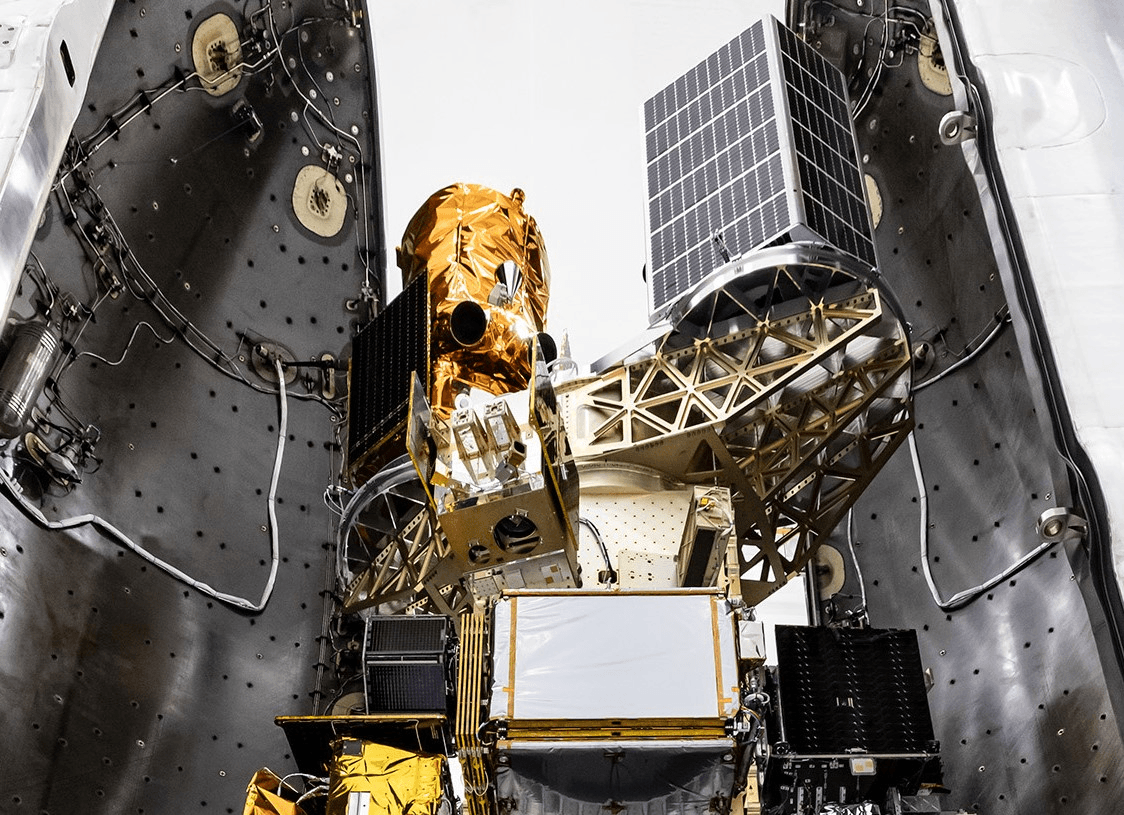
The physical expansion of computing infrastructure has reached the edge of the atmosphere. As terrestrial electricity grids struggle to supply the massive power demands of machine-learning clusters, technology firms have begun designing data centers intended to operate in low Earth orbit. Positioning server banks in space offers unhindered access to solar energy and eliminates the geographical constraints of building on land.1 Placing sovereign and commercial computing hardware outside the protection of Earth introduces an acute strategic hazard, with the potential to draw armed conflict directly into space.1
The risk intensifies because military organizations across the globe are incorporating artificial intelligence into core operational planning.1 Modern armed forces view high-capacity computing facilities as critical infrastructure, ranking server farms alongside fuel depots, communications hubs, and electrical substations.1 When command networks, radar data processing, and reconnaissance analysis depend on continuous access to advanced processing units, the computing clusters housing those systems become natural targets for hostile forces seeking an operational advantage.
Why are computing facilities moving into orbit?
Engineers are designing orbital server clusters to capture uninterrupted solar radiation and bypass the strict land and cooling constraints that limit terrestrial data centers.1 A server farm on Earth requires vast acreage, connection to heavy industrial power lines, and millions of liters of water to dissipate the thermal energy generated by packed microprocessors. In space, a satellite constellation operates above the atmospheric filtration that weakens solar intensity, allowing photovoltaic arrays to gather continuous energy without weather delays or nighttime interruptions.
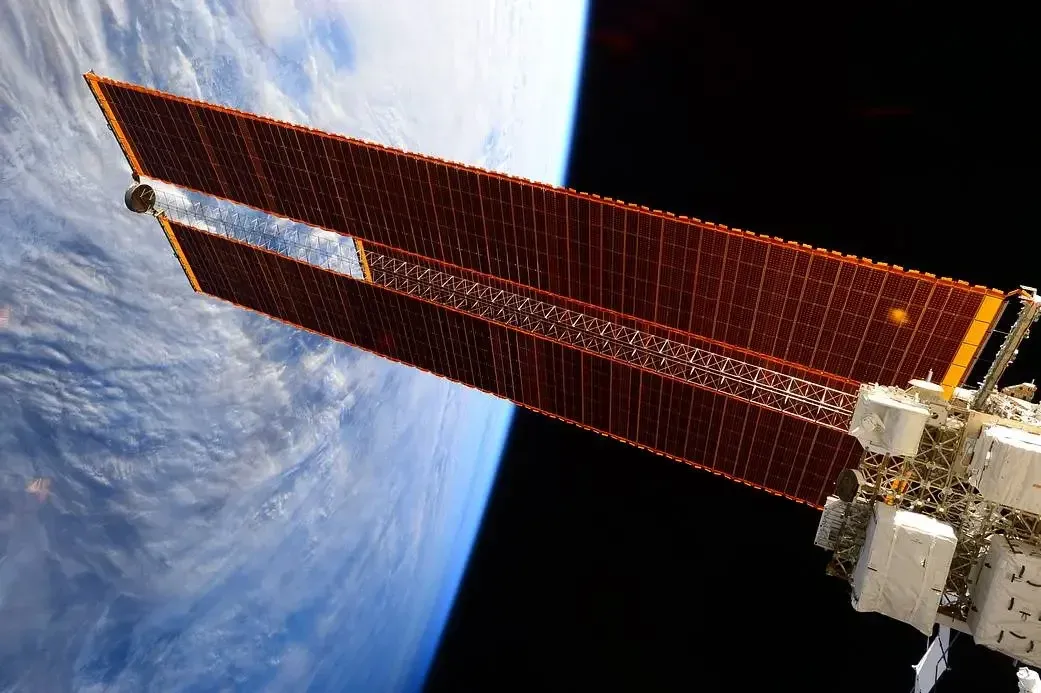
The strategic problem begins with the mechanics of orbital flight and computational dependence. An armed force first builds artificial intelligence models to process satellite imagery, coordinate distributed units, and automate tactical decisions. That software requires thousands of specialized microchips operating continuously under heavy electrical loads. Launching those chips into orbit solves the power constraint, but it places the core decision-making apparatus of a defense network inside a predictable, unchangeable flight trajectory. A competitor seeking to disable those automated systems in a conflict needs only to intercept an exposed satellite that lacks evasive mobility.
Why are server farms vulnerable during modern armed conflicts?
Militaries treat data centers as high-priority targets because contemporary command systems, surveillance pipelines, and autonomous operations rely directly on massive computational processing power. When warfare breaks out, disabling an adversary's server capacity degrades their ability to synthesize battlefield information and guide precision munitions. Ground-based conflicts have already confirmed this operational shift, demonstrating that computing installations now face the same destruction traditionally reserved for airfields and command headquarters.
Recent combat operations illustrate how quickly server facilities become tactical objectives once fighting begins. Iranian airstrikes targeted data centers across the Middle East, while Ukrainian attacks destroyed several data facilities in Russia, demonstrating the perceived military value of computational infrastructure.1 On the ground, government installations can counter these threats by constructing facilities deep underground, surrounding them with reinforced concrete walls, and deploying surface-to-air missile batteries to intercept incoming ordnance.1

What prevents orbital facilities from shielding themselves against hostile action?
Satellites travel along predictable orbital paths in the open vacuum of space, which prevents them from using the heavy physical reinforcement and protective burial that shield ground facilities.1 Terrestrial engineers can excavate granite caverns to shield sensitive microprocessors from direct bombardment, but weight restrictions prevent launch vehicles from carrying thick steel or concrete barriers into orbit. An orbital data center remains exposed to direct-ascent anti-satellite missiles, co-orbital interceptors, high-power lasers, and electronic warfare attacks, with nowhere to hide from space surveillance networks.
The assessment evaluates a projected operational hazard. Current orbital computing projects remain in early experimental phases, testing small demonstration payloads while sovereign military workloads continue to run on ground-based infrastructure. These findings examine how future armed forces might respond once operational server constellations deploy, without attempting to forecast exact deployment timelines, defensive countermeasures, or diplomatic outcomes. In addition, existing international space treaties leave the combatant status of commercial orbital platforms undefined during an armed dispute.
Hostile action directed at spaceborne computing clusters would also create consequences extending far beyond the opposing militaries. Kinetic strikes against satellites create dense clouds of high-speed shrapnel that spread throughout low Earth orbit, endangering commercial communication networks, weather monitoring platforms, and crewed space stations for decades. As defense agencies evaluate sovereign cloud systems in space, international policymakers and aerospace engineers face the urgent task of defining operational standards and orbital protection rules before high-capacity hardware enters orbit.
The record
8 sentences trace to 1 source.
-
1
B
Bloomberg Document · bloomberg.com · 13 Oct 2026 Orbital Data Centers Could Become Military Targets in Space See the source