Elon Musk capped Ukrainian drone satellite speeds at 160 kph
The restriction disrupted aerial interceptors and frontline reconnaissance units while officials in Washington traded contradictory explanations over who ordered the throttle.
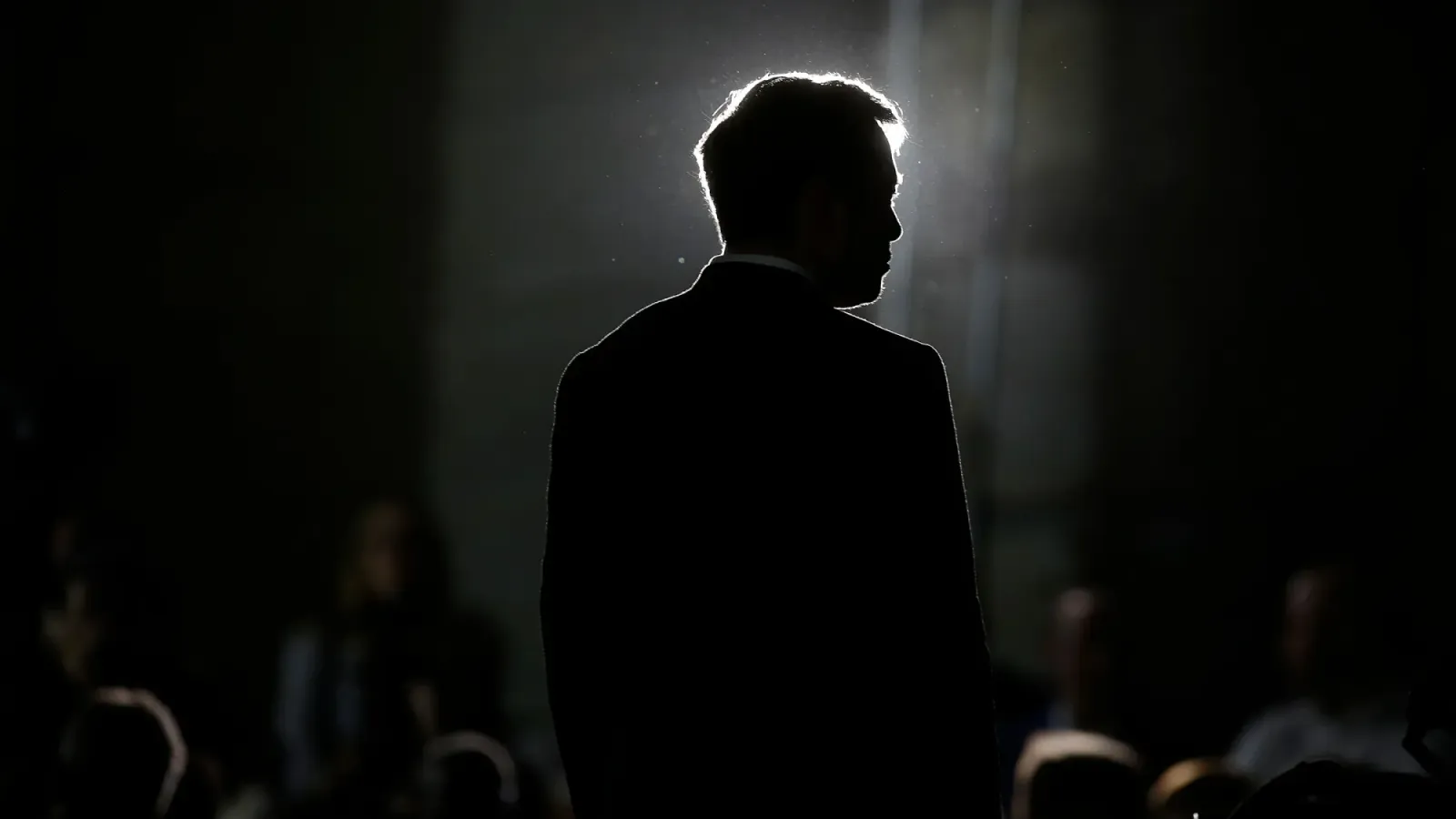
SpaceX chief executive Elon Musk ordered connectivity limits on satellite equipment used by Ukrainian military forces, capping data transmission speeds for terminals moving faster than approximately 160 kilometers per hour.12 The technical restriction, introduced during the second week of October, severely degraded Ukrainian drone operations across active sectors of the front lines.21 Terminals mounted on strike drones, aerial interceptors, and high-speed reconnaissance aircraft dropped offline whenever the vehicles exceeded the speed threshold, rendering high-velocity craft unable to maintain control links with their operators.12
The sudden disruption prompted widespread operational problems for Ukrainian units that depend on low-Earth orbit satellites for real-time targeting and remote flight control.21 While short-range first-person-view drones rely primarily on direct radio frequencies and remained unaffected, longer-range systems and fast interceptors require active satellite data links to function at distance.2 The speed limit struck specifically at aircraft designed to intercept Russian jet-powered attack drones, which fly at speeds near 300 kilometers per hour.2 Ukrainian defense officials noted that interceptors require reliable data connectivity at flight speeds reaching 450 kilometers per hour to track and destroy incoming aerial targets.2
The restriction applied directly to hardware operating on Starshield, a militarized satellite service developed by SpaceX that runs on the company's broader Starlink infrastructure.12 Military forces in Kyiv had deployed thousands of the specialized terminals under contracts supported by the United States government.1 The operational ceiling forced Ukrainian military units to scramble for backup radio relays and inspect hardware for unannounced electronic faults before identifying the satellite connection cap as an intentional network throttle.2
Contradictory explanations emerge from Washington
The speed limitation generated immediate political confusion between corporate leadership at SpaceX and senior officials in the Trump administration. In the days following the operational disruption, both Musk and President Donald Trump issued public statements denying direct responsibility for altering the network settings that affected Ukrainian front-line units.13
Musk stated publicly on October 14 that Starshield systems are owned and controlled by the United States government, arguing that operational usage boundaries do not originate from his commercial enterprise.13 "Starshield systems are owned and controlled by the US government," Musk wrote on social media.13 "Any limits on speed or usage are decided by the US military and ultimately POTUS."13
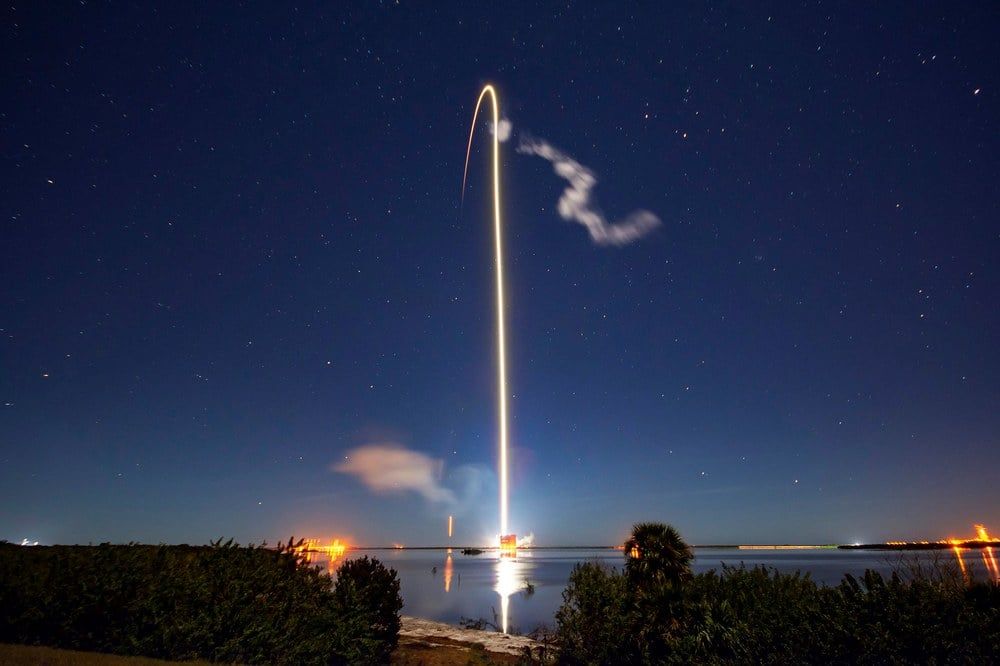
Trump contradicted the assertion that the White House had directed the technical slowdown.12 Speaking to reporters on October 16, Trump insisted his administration had taken no steps to curb Ukraine's satellite access.1 "I didn't do that. No, we didn't do that at all," Trump said.1 "I heard about it through the news, through the media. We didn't slow it down at all."1 Asked again several days later about the source of the order, Trump repeated that he remained unaware of the origin, saying, "I don't know who it was, but I'd like to find out."13
Despite those public denials, internal discussions between corporate representatives and federal officials occurred both before and during the technical intervention. Musk held conversations with senior administration officials, including discussions regarding the president's posture toward Ukrainian military strikes, before setting the technical threshold.13 Following the immediate military fallout in Ukraine, SpaceX representatives contacted counterparts within the White House to coordinate public explanations and contain criticism surrounding the disruption.1
Disputes over Starshield access contracts
The friction surrounding the network throttle also revealed persistent disagreements between senior cabinet members and Ukrainian leadership regarding the nature of the satellite services active in the war zone. Secretary of State Marco Rubio told reporters that Ukraine did not possess operational access to the military-specific Starshield service, asserting that Ukrainian forces were restricted exclusively to standard commercial equipment.12
"I know Ukraine wants access to Starshield. They do not have Starshield now," Rubio said.1 "They've asked for access to it in order to conduct deep strikes inside of Russia."1 Rubio also maintained that the White House had no role in directing operational policies at SpaceX, describing the contractor as an independent entity. "The president has nothing to do with the decisions that are made by Starlink and Starshield and by Mr. Musk. That's a private company," Rubio said.1 "The president doesn't run that company and can't direct that company to do anything."1
Ukrainian officials contested Rubio's account, confirming that their armed forces had long integrated Starshield terminals into active military aviation and communication units.12 SpaceX had accepted a Pentagon contract in August 2024 to provide Ukraine with access to 2,500 Starshield terminals, building upon an earlier agreement that had linked 500 military terminals to the defense-oriented network.1
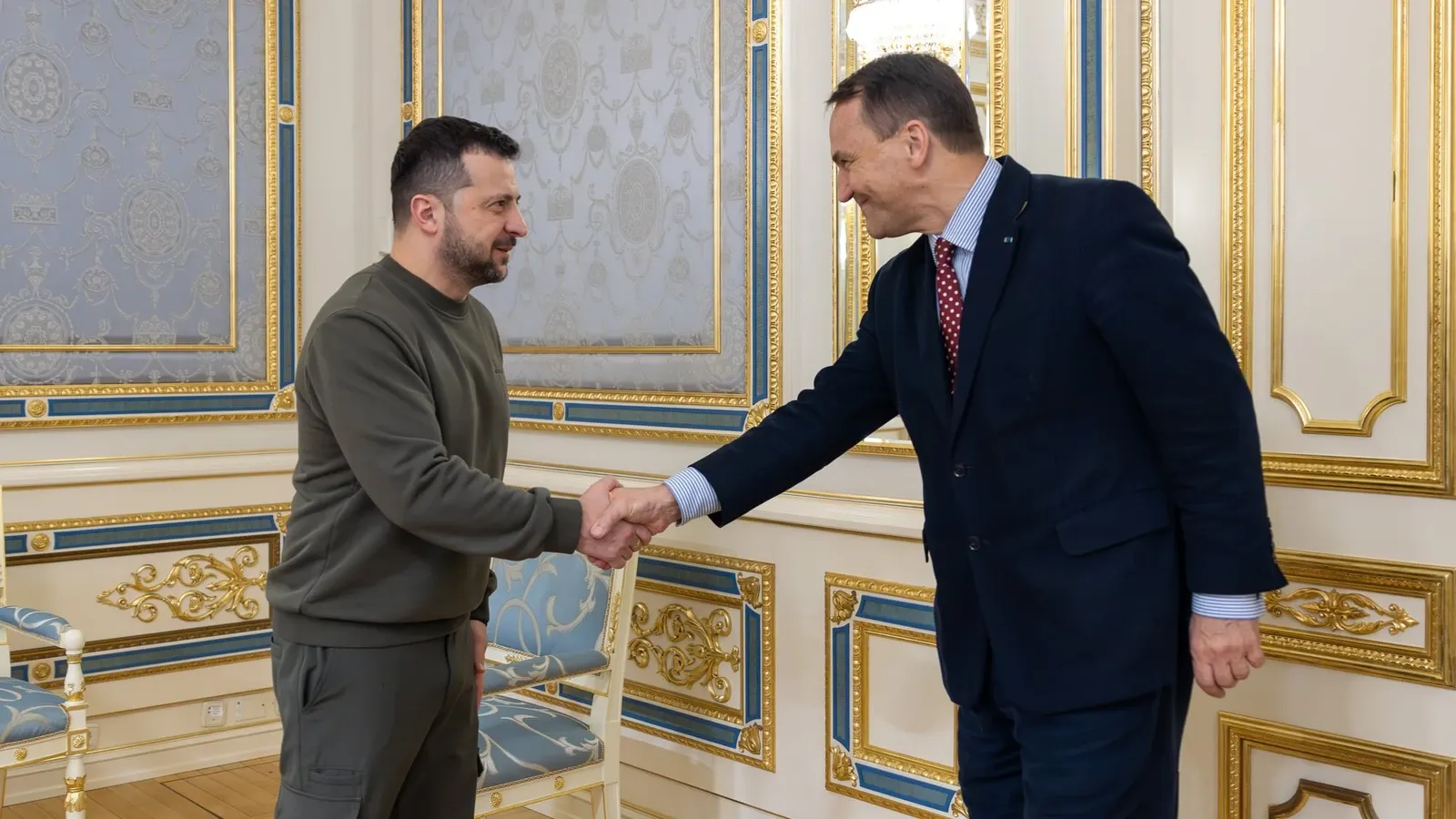
Ukrainian President Volodymyr Zelenskyy addressed the situation directly following discussions with diplomatic officials in Washington, noting that front-line communication systems continued to suffer from unexpected operational constraints.12 Zelenskyy stated that technical units had verified hardware interruptions occurring between 130 and 161 kilometers per hour across multiple combat sectors.1 Zelenskyy's office later confirmed that restoring unrestricted access to both Starlink and Starshield services formed a primary topic during bilateral discussions with Rubio.12
Shifting terms for battlefield connectivity
United States defense officials presented differing interpretations of the restrictions. Defense Secretary Pete Hegseth stated that the United States government had not formally withdrawn Ukraine's authorization to utilize the satellite network, characterizing the friction as a matter of service terms and contractual compliance rather than a punitive disconnection.2
SpaceX has maintained a history of establishing operational boundaries over how Ukrainian forces utilize satellite hardware. In 2023, the company confirmed that it blocked Ukrainian personnel from using standard commercial terminals to control offensive drones, asserting that commercial customer agreements prohibited direct weaponization.1 The later Pentagon agreements for Starshield were intended to resolve those legal and technical constraints by providing a designated defense network overseen by military authorities.1
The introduction of velocity-based network filtering demonstrates how commercial satellite constellations can exert direct operational influence over active combat zones. Because low-Earth orbit satellites provide the only high-bandwidth communications infrastructure capable of surviving intense Russian electronic jamming, battlefield units have limited technical alternatives when software controls limit terminal speed.
Although connectivity for certain mobile units was partially restored on October 15, Ukrainian commanders continued to advocate for complete removal of velocity caps.2 Defense officials in Kyiv maintained that modern aerial warfare requires uninterrupted data transfers at speeds reaching 450 kilometers per hour if domestic interceptor drones are to counter Russian missile attacks and jet-propelled aerial weapons effectively.2
The record
40 sentences trace to 3 sources.
-
1
JB
Jon Brodkin Document · arstechnica.com · 21 Oct 2026 Report: Musk ordered Starlink slowdown in Ukraine, then blamed it on Trump See the source
-
2
KP
Kyiv Post Third-party reporting · kyivpost.com · 21 Oct 2026 Musk Ordered Starlink Slowdown That Disrupted Ukrainian Drone Operations – WSJ See the source
-
3
C
CNBC Third-party reporting · cnbc.com · 20 Oct 2026 Elon Musk ordered Starlink slowdown for Ukraine: Report See the source