Artificial intelligence models test new biological designs across preclinical drug pipelines
Early laboratory trials show modified cellular therapies and automated molecular screening can compress months of routine design into days, though human trials remain years away.
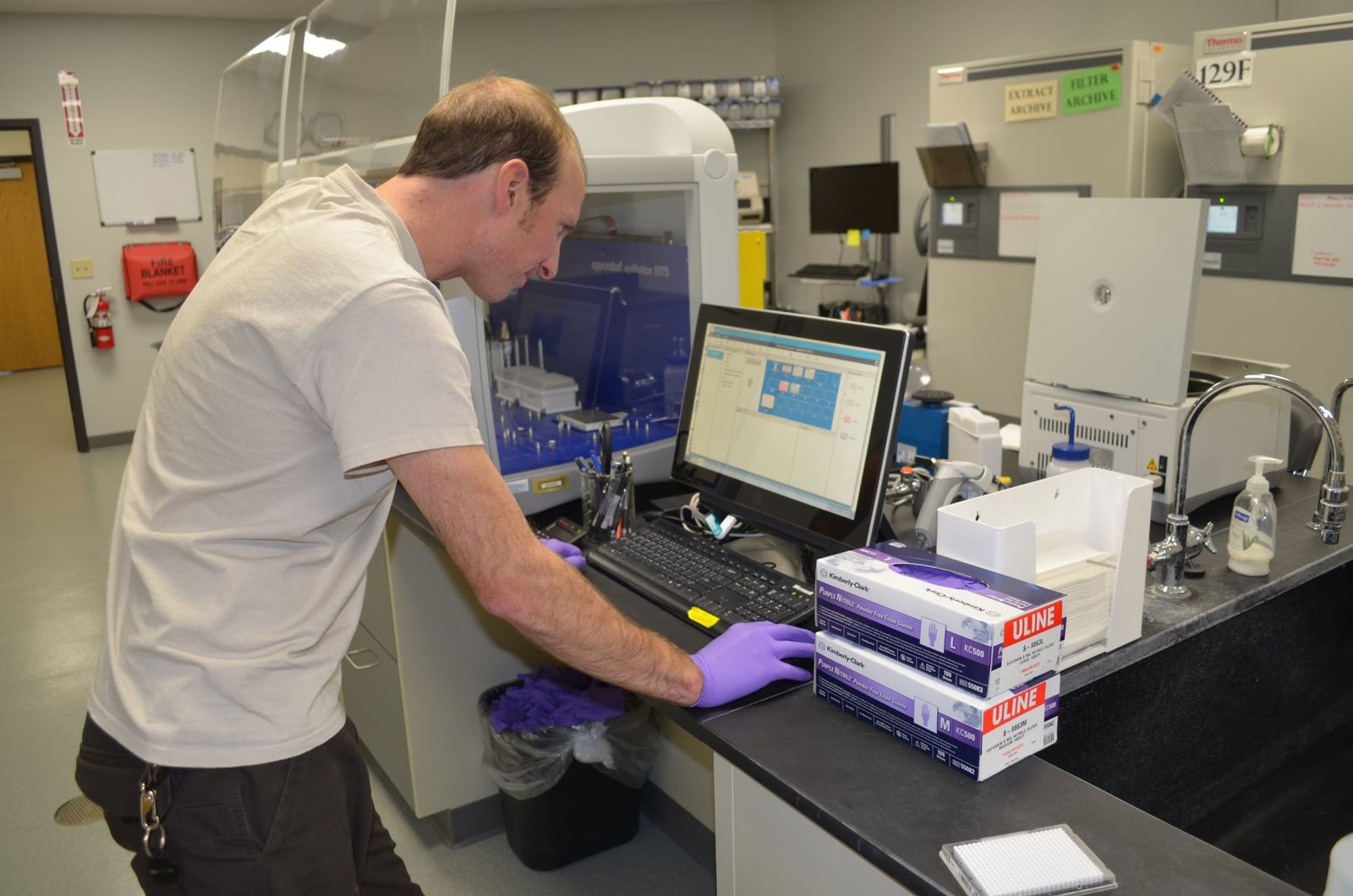
Making a successful medicine requires satisfying several rigid physical demands at the exact same moment. A therapeutic molecule must find a diseased cell, latch onto a target receptor with high chemical affinity, remain stable at body temperature, avoid aggregating into useless clumps, and survive the journey through human circulation. When any single property fails, the compound cannot function as a drug. Because biology operates through intricate three-dimensional shapes governed by molecular physics, modifying a compound to improve one trait frequently degrades another.
Biomedical researchers traditionally navigate this balance through repetitive trial and error in physical laboratories. Chemists synthesise small chemical variations of a promising molecule, wait weeks for automated assays to measure binding affinity or heat tolerance, and adjust the next batch based on partial experimental feedback. Administrative burdens match the experimental delays: every laboratory run, batch validation, and regulatory filing generates thousands of pages of records that human specialists must inspect by hand. These compounding bottlenecks mean discovering and preparing a single candidate therapy routinely demands years of effort before tests in human volunteers can even begin.
To alter this trajectory, computational biologists have begun using neural networks as iterative reasoning partners throughout laboratory pipelines. The working chain follows distinct logical steps. First, automated laboratory instruments measure how experimental proteins behave in physical test tubes. Next, language models inspect the resulting numerical data, identify where conventional laboratory metrics may be misreading protein behaviour, and propose specific amino acid substitutions. Robotic synthesis platforms then manufacture those revised variants to verify whether the structural changes yield the intended stability and binding. Finally, similar software agents review the manufacturing logs to verify that experimental batches satisfy quality thresholds required for preclinical filings.
Anthropic reported early preclinical findings from its life sciences partnerships and internal research initiatives demonstrating how its Claude language model performs across these sequential stages.12 Across collaborations with external biotechnology developers, including BigHat Biosciences, Divergence Labs, Generate Biomedicines, Enveda, and Bristol Myers Squibb, the model proposed revised genetic instructions for cancer immunotherapies, generated candidate antibody sequences for food allergies, and automated quality audits of pharmaceutical manufacturing records.12 The company also disclosed its acquisition of Mithril Medicine, an internal drug discovery programme targeting rare forms of muscular dystrophy.12
How can algorithmic models reshape cellular immunotherapy?
Engineered immune cells can eradicate malignant blood cancers, but adapting them to attack solid tumours requires substantial physical space within their genetic payloads. In conventional chimeric antigen receptor T-cell therapy, known as CAR T-cell therapy, clinicians extract a patient's immune cells and insert synthetic genetic instructions that produce custom surface receptors designed to recognise cancer proteins. The signalling domain that prompts the cell to attack is structurally bulky, leaving limited genetic capacity to insert secondary instructions needed to breach the hostile microenvironment surrounding solid tumours.
To solve this spatial constraint, six scientists at Generate Biomedicines used Claude Code to propose shortened designs for the intracellular signalling region of the receptor.12 According to Anthropic, one refactored design was approximately 70 percent shorter than the standard signalling version.12 In physical cell culture experiments, immune cells carrying this compact genetic sequence produced roughly 10 times as many cancer-recognising surface receptors as standard cells.12 The modified cells also destroyed tumour cells more efficiently in laboratory dishes and sustained their immune activity over longer experimental periods.13
A related molecular campaign at Divergence Labs addressed the cellular mechanisms driving severe food allergies. Allergic reactions occur when immunoglobulin E, an antibody known as IgE, binds to receptors on human immune cells and triggers systemic inflammation. While standard antibody therapies primarily neutralise loose IgE molecules circulating in the bloodstream, Divergence Labs sought to build a dual-action molecule capable of physically prising bound IgE directly off cell surfaces.12 Claude outlined a multi-phase design plan and produced roughly 35,000 antibody sequence designs within about a month.12 Laboratory assays identified 20 candidate molecules capable of dislodging IgE from immune cells, with three variants removing more bound IgE than the approved reference medication omalizumab at concentrations between 25 and 400 nanomolar.21
What happens when computational reasoning enters physical laboratories?
Laboratory instruments frequently generate ambiguous experimental readings that lead scientists down unproductive chemical pathways. At BigHat Biosciences, researchers sought to improve two separate antibody fragments: one engineered to target malignant tumour cells, and a second designed to prolong the circulating half-life of therapeutic proteins in blood.13 Effective drug leads must bind tightly to target receptors while remaining dissolved in liquid solutions without clumping together during production or storage.
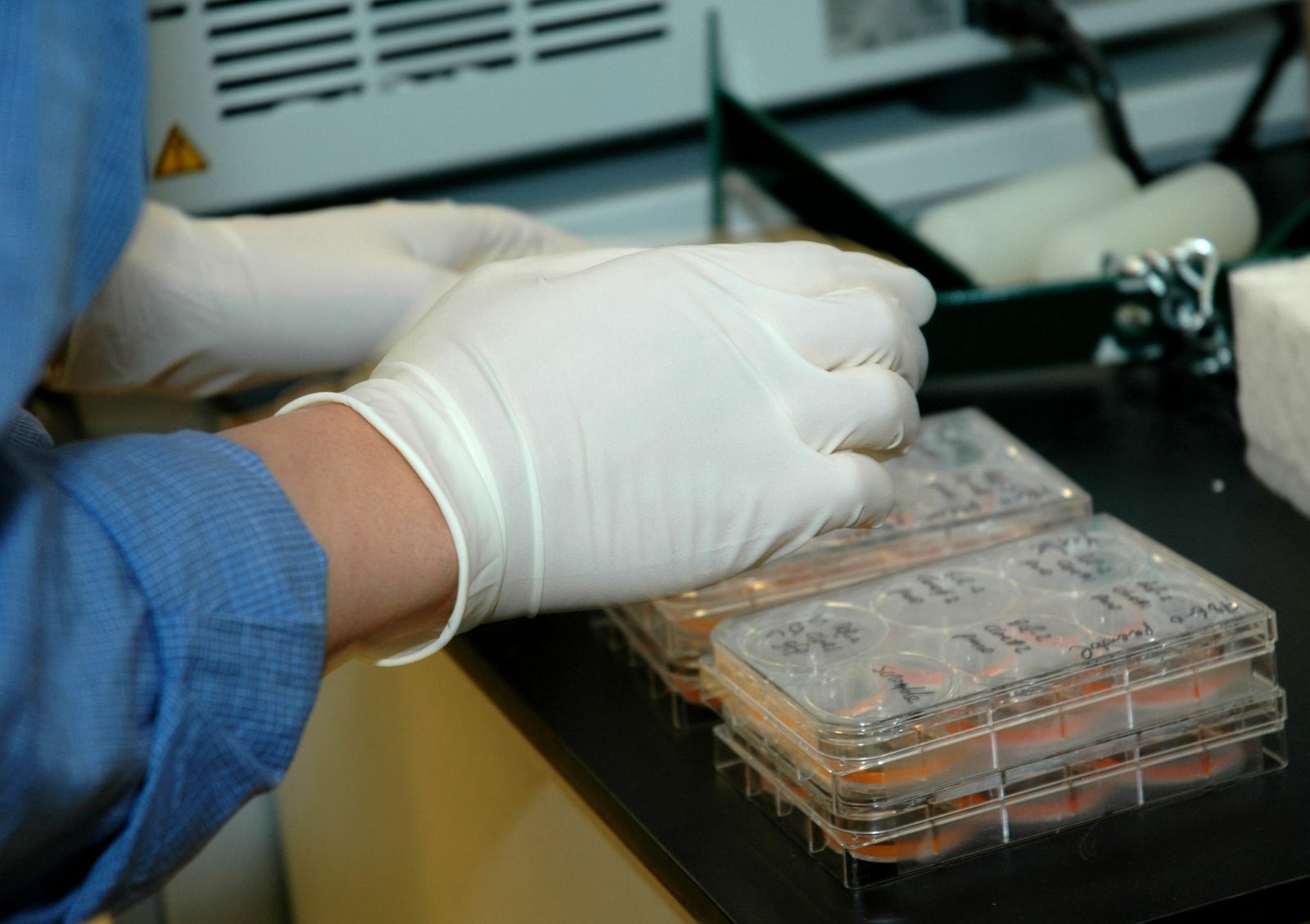
BigHat connected the language model to its automated laboratory data platform, dubbed Reccy, allowing the model to analyse live assay measurements and suggest amino acid substitutions.12 Over a 10-week testing window, the automated facility synthesised and tested approximately 1,010 protein variants.12 During the campaign, an Anthropic researcher and the model examined raw biophysical measurements and concluded that the laboratory's standard metrics for heat tolerance and aggregation were providing misleading readings.13 The model proposed alternative analytical metrics alongside an adjusted laboratory protocol. After BigHat scientists tested the revised method, the resulting molecules confirmed the model's predictions: the cancer-targeting candidate remained in solution at temperatures 18 degrees Celsius higher than the baseline protein, the prolonged-circulation lead aggregated more than 100 times more slowly, and the top variants bound their molecular targets more than 10 times more tightly.14
Administrative procedures in drug development saw comparable automation. At biotechnology company Enveda, synthetic chemists spent up to 75 percent of their daily working hours reviewing regulatory documentation and quality records.15 Enveda connected 1,061 pages of pharmaceutical batch documentation to Claude to evaluate whether automated checks could identify manufacturing anomalies.12 The system detected all 11 compliance issues that human auditors had previously found and flagged seven additional issues that human reviewers had overlooked.13 The automated workflow reduced total human review time by 89 percent, cutting the inspection process from over 25 hours to less than three hours.15 The model also generated initial drafts of two formal regulatory submissions, completing one document in four hours compared to a conventional manual drafting timeline of roughly three months.13
What are the limits of current preclinical evidence?
Every finding reported across these programmes represents preclinical laboratory work that has not been evaluated in living human patients.12 Laboratory improvements in cell cultures or isolated protein assays indicate chemical activity, but they cannot establish whether a molecule will prove safe, metabolically stable, or clinically effective inside the human body. Unforeseen toxicities, rapid liver clearance, and immune rejection routinely eliminate promising candidate molecules once clinical trials commence.
The underlying data also stem entirely from internal corporate evaluations and technical reports that may not have been peer reviewed co-authored by the commercial developers.23 While Generate Biomedicines and Divergence Labs released technical documentation detailing their algorithmic pipelines, the experimental metrics reflect self-reported measurements gathered under specific laboratory conditions. At Enveda, developers noted that their document analysis software operates strictly as an advisory tool rather than a fully validated computerized system under Good Manufacturing Practice regulations, leaving legal and operational accountability entirely with qualified human reviewers.2
Even within operational workflows, automated systems introduce subtle oversight risks. In technical documentation from Mithril Medicine, which Anthropic acquired to advance experimental therapies for rare childhood muscular dystrophies, researchers noted that while human editing caught structural errors in outgoing plans, small quantitative assumptions occasionally escaped human notice during review.2 Cody Tranbarger, the founder of Mithril Medicine, used the model to coordinate experimental schedules across 11 external contract laboratories, advancing an experimental bridging antibody for congenital muscular dystrophy to promising mouse results in less than 18 months.12 Nevertheless, researchers acknowledged that checking text generated by an artificial intelligence model often validates high-level decisions while leaving underlying data premises unverified.
Where does artificial intelligence drug development head next?
The immediate objective for these development initiatives is translating early molecular designs into rigorous animal models and formal clinical trial applications. Anthropic stated that if experimental validation continues successfully, Mithril Medicine expects its muscular dystrophy therapy to enter initial human clinical trials as soon as late 2028.12 Other collaborators, including biotechnology investor The Column Group, are testing whether algorithmic infrastructure can lower operating overhead enough to make neglected disease targets financially viable through newly established ventures such as Pleiades, which has evaluated 45 target-disease pairs.3
At the clinical planning stage, pharmaceutical developer Bristol Myers Squibb has begun deploying the model to evaluate trial protocols and estimate experimental success probabilities for early-stage pipeline drugs.15 Outlining the trial planning work, Michael Pourdehnad, senior vice president and head of early clinical development for hematology, oncology and cell therapy at Bristol Myers Squibb, stated:
“We use Claude at the clinical trial stage to analyze proprietary data, create a clinical study plan, and weigh the study’s chance of success. From a single prompt, Claude generated a robust initial analysis that helped inform our assessment of different development options, which would otherwise take days to complete. We did all of this while ensuring the security of our highly sensitive data. We look forward to expanding this work across our pipeline to support portfolio-level decisions.”15
The broader pharmaceutical industry will judge these computational methods not by the speed of automated sequence generation or paperwork reduction, but by clinical trial milestones. Historically, fewer than 10 percent of drug candidates entering Phase I clinical trials ultimately secure regulatory approval. Demonstrating whether artificial intelligence can improve that ultimate survival rate will require tracking these experimental candidates through years of clinical testing.
The record
32 sentences trace to 5 sources.
-
1
A
Anthropic Document · anthropic.com · 27 Oct 2026 Early progress on accelerating drug development with Claude See the source
-
2
P
Papex Third-party reporting · papex.org · 27 Oct 2026 Anthropic See the source
-
3
T
thestateofai.com Third-party reporting · thestateofai.com · 28 Oct 2026 Anthropic Is Now Running Its Own Drug Discovery Program Alongside Six Drug Developers | State of AI See the source
-
4
硬
硬塞的股份有限公司 Third-party reporting · inside.com.tw · 28 Oct 2026 AI 研發製藥!Anthropic 公布藥物開發初期成果,與 6 家機構合作並啟動自家藥物探索 - INSIDE See the source
-
5
U
Upstox Third-party reporting · upstox.com · 28 Oct 2026 Claude shows promise in cancer research, cuts drug development paperwork by 89%: Anthropic See the source