Macronix exits Nintendo ROM supply to focus on data centers
The Taiwanese chipmaker is ending cartridge memory lines that fell to 5 percent of revenue, forcing Nintendo toward alternative suppliers.
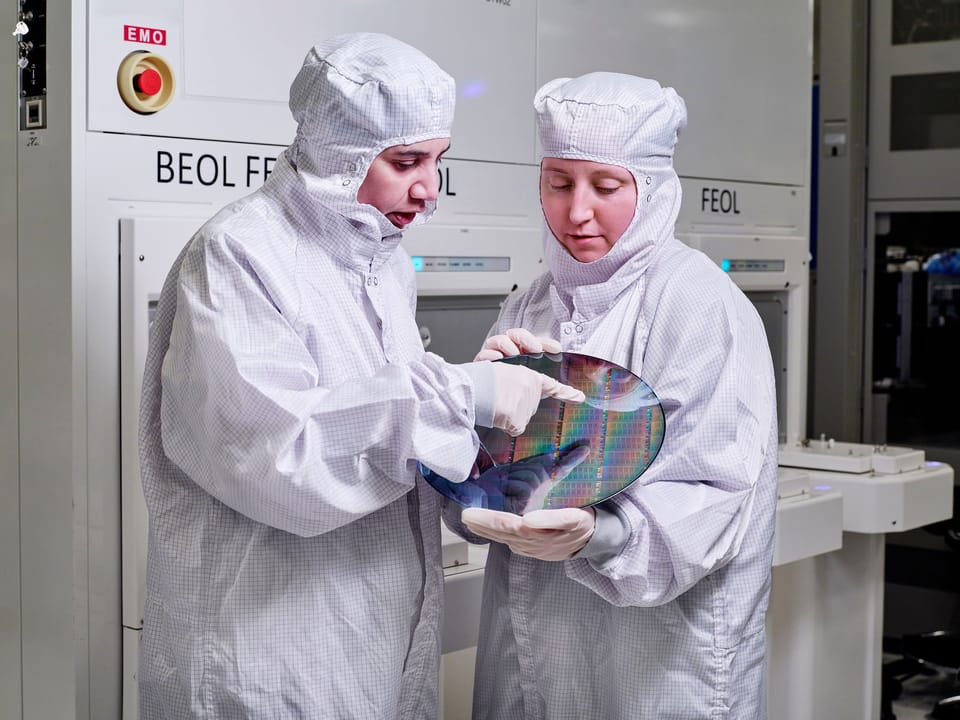
Taiwanese semiconductor manufacturer Macronix announced in its third-quarter earnings report that production of its read-only memory chips has reached its end.12 The chipmaker stated that it will begin gradually decoupling from the gaming industry to reallocate manufacturing capacity toward components supporting artificial intelligence infrastructure.13 The shift removes a primary supplier of the physical game storage components used across Nintendo consoles.12
Industry analyst David Gibson noted that Nintendo has long relied on Macronix as its main memory chip maker for physical game cartridges.12 Macronix reported that read-only memory, historically the storage standard for Nintendo consoles, fell to just 5 percent of total company sales in the third quarter of 2026.142 That represents a 39 percent drop compared to the previous year, when the segment accounted for 26 percent of revenue.152
The manufacturing exit occurs as higher-margin memory types crowd out legacy production lines. Macronix chief executive Miin Wu confirmed the planned phaseout following a quarter in which the company posted a record net profit of $337 million.2 Wu said customer demand has surged for NOR flash memory utilized in data centers.2 The company plans to dedicate existing fabrication lines to NOR and NAND flash products alongside embedded multimedia cards.14

Capacity limits drive legacy chip retirement
Production constraints have forced Macronix to prioritize high-yield contracts over legacy gaming silicon. The company maintains an operational output capped at 25,000 12-inch wafers per month.1 A planned capital expansion of $1.2 billion will require at least a year to begin full operations, leaving existing wafer capacity constrained in the interim.1
With fabrication space strictly limited, low-margin read-only memory occupied silicon space that commands higher commercial returns in enterprise hardware. Macronix confirmed that the third quarter marks the final financial period in which the company will separate read-only memory sales in its earnings disclosures.42 The company intends to conclude all remaining production of the format before the close of the third fiscal quarter of 2026.5
The corporate withdrawal increases component procurement risks for Nintendo, though alternative manufacturing avenues exist. Gibson emphasized that Nintendo continues to maintain procurement relationships with other semiconductor fabricators, including Rohm and Lapis Semiconductor.145 Even so, losing its primary high-volume supplier concentrates production demands onto fewer vendors, creating upward cost pressure on physical cartridge assembly.
Rising production costs and digital shifts
Physical distribution remains a core commitment for Nintendo despite broader industry retrenchment. Nintendo stated last month that it has no plans to abandon physical cartridges in the near term.15 That position separates the company from rival console producers such as Sony, which announced plans to end game disc manufacturing in 2028.5
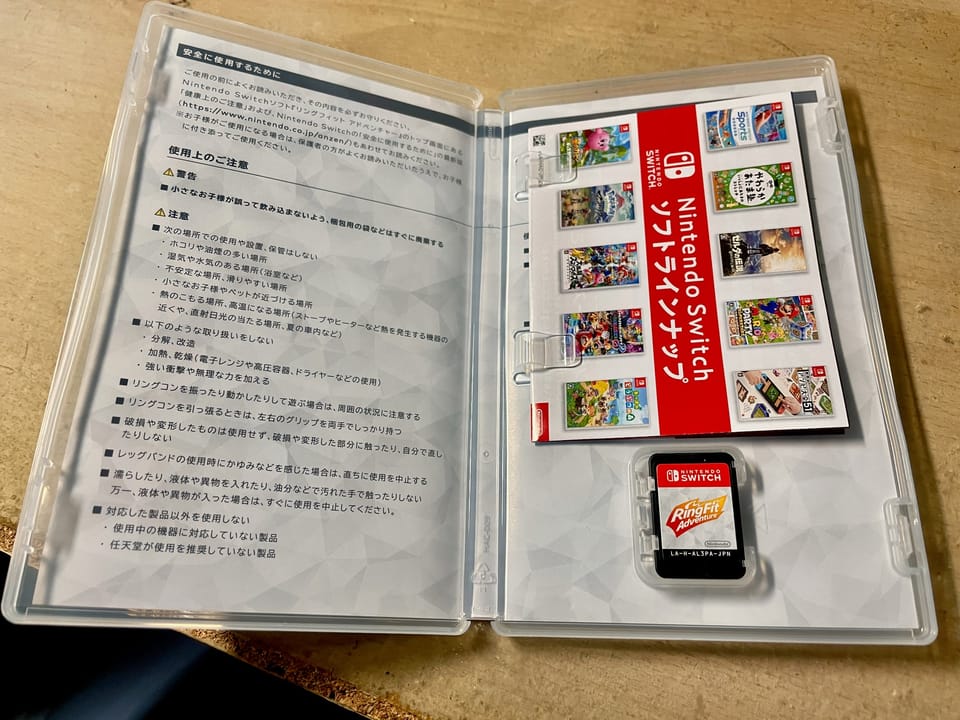
Higher cartridge fabrication expenses have already filtered through to software pricing strategies. Earlier in 2026, Nintendo introduced pricing tiers where select physical cartridge editions retailed above their direct digital download counterparts.1 Independent publishers face similar pressure. Japanese game publisher Inin previously withheld physical distribution commitments for R-Type Dimensions III until Nintendo introduced two smaller storage cartridge capacities designed to lower production expenditures.1
Escalating component costs also threaten to increase the adoption of Game-Key Cards, boxed retail packages that contain download codes rather than silicon game cartridges. Gibson pointed out that rising cartridge manufacturing costs provide commercial incentives for publishers to distribute packaging without memory silicon, bypassing manufacturing expenses entirely.54
A steady consumer migration toward digital downloads cushions the long-term operational disruption. Gibson noted that digital sales accounted for 61.5 percent of Nintendo's software business during the second calendar quarter of 2026, representing a slight increase over the previous year.12 Digital software adoption remains even higher on competing platforms, reaching 85 percent of software transactions on Sony's PlayStation 5 and 96 percent on Microsoft's Xbox ecosystem.2
The supply contraction reflects a broader tightening across consumer technology memory sectors. Upstream demand for artificial intelligence data processing has redirected enterprise wafer allocation across the semiconductor industry. Memory producer Micron took a similar step by closing its consumer-focused Crucial retail division to dedicate fabrication facilities to enterprise memory products.5 For Nintendo, maintaining proprietary physical media will require navigating an increasingly expensive semiconductor market.
The record
22 sentences trace to 5 sources.
-
1
KO
 Kyle Orland
Document
· arstechnica.com · 4 Nov 2026
Nintendo's biggest ROM chip supplier is bowing out of the business
See the source
- 2 Nintendo See the source
- 3 Nintendo ROM chip supplier Macronix quits to focus on chips for AI data centers, reports indicate — Game-Key cards may increase as large game storage chips become more expensive See the source
- 4 Switch Cartridges Under Threat As Key ROM Manufacturer Exits Business See the source
- 5 One of Nintendo's Switch and Switch 2 cartridge manufacturers is exiting the business, which could make physical games more expensive and result in even more controversial Game-Key Cards See the source