Mark Lanier pursues tech giants under product liability law
Following a multibillion-dollar settlement with Meta, the trial attorney argues courtroom pressure on platform design will force corporate concessions.
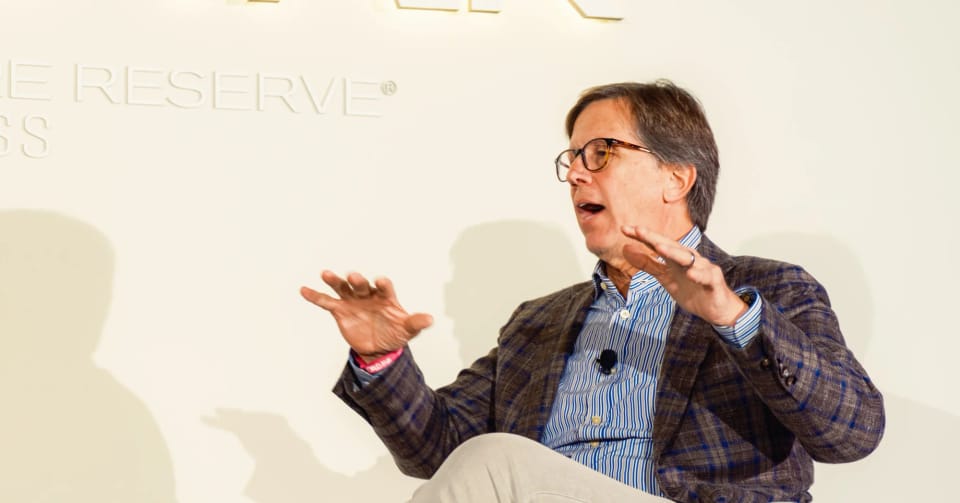
Lawsuits confronting major technology platforms are shifting from disputes over online speech to fights over product engineering. Rather than challenging the content hosted on social networks, trial attorney Mark Lanier has advanced a legal theory that treats platform architecture as an alleged defect under state product liability law.12
Speaking on stage in Miami on Wednesday, Lanier argued that sustained litigation remains the primary mechanism for forcing structural adjustments inside companies whose scale often insulates them from conventional fines.23 When asked what would be required to hold technology corporations accountable, Lanier offered a blunt assessment of courtroom leverage: "I think it just takes beating the tar out of them."2
Lanier served as lead counsel in the first social media addiction case to reach a jury trial, which concluded with a verdict against Meta Platforms and Google in March 2026.21 In that proceeding, held in Los Angeles County Superior Court, jurors evaluated claims brought by a 20-year-old California woman identified in court records as K.G.M.1 The plaintiff testified that she began using YouTube at age 6 and Instagram at age 9, developing severe anxiety, depression, and body dysmorphia that she attributed to algorithmic recommendations, beauty filters, and push notifications.1
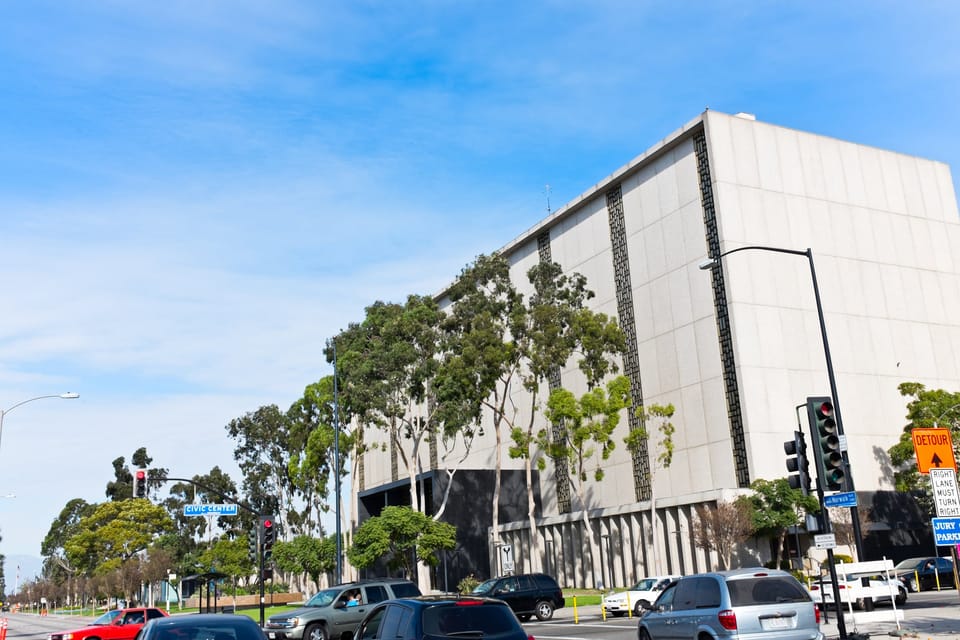
The California jury determined that the platforms were a substantial factor in the plaintiff's mental health harm, finding Meta 70 percent responsible and YouTube 30 percent responsible.1 Jurors ordered the companies to pay more than $3 million in compensatory damages, and the case resulted in an overall award of $6 million in damages.12 The jurors also affirmed on their verdict form that both companies had acted with malice, oppression, and fraud, clearing the way for punitive damages proceedings.1
Sidestepping federal speech shields
For three decades, internet companies have turned to Section 230 of the Communications Decency Act to dismiss civil lawsuits over user-generated material.1 Lanier and his co-counsel structured their cases around product design rather than speech, alleging that the digital mechanisms engineered to drive daily user engagement constitute defective consumer products under California law.1
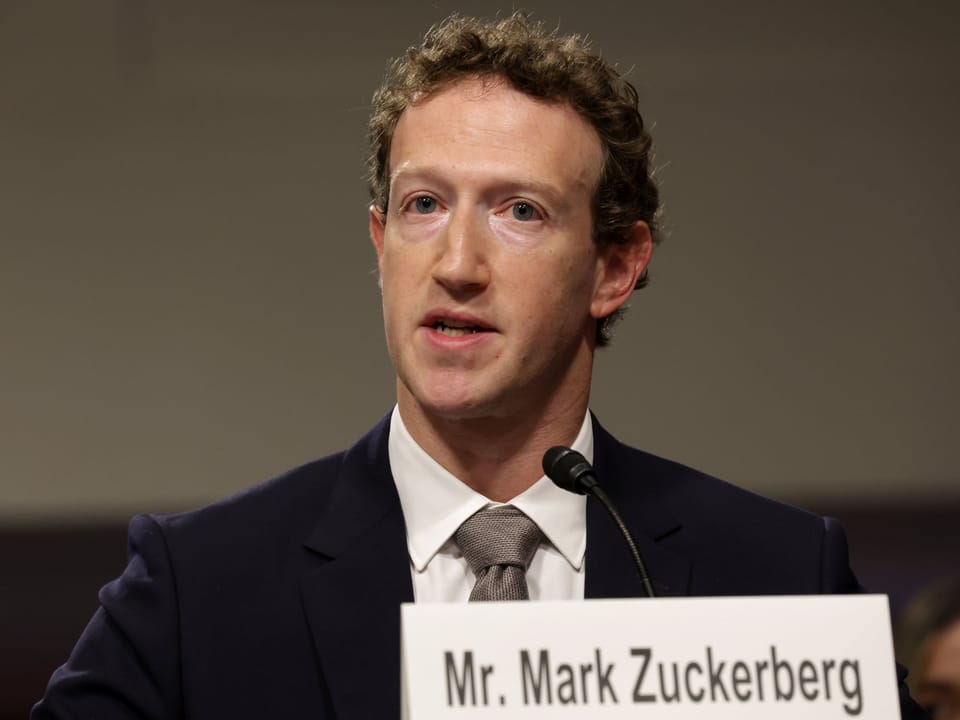
During the Los Angeles trial, Meta chief executive Mark Zuckerberg testified for roughly eight hours across Feb. 18 and 19, marking his first appearance before a jury on child safety issues.1 Internal company records presented during cross-examination indicated that as of 2015, Meta estimated more than four million children under the age of 13 used Instagram, accounting for roughly 30 percent of all 10- to 12-year-olds in the United States.1
Testimony from platform executives underscored the tension between engagement revenue and user welfare. Adam Mosseri, the head of Instagram, testified that while 16 hours of daily app use by an adolescent could be considered "problematic," it should not be categorized as "clinically addictive."1 Mosseri acknowledged in his testimony that the platform's advertising revenue model relies directly on aggregate user engagement.1
Plaintiffs also introduced a Meta-sponsored study of 1,000 adolescents finding that teenagers with prior trauma proved most vulnerable to compulsive app habits, and that standard parental controls failed once dependency took hold.1 Additional internal messages entered into the trial record revealed an employee describing Instagram as "like a drug" while referring to the company as "basically pushers."1
Public pressure and institutional settlements
The individual trial in Los Angeles formed the leading edge of a consolidated proceeding involving more than 1,600 plaintiffs, alongside a federal multidistrict docket of more than 2,300 cases pending in the Northern District of California. Earlier defendants TikTok and Snap resolved their individual claims with the plaintiff under confidential terms before the March trial began.1
Lanier noted that actions brought by state attorneys general possess the capacity to extract broader operational commitments.2 In August 2026, state attorneys general took Meta to trial over youth safety allegations, with Lanier's firm acting as outside counsel for Arkansas.2 Days into the proceeding, Meta agreed to a settlement worth up to $16.7 billion distributed across 51 states and territories.2 Under the pact, Meta pledged specific interface modifications, including a default two-hour daily limit on teenage accounts across Instagram and Facebook.2 TikTok had consented to similar time restrictions in an Alabama settlement in September.2
Lanier acknowledged that financial penalties alone rarely threaten companies valued at $1.7 trillion.2 However, he maintained that public exposure generated by civil discovery shifts internal sentiment and consumer expectations.2 "I am not here because I'm bored on a Wednesday," Lanier said during his appearance in Miami.23 "I'm here because I want everybody to know what these companies do—because that type of pressure will help change everything."2
The record
27 sentences trace to 3 sources.
- 1 Jury Hits Meta and YouTube with $3 Million Compensatory Verdict in Landmark Social Media Addiction Trial See the source
-
2
W
 WIRED
Document
· wired.com · 4 Nov 2026
The Lawyer Holding Big Tech Accountable by ‘Beating the Tar Out of Them’ in Court
See the source
-
3
W
WIRED
Third-party reporting
· wired.com · 19 Sep 2026
Join the WIRED World Fair in Miami on November 4
See the source