Raleigh tenant evicted after landlord software approved delayed payment
A North Carolina property management company removed a resident early despite automated correspondence approving a month-end extension.

A tenant in North Carolina was evicted from her apartment days after receiving written confirmation from her property management system that she could defer an overdue balance until the end of the month.12
Laura Mack, who lived at Colony Townhome Apartments in Raleigh, fell behind on rent after taking unpaid leave from work for a medical operation.31 On November 8, she received an email inquiring when she could clear her outstanding balance of $3,934.17.12 Mack proposed settling the account on November 30.13 An automated response generated under the apartment complex name appeared to accept the date directly: “Paying on November 30, the last day of the month, works.”12
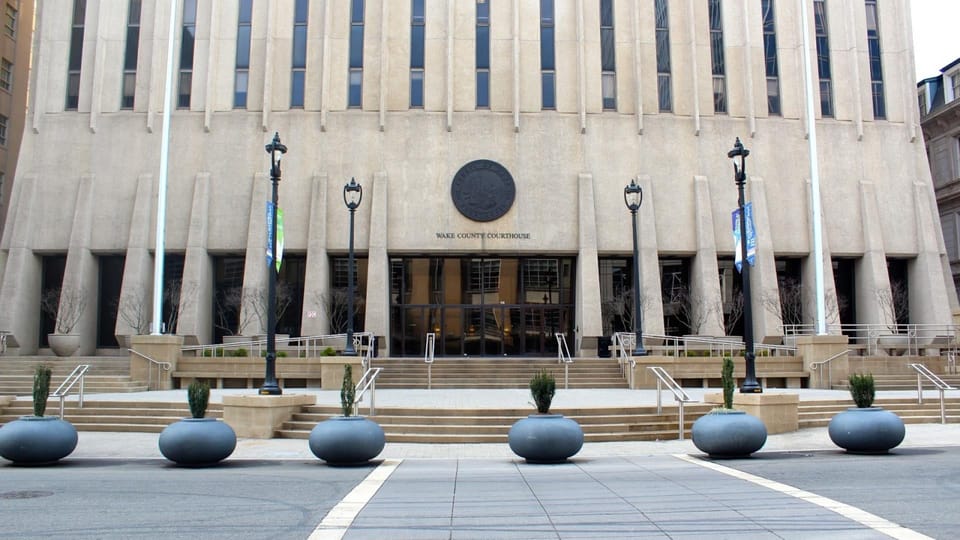
Eight days later, on November 16, Mack was served with an eviction notice giving her three days to vacate the premises.13 County authorities carried out the physical lockout on November 19, eleven days before the deadline stated in the digital message.12 Mack went to the Wake County courthouse to dispute the removal order, but the court action did not halt the enforcement.14 By November 21, she was staying in a local hotel.15
Automated reassurances and conflicting human instructions
The conflict centers on Colony Townhome Apartments’ deployment of an artificial intelligence virtual assistant named Olivia.13 Property management introduced Olivia to residents in December 2025 as an automated communication system designed to answer tenant inquiries about rent schedules and property maintenance around the clock.21
Mack had been in contact with the digital system regarding ongoing maintenance issues in her apartment.32 On October 31, she submitted a report about a ceiling leak in her downstairs bathroom through the chat portal.32 While a maintenance technician inspected the damage within an hour, the physical repairs were not completed until November 12.32 Mack believed that the prolonged maintenance issue contributed to property management granting her temporary leniency on her rent schedule.32
The critical exchange took place on November 8, when an email inquired about her payment plan.13 Unlike regular automated notifications that carried software branding, the November 8 messages bore no explicit label identifying an automated agent.21 The email was signed “Best regards, Colony Townhome Apartments” and included references to her unit and the hole in her ceiling, noting sympathy for the disruption.21 Mack believed she was negotiating directly with leasing staff.21
After receiving the apparent written confirmation, Mack contacted the leasing office to confirm the details.32 Staff informed her that the automated system had made an error and lacked the authority to postpone eviction actions.32 A spokesperson for Colony Townhome Apartments, Alfred Leach, stated that staff informed Mack on November 18 that a payment arrangement would not alter the court-ordered lockout.31 Leach stated that the management company was gathering information about the dispute and intended to provide a formal update.12
The threshold between customer chat and binding contracts
The Raleigh dispute exposes a widening legal vulnerability for businesses adopting conversational software in core administrative functions. When automated agents handle consumer accounts, company liability often turns on whether the software operated with apparent authority. If an automated message is indistinguishable from communication by human staff, consumers argue that the resulting commitments bind the company.
Colony Townhome Apartments has not stated whether leasing employees reviewed the automated email chain before executing the lockout order, nor whether court eviction filings had already been initiated prior to November 8.14 Property managers frequently employ automated messaging to accelerate collections while legal departments simultaneously process unlawful detainer proceedings in district courts. When automated agents make independent assurances without verifying court schedules, tenants face abrupt lockouts while believing they hold valid payment agreements.
The Raleigh incident echoes a 2024 regulatory dispute in British Columbia, where the Civil Resolution Tribunal determined that Air Canada remained legally liable after its website chatbot provided a passenger inaccurate information regarding bereavement fare discounts.15 The tribunal rejected the carrier’s defense that the automated assistant constituted an independent entity responsible for its own statements, establishing that companies bear legal accountability for representations made through their digital customer interfaces. While foreign tribunal rulings do not set binding legal precedent in North Carolina courts, the reasoning demonstrates how judicial bodies evaluate corporate responsibility for automated statements.

State legislative efforts toward mandatory bot disclosure
In North Carolina, the dispute has refocused scrutiny on corporate disclosure standards. North Carolina state Senator Jim Burgin, a Republican representing Harnett County, has criticized the absence of visible disclosures identifying automated communication tools.21 Burgin has argued that customer-facing software must clearly identify itself to consumers before any substantive negotiation occurs.
Burgin previously introduced legislative proposals known colloquially as the Bot Bill, which would require businesses operating within North Carolina to disclose whenever an individual is interacting with artificial intelligence software rather than a human representative.12 The measure was introduced in three consecutive legislative sessions without advancing out of committee, but Burgin announced intentions to reintroduce the statutory requirements in the upcoming legislative term.21
Burgin stated that disclosure rules alone cannot resolve corporate accountability when administrative software delivers substantive financial commitments. He noted that businesses using autonomous communication agents must maintain human verification protocols before executing legal penalties against consumers. In Mack’s case, property records and automated correspondence remained disconnected from courthouse enforcement, leaving the tenant displaced while management reviewed its digital logs.
Operational risks in automated property operations
Commercial landlords and multifamily management companies have embraced conversational agents to reduce operating expenses and triage maintenance calls across thousands of rental units. Virtual leasing agents handle scheduling, collect routine payments, and provide rapid responses to basic tenant inquiries without human labor costs.
The breakdown at Colony Townhome Apartments demonstrates the administrative danger of granting autonomous systems write access to rent collection workflows without strict procedural controls. When communication bots lack hard constraints preventing them from discussing dates or modifying payment deadlines, the risk of misstatement falls heavily on individual tenants who face court-enforced eviction.
Mack acknowledged responsibility for falling behind on her contractual rent but argued that property managers must accept accountability for commitments issued under their corporate letterhead.12 She remains displaced in temporary lodging while evaluating potential legal remedies, as the management company reviews its internal communication logs.13
The record
30 sentences trace to 5 sources.
- 1 Woman Evicted After Landlord’s AI Assistant Allegedly Said She Could Delay $3,934 Rent Payment See the source
- 2 Raleigh tenant is evicted after rent extension she says came from landlord’s AI See the source
- 3 Woman Evicted From Home After AI Chatbot Olivia Promised More Time to Pay Rent - Pulptastic See the source
- 4 Woman evicted after landlord's AI assistant told her she could delay rent: explained simply · AIPulsee See the source
- 5 Landlord See the source