Global copper mine output falls 1.1% on Chilean disruptions
Declining ore grades and mine suspensions wiped 600,000 tonnes from major producers this year, pushing spot prices up 47% over twelve months.
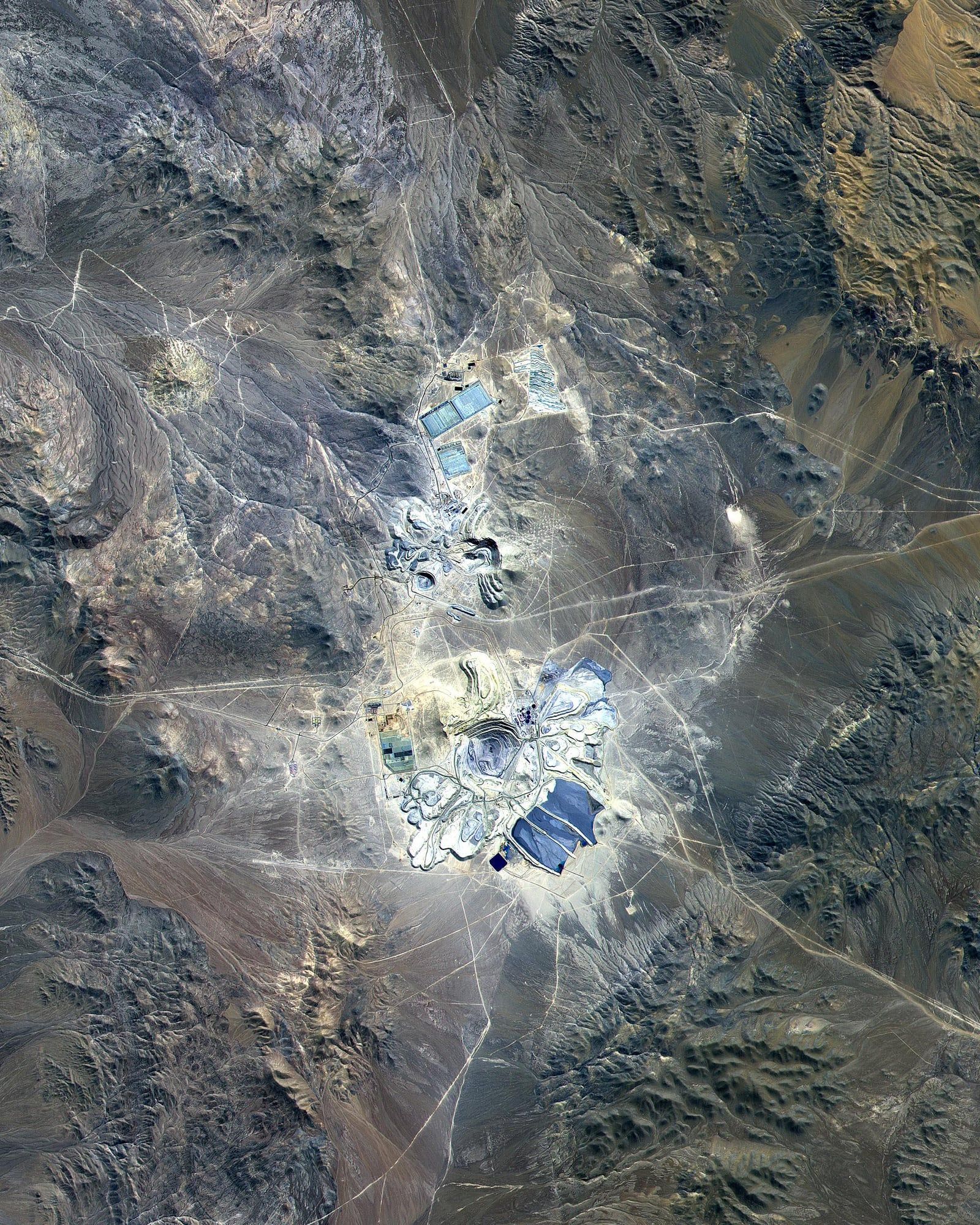
Global copper mine production fell 1.1% during the first six months of 2026 compared to the same period a year earlier, threatening the first annual contraction in worldwide mine supply since 2017.12 Supply bottlenecks across key mining basins have curbed extraction just as power grids, artificial intelligence data centers, and military procurement accelerate consumption of the red metal.12
Severe operational setbacks removed roughly 600,000 tonnes of expected production this year from two of the world's largest assets, Freeport-McMoRan's Grasberg operation in Indonesia and Ivanhoe Mines' Kamoa-Kakula complex in the Democratic Republic of Congo.1 That volume represents roughly 2.5% of total annual global mine supply, according to an assessment by Sprott Asset Management.1
The contraction has hit Chile hardest, which accounted for approximately 23% of worldwide mine output last year.12 Mined volume in the country slid 6.6% across the first half of the year and fell 9.4% year over year in July.1 The state copper commission Cochilco lowered its full-year Chilean output projection to 5.27 million tonnes, representing a 2.6% reduction from 2025.1
State and private miners falter
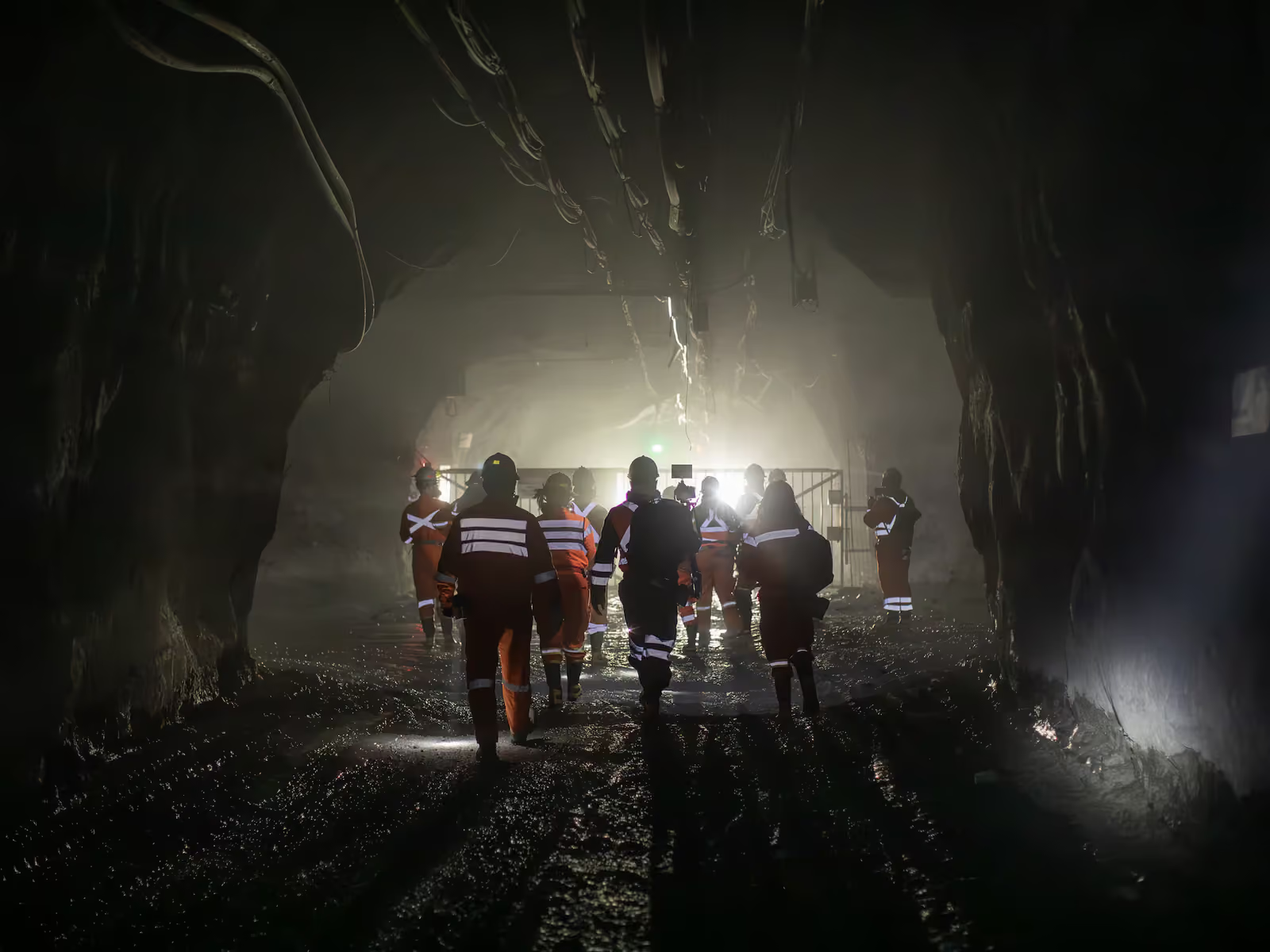
Chilean state producer Codelco abandoned its annual production target of 1.33 million to 1.36 million tonnes following multiple operational disruptions.13 Its first-half output fell 11% to 564,000 metric tons, down from 634,000 tons in the prior year period.3 Development work at the Andes Norte sector of the El Teniente underground mine remains suspended following a fatal accident and could stay offline for up to two years.14 Heavy winter storms also restricted operations, with storm damage at El Teniente trimming output by an estimated $7.5 million per day.51
Private operators in Chile experienced similar setbacks.1 Antofagasta produced 285,000 tonnes of copper in the first half of 2026, dropping 9.5% from 314,900 tonnes delivered in the first half of 2025.45 Iván Arriagada, chief executive of Antofagasta, cited thinner ore grades, reduced processing rates at Los Pelambres and Centinela, and scheduled pipeline maintenance. Antofagasta and Lundin Mining lowered their 2026 production forecasts, erasing a combined 35,000 to 55,000 tonnes of anticipated volume.1
At Escondida, the world's largest copper mine, operator BHP expects annual output to slide from 1.26 million tonnes in fiscal 2026 to between 1 million and 1.1 million tonnes in fiscal 2027.15 The drop comes despite record concentrator throughput, caused entirely by falling ore grades in the deposit.1
Tariffs distort refined stockpiles
While mine production stalled, refined cathode supplies registered a modest statistical surplus of 131,000 tonnes in the first half of 2026, according to International Copper Study Group figures.1 However, regional distribution has grown severely distorted by trade policy.1
United States cathode imports surged to a record 223,000 tonnes in July, far above the typical historical monthly range of 37,000 to 80,000 tonnes.1 Inventories on the COMEX exchange jumped 712% between February 2025 and August 2026 as physical traders moved cathode into American warehouses ahead of proposed import duties.1 The United States Commerce Department recommended import duties of 15% beginning in January 2027 and 30% from 2028.1

The concentration of metal in North American warehouses drained physical availability in competing industrial hubs. Inventories in London and Shanghai declined, forcing smelters in China to rely on scrap metal to fulfill domestic manufacturing requirements.12 Spot copper prices climbed 47% during the 12 months through August 2026, reaching record levels.12
Long development cycles limit response
Mining companies cannot easily accelerate output to take advantage of higher prices. Jacob White, director of ETF product management at Sprott Asset Management, said in a report that copper projects require an average of 17.5 years to advance from initial discovery into active commercial extraction.1
“Higher prices improve project economics, but they cannot compress every stage of development or quickly replenish the discovery pipeline,” White said.1
The structural supply limit comes as global copper demand is forecast to expand roughly 50% by 2050.2 S&P warned this year that failing to bridge the widening gap between mine capacity and industrial demand would pose a systemic risk to the broader world economy.2
What this rests on
27 sentences trace to 5 sources.
-
1
M
mining.com Third-party reporting · mining.com · 18 Sep 2026 Copper mine supply risks first decline since 2017: Sprott See the source
-
2
JG
Jeronimo Gonzalez Document · semafor.com · 21 Sep 2026 Copper production falls, leading to concerns over longterm supplies See the source
-
3
K
kitco.com Third-party reporting · kitco.com Codelco posts stronger profit on copper rally as mine disruptions drag on output See the source
-
4
R
riotimesonline.com Third-party reporting · riotimesonline.com · 17 Jul 2026 Antofagasta’s Copper Output Drops 9.5% in First Half on Lower Ore Grades See the source
-
5
C
cruxinvestor.com Third-party reporting · cruxinvestor.com Chile's Copper Output Falls Short of Growth Expectations, Testing Future Copper Supply - Article | Crux Investor See the source