Central Bank of Nigeria cuts rate to 23 percent
The 350 basis point reduction marks the country's steepest policy easing since 2007 following three consecutive months of slowing annual inflation.
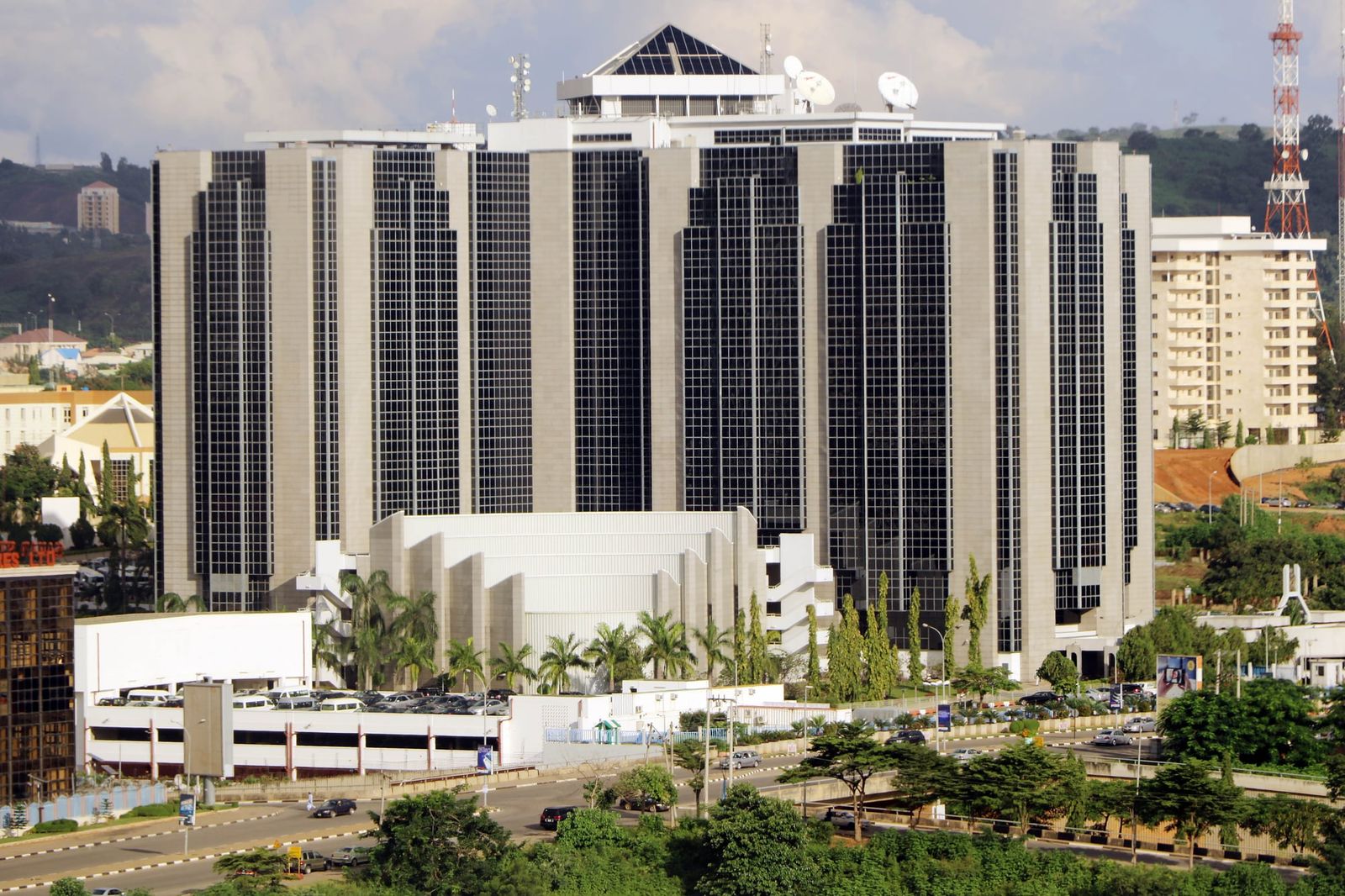
The Central Bank of Nigeria reduced its benchmark interest rate by 3.5 percentage points to 23 percent on September 22, 2026, marking the country's largest monetary policy easing in nearly two decades.123 The reduction was decided during the 307th meeting of the Monetary Policy Committee in Abuja, concluding a two-day session led by central bank governor Olayemi Cardoso.32 The decision ended a four-month period of holding the benchmark borrowing cost at 26.5 percent.34
Policymakers framed the adjustment as an operational shift rather than a retreat from their broader inflation targets. The Monetary Policy Committee adjusted the asymmetric corridor around the Monetary Policy Rate to +50/-300 basis points from +50/-450 basis points.34 The narrowing of the standing facilities band was intended to discourage commercial lenders from leaving surplus liquidity parked at the central bank and to encourage credit flow into the private economy.4
Cardoso said the committee acted to address growing divergences between actual interbank trading rates and the official benchmark.54 In official statements following the session, the central bank said the recalibration of the corridor did not constitute a change in monetary policy stance, but represented an operational reset to enhance the effectiveness of policy transmission while supporting the shift toward an inflation targeting framework.4

The rate cut brings the Monetary Policy Rate to its lowest recorded level since February 2024.23 The benchmark lending rate had peaked at 27.5 percent in late 2024 following an aggressive cycle of interest rate increases designed to combat double-digit price increases.53 The central bank had previously trimmed the rate by 50 basis points in February 2026 before leaving it unchanged during its May and July policy meetings.34
Reserve ratios and banking requirements
Alongside the reduction in the headline rate, the central bank held its key statutory balance-sheet ratios steady. The Cash Reserve Requirement for commercial deposit money banks was maintained at 45 percent, while the requirement for merchant banks remained at 16 percent.34 Public-sector deposits outside the Treasury Single Account remained subject to a mandatory 75 percent cash reserve ratio, and the banking system's liquidity ratio was left unchanged at 30 percent.35
The decision to leave reserve ratios elevated reflects persistent caution inside the central bank. Nigeria has experienced intense domestic price inflation over the past three years after the federal government removed universal fuel subsidies, a reform that caused immediate price shocks across retail transport, electricity, and basic consumer goods.1
Recent statistical indicators, however, provided monetary authorities with sufficient leeway to ease financing conditions. Data released by the National Bureau of Statistics showed headline annual inflation fell to 15.39 percent in August 2026 from 15.43 percent in July, extending a steady deceleration from 15.91 percent in June and 15.93 percent in May.45 Month-on-month consumer inflation dropped sharply to 0.71 percent in August from 1.57 percent in July, registering its lowest reading since March.25

Market reactions and fiscal implications
Commercial analysts indicated that lower benchmark borrowing costs could provide immediate balance-sheet relief to corporate borrowers across Nigeria. Lagos-based investment bank CardinalStone said in an analytical note that the cut should assist debt-burdened companies in refinancing existing bank liabilities and securing new capital on more affordable terms.1 Economists noted that several corporate sectors had struggled under debt-servicing costs when prime lending rates exceeded 26 percent.
The policy shift is also expected to ease budgetary pressures on public finances. Nigerian economist Bismarck Rewane said the rate cut could directly reduce domestic debt service obligations for the federal government, which has allocated a large share of its fiscal revenues to servicing naira-denominated bonds and treasury bills.1
Currency dynamics have supported the central bank's policy adjustment. David Omojomolo, an economist at Capital Economics, said rising export revenues from oil and gas shipments have strengthened the naira in foreign-exchange markets, providing monetary authorities with additional latitude to pursue rate cuts without precipitating a sharp currency depreciation.1
Risks to the disinflation trajectory nevertheless persist across the domestic economy. Recent increases in domestic retail fuel prices threaten to place fresh upward pressure on transport and food distribution expenses.4 International crude price swings, linked to geopolitical instability in the Middle East that began earlier in the year, also present external cost pressures for domestic refiners and importers.45
What this rests on
20 sentences trace to 5 sources.
-
1
AO
Alexander Onukwue Document · semafor.com · 25 Sep 2026 Nigeria announces largest rate cut in two decades See the source
-
2
NI
Nigeria Info, Let's Talk! Third-party reporting · nigeriainfo.fm · 22 Sep 2026 CBN Cuts Interest Rate to 23% See the source
-
3
C
cbn.gov.ng Official record · cbn.gov.ng Monetary Policy Decisions | Central Bank of Nigeria See the source
-
4
P
premiumtimesng.com Third-party reporting · premiumtimesng.com · 22 Sep 2026 CBN cuts interest rate to 23% See the source
-
5
T
tradingeconomics.com Third-party reporting · tradingeconomics.com Nigeria Interest Rate See the source