UBS weighs foreign exit after Swiss lawmakers advance capital rules
A parliamentary vote advancing a 90% capital backing rule on foreign subsidiaries could force the lender to raise $16 billion.
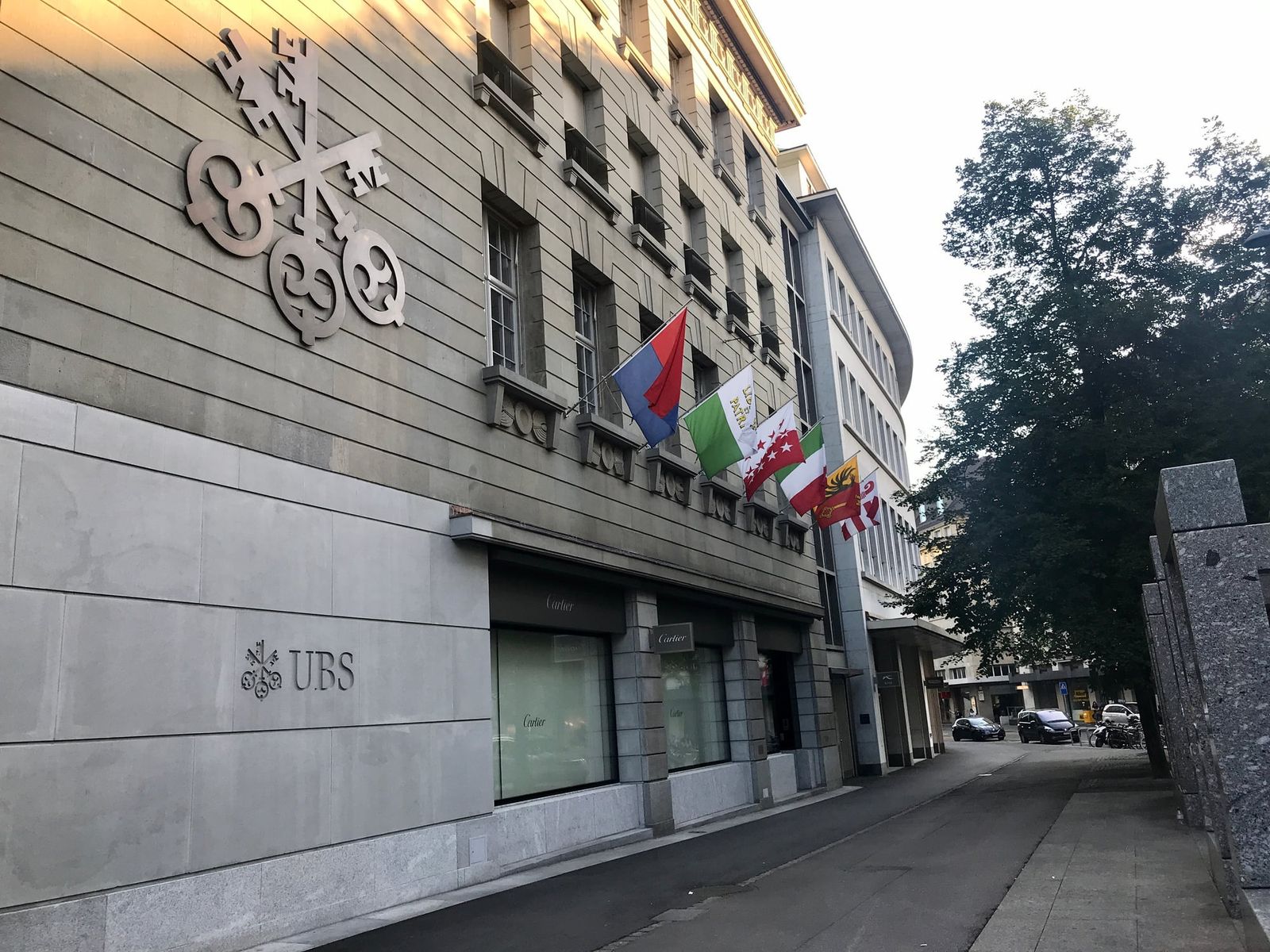
UBS senior leadership has reopened internal deliberations on moving the bank away from Swiss regulatory oversight, including through a potential combination with an international peer, following legislative action in Bern this week.1 The renewed scrutiny over the group's domicile follows a decision by the Swiss parliament to push ahead with tighter capital standards for the country's largest financial institution.21
Lawmakers in the upper house of parliament voted on Wednesday to advance a regulatory framework that would require UBS to back 90% of its foreign subsidiaries with top-tier capital.32 The measure is part of a broader government effort to overhaul Switzerland's too-big-to-fail regime after UBS absorbed its failing cross-town rival, Credit Suisse, in an emergency rescue in 2023.32
Under the proposal endorsed by the upper chamber, UBS would need to hold common equity tier 1 capital against 90% of the value of its foreign operating units.32 According to internal bank calculations, that requirement would generate approximately $16 billion in additional common equity tier 1 capital demands.3 The legislative package now heads to the lower house of parliament for further debate.3
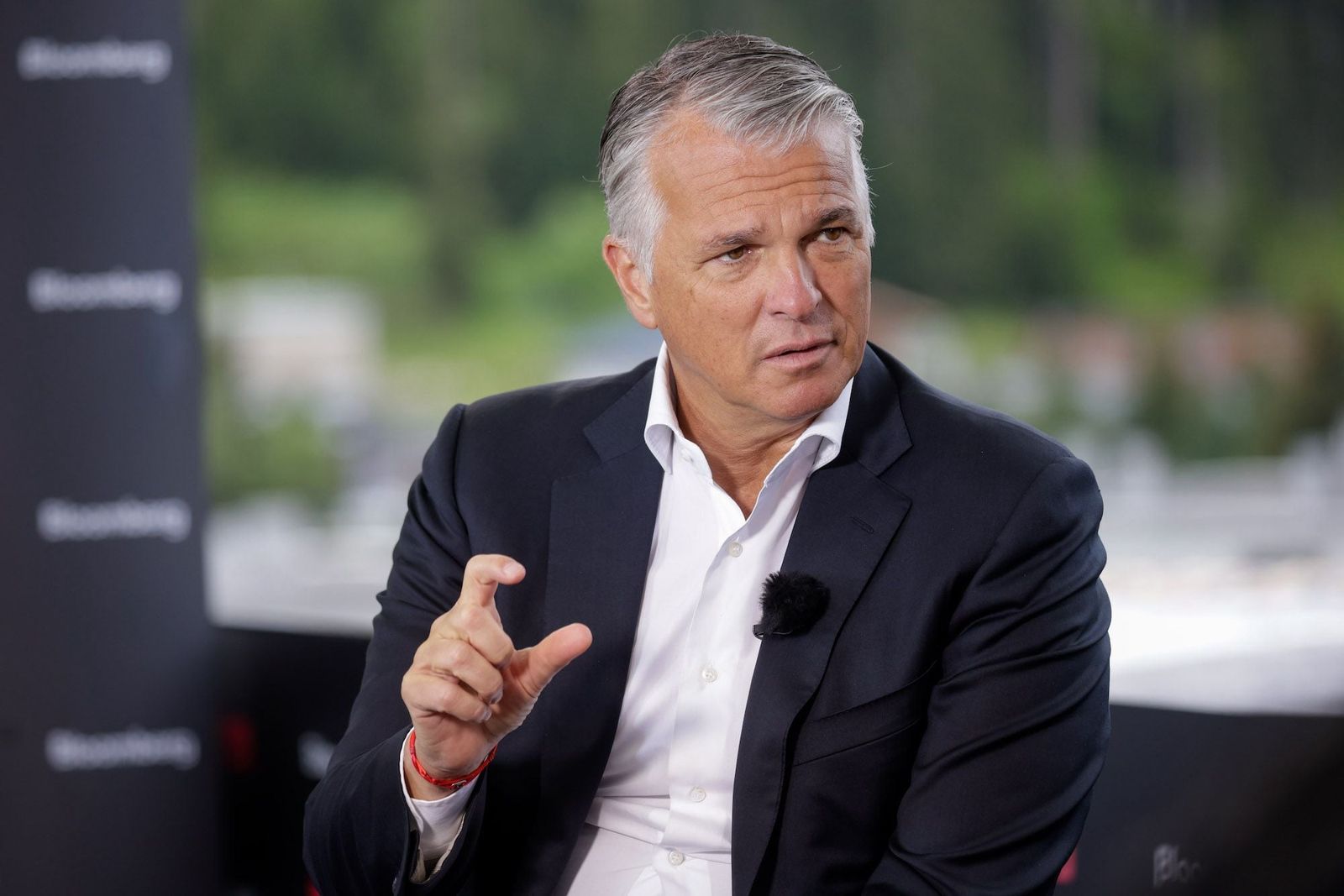
The bank opposed the outcome of the upper house vote, arguing that the measure does not represent a genuine compromise and fails to resolve the underlying issues that triggered the collapse of Credit Suisse.3 In public remarks addressing regulatory pressure, UBS chief executive Sergio Ermotti warned that excessive demands would damage the institution's commercial footing.1 “We can live with a black eye, but two black eyes and a broken nose is too much,” Ermotti said.1
A widening capital dispute
The upper house decision represents a partial modification of an earlier executive proposal.32 In April, the Swiss government put forward a plan that would have required UBS to deduct 100% of the book value of its foreign subsidiaries from the parent entity's top-tier capital.32 UBS calculated that the original 100% deduction rule would have forced it to raise as much as $20 billion in fresh equity.31
Bank executives had expressed stronger support for an alternative compromise offered by another faction of lawmakers.3 That framework would have permitted UBS to cover up to half of the foreign subsidiary requirement using additional tier 1 debt instruments, an asset class that is cheaper to issue and maintain.3 UBS estimated that the hybrid tier 1 structure would have reduced the needed increase in top-tier common equity to roughly $13 billion.3

The bank has remained locked in negotiations with Swiss authorities for more than a year over how to capitalize its foreign network.1 The institution has argued that high equity deductions weaken its capacity to deploy balance sheet resources and lend at attractive margins.1 That regulatory burden also threatens to widen a competitive gap against major American competitors, who face a deregulatory posture in Washington that works to liberate bank capital.1
Merger hurdles and strategic targets
With domestic capital requirements advancing through parliament, UBS leadership has evaluated options to redomicile outside Switzerland, including a cross-border merger.1 Yet any corporate combination faces significant practical barriers created by the sheer scale of the institution.1 UBS commands a balance sheet of $1.7 trillion, a market capitalization of $146 billion, and client assets totaling $7 trillion across its global wealth management business.1
Those dimensions leave only a small group of international institutions capable of executing a transaction. Morgan Stanley represents one hypothetical partner, possessing an established focus on wealth management and existing historical ties to UBS executive chairman Colm Kelleher, who formerly served as president of the American bank.1 Other potential European cross-border combinations discussed by industry observers include Standard Chartered and Deutsche Bank, both of which maintain smaller equity valuations that would lower acquisition costs.1
Kelleher stated publicly that the bank would evaluate its long-term presence in Switzerland if final capital requirements proved too severe.3 While legislative deliberations in the lower house will determine whether the 90% threshold survives into statutory law, executive leadership is preparing contingency paths should the finished rules constrain the bank's global returns.
What this rests on
25 sentences trace to 3 sources.
-
1
LH
Liz Hoffman Document · semafor.com · 24 Sep 2026 Exclusive: UBS considers an exit from Switzerland See the source
-
2
CB
Central Banking Third-party reporting · centralbanking.com · 23 Sep 2026 Swiss upper house backs tougher capital rules in blow to UBS - Central Banking See the source
-
3
M
morningstar.com Third-party reporting · morningstar.com Swiss Parliament's Upper House Backs Plan to Ease New Capital Demands on UBS See the source