US overseas tourist arrivals drop two million despite World Cup
International travel fell 11 percent in August as visa fees, trade disputes, and funding cuts depressed inbound journeys.
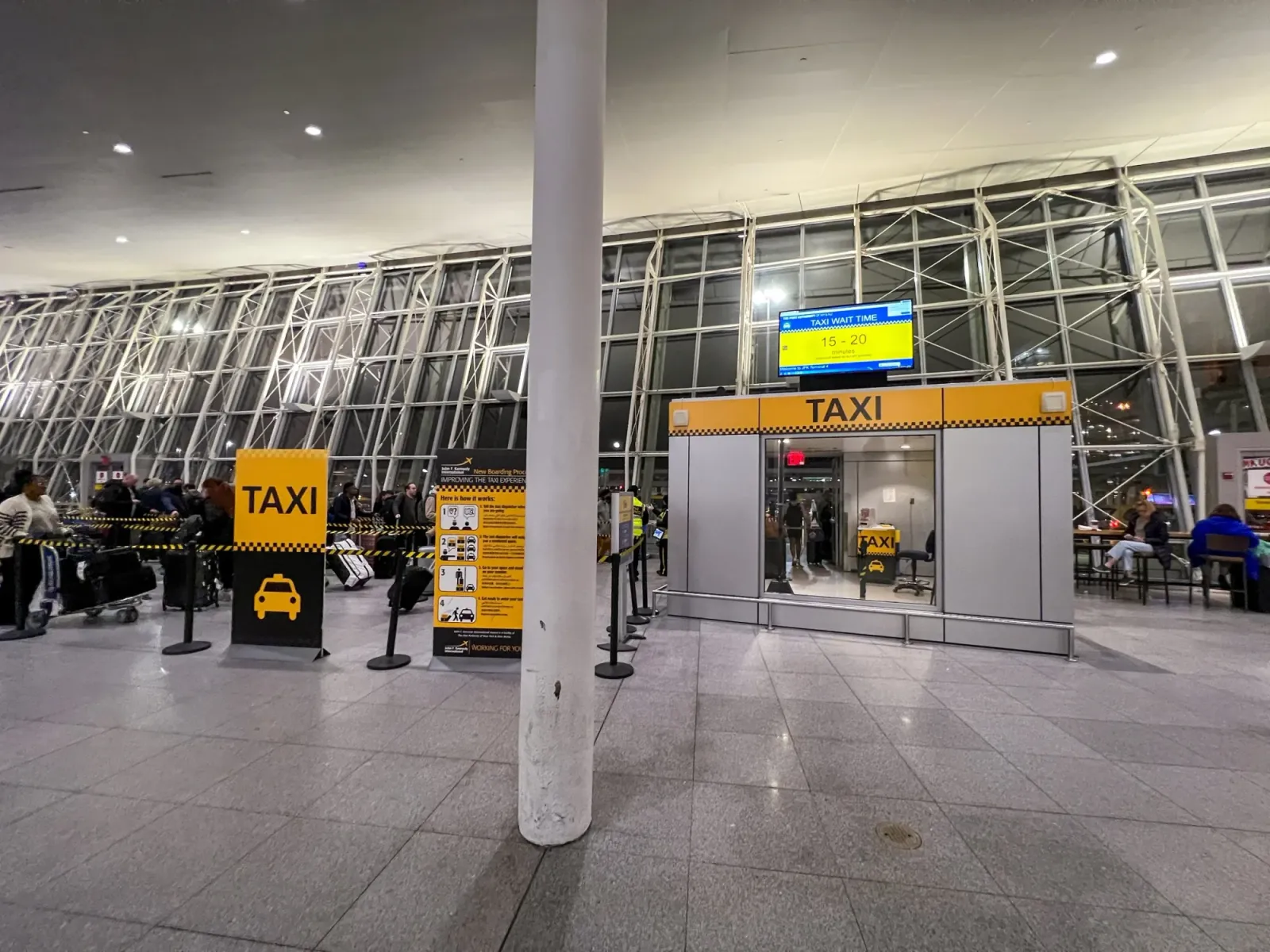
Overseas travel to the United States is on track to fall by nearly two million visitors this year, deepening an economic slump that even co-hosting the FIFA Men’s World Cup failed to reverse.12 The projected contraction leaves inbound travel roughly 20 percent below its pre-pandemic peak of 79 million annual visitors in 2019, according to figures compiled by the US Travel Association.23
The downturn accelerated across the summer months, defying expectations that the international soccer tournament would produce a sustained influx of foreign spending.21 Inbound tourism from abroad fell 2 percent year-on-year in June, 7 percent in July, and 11 percent in August, according to data released by the industry association.2
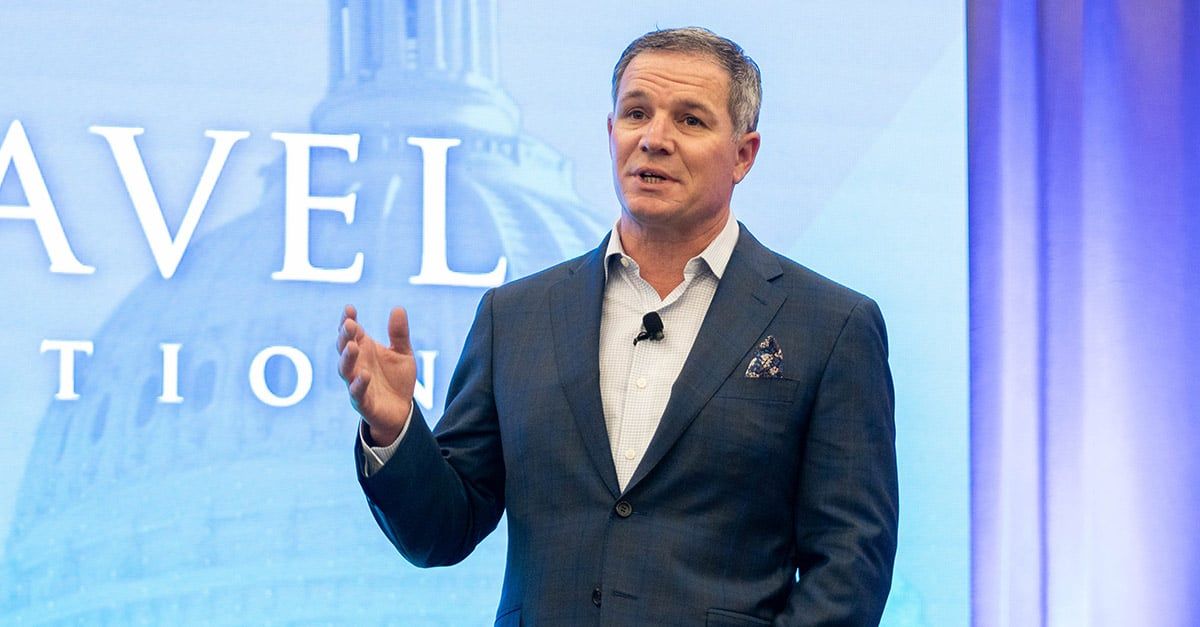
Geoff Freeman, president and chief executive of the US Travel Association, pointed to an unprecedented divergence between the American market and other major travel destinations.13 “We’re the only major country in the world losing visitation,” Freeman said.13 “It’s mind-boggling.”13
While the United States saw inbound arrivals slip, competing markets gained ground by easing borders or benefiting from favorable foreign exchange rates.1 China expanded international arrivals through new visa-free entry policies for select nationalities, and Japan recorded historic visitor numbers supported by a weak yen.1
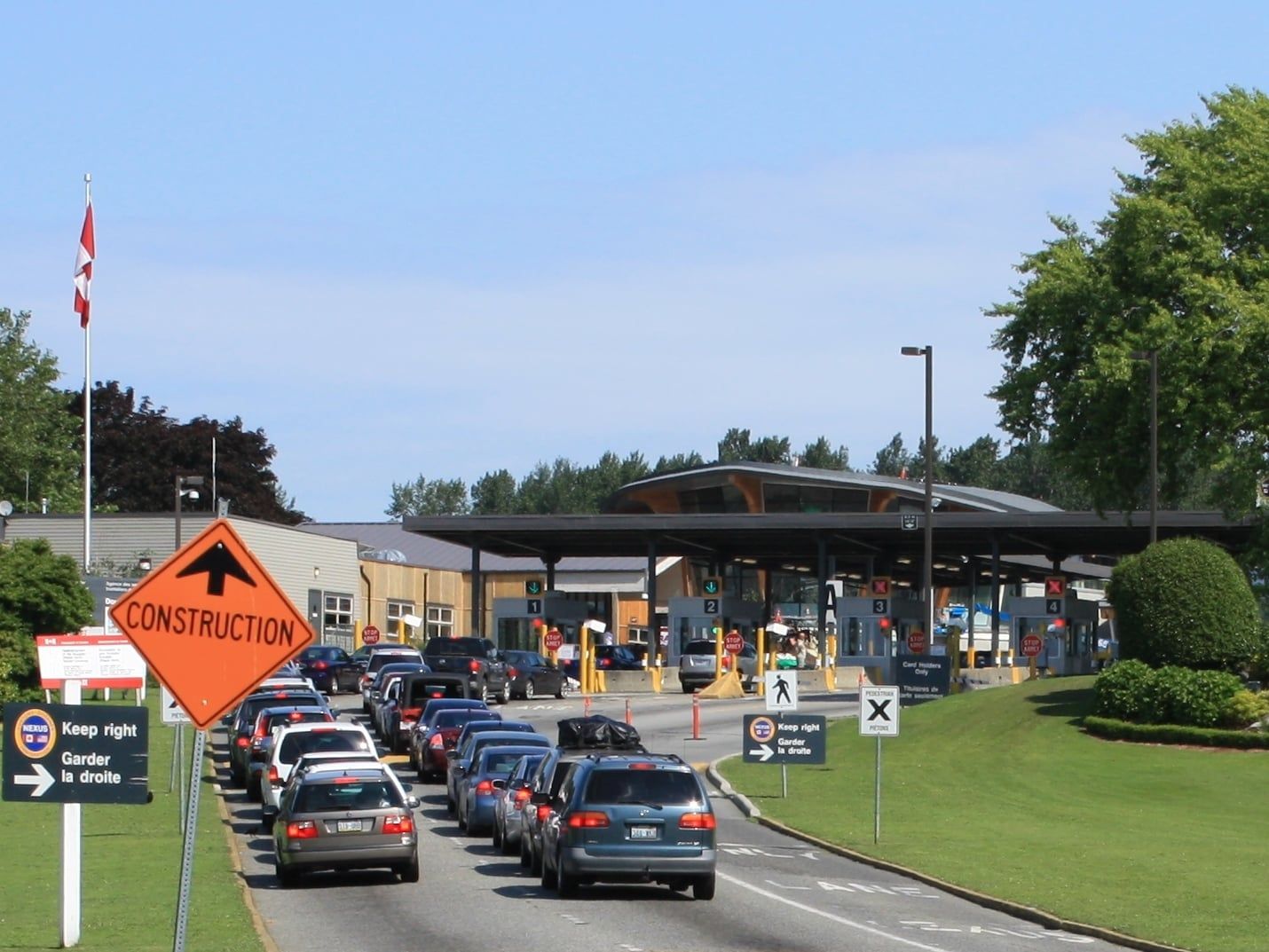
Tariffs and cross-border tensions
Much of the decline stems from traditional allies whose travelers have stayed away amid persistent diplomatic and economic friction.13 Inbound travel from Canada dropped 23 percent over a two-year stretch, following the imposition of American tariffs on Canadian steel, aluminum, and automobiles.3 Analysis of mobile tracking data from Cuebiq indicated that Canadian visits to major American metropolitan areas fell by as much as 42 percent over the past year.3
European travel corridors recorded similar contractions.13 Travel from Germany and France fell 16 percent and 15 percent year-to-date, respectively, extending losses from 2025, when German arrivals fell roughly 12 percent and French visits dropped nearly 7 percent.3 The drop followed public disputes over Greenland, tariff threats against European goods, and proposed levies targeting French wine and champagne.3
The contraction follows a difficult 2025 during which foreign visitor spending declined by more than $8 billion, representing the sharpest single-year decline in overseas visitation outside the pandemic disruption in two decades.3
Friction at the border
Beyond diplomatic rhetoric and trade penalties, travel industry officials trace the drop to the rising cost of American travel and growing anxiety over entry procedures.2 Transpacific travel has faced persistent logistical headwinds, including longer route times for Asian carriers that cannot transit Russian airspace, which elevates ticket prices.
Prospective travelers have also confronted policy proposals that reinforced a perception of the country as unwelcoming.2 Among them was an administrative measure that would require travelers entering without a visa to submit five years of social media history for inspection by border officials.2 Although industry lobbying prevented the requirement from taking effect, travel organizers found that rumors of mandatory social media screening had already gained widespread traction in Northern Europe.2
A separate legislative proposal sought to impose a $250 entry fee on travelers entering under visa waiver programs, a surcharge that would make the United States the second-most expensive country in the world to enter.2 While that fee was delayed, industry representatives warned that the discussion itself signaled administrative hostility.2
Compounding the problem, the federal apparatus designed to attract international travelers experienced deep resource reductions.2 In July 2025, federal funding for Brand USA, the public-private partnership established to promote inbound international tourism, was reduced by 80 percent, cutting its operating budget from $100 million to $20 million.2
Industry calls for policy shift
Industry leaders have urged the federal government to decouple commercial tourism policies from domestic border enforcement debates.2 Freeman met with President Donald Trump at the Oval Office to present six corrective policy steps, including restoring promotional resources and maintaining efficient traveler processing.2 Freeman pointed to the temporary Visa Fastpass system used during the World Cup, which accelerated clearance for ticket holders, as practical proof that entry screening can operate smoothly without deterring legitimate visitors.2
The association established a long-term target of attracting 100 million annual foreign visitors to make the United States the world's most-visited destination, though realizing that goal will require reversing entrenched foreign perceptions.2 Without coordinated promotional campaigns to dispel misconceptions about customs interrogations and administrative delays, industry analysts warn that foreign travelers will continue redirecting their holiday spending toward more accessible international destinations.
What this rests on
28 sentences trace to 3 sources.
-
1
JG
Jeronimo Gonzalez Document · semafor.com · 29 Sep 2026 Decline in tourism hits US economy See the source
-
2
NY
New York Post Third-party reporting · nypost.com · 29 Sep 2026 Foreign tourist numbers to the US are plunging — and travel chief says Trump can do 6 things to reverse the decline See the source
-
3
TD
The Daily Beast Third-party reporting · thedailybeast.com · 28 Sep 2026 Allies Refuse to Visit U.S. in ‘Mind-Boggling’ Collapse Under Trump See the source