Starbucks opens two Xinjiang stores as lawmakers demand closure
Representative John Moolenaar urged the coffee chain to exit Urumqi after local outlets debuted at the airport and Grand Bazaar.
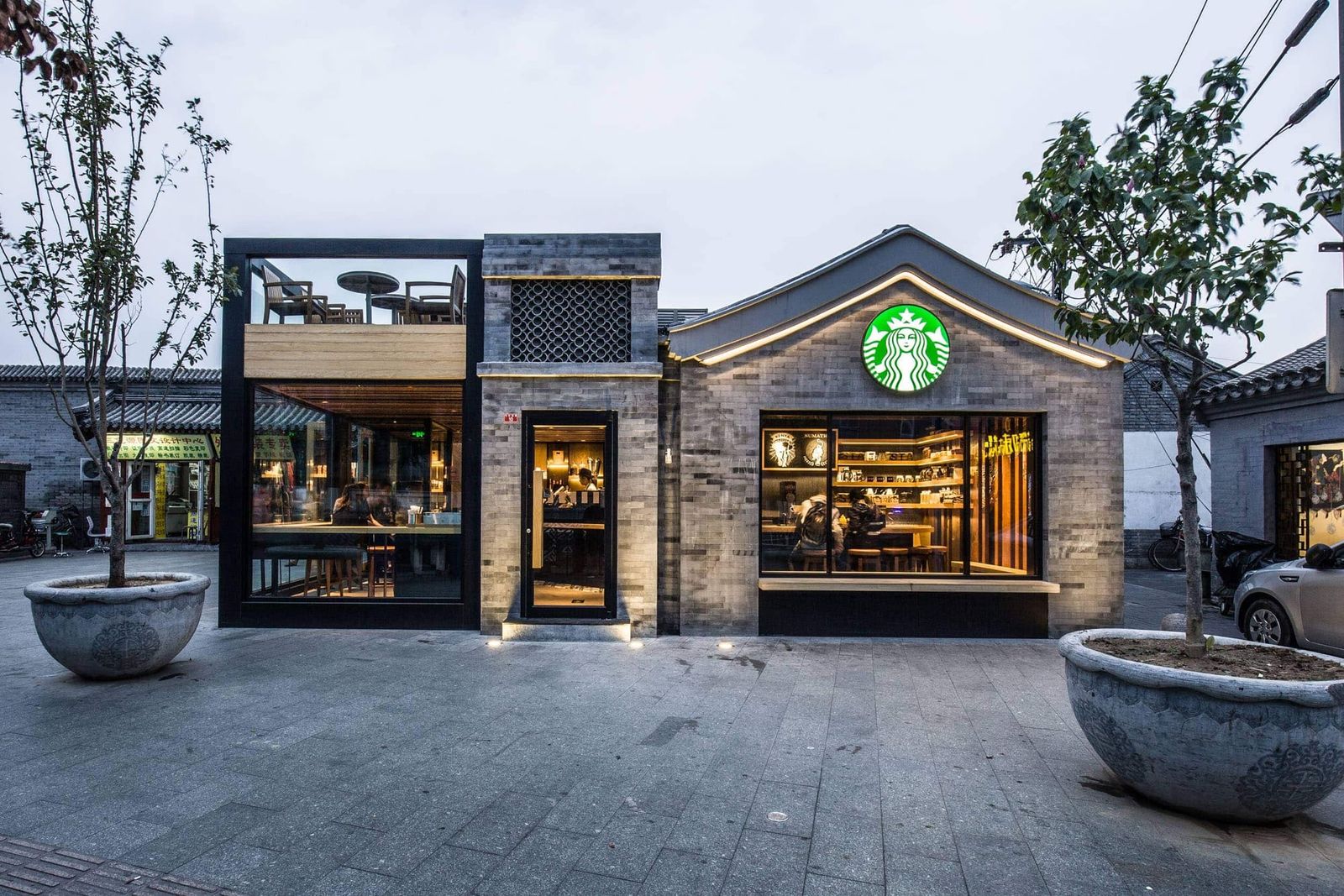
Two Starbucks-branded coffee shops opened in Urumqi on Sept. 29, establishing the chain's first footprint in China's northwestern Xinjiang region.12 One store began operating at the Grand Bazaar in the regional capital, while a second opened at Urumqi Tianshan International Airport.1
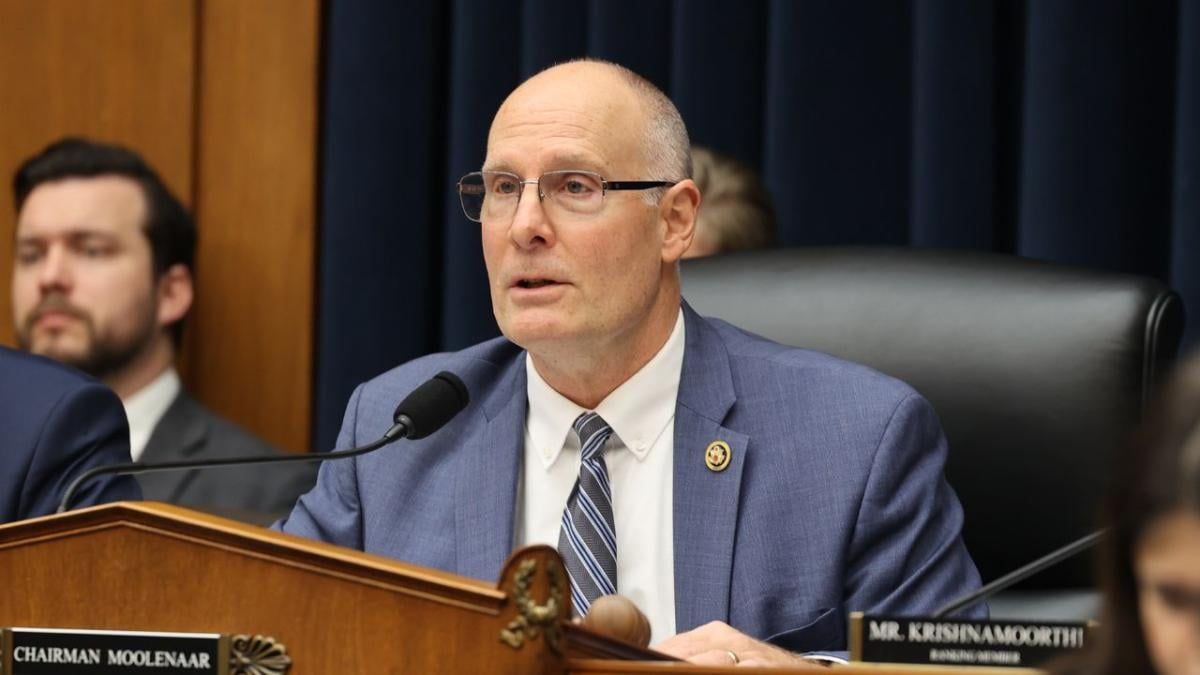
The store openings drew swift condemnation from Washington, where lawmakers have scrutinized corporate activity in Xinjiang.31 Representative John Moolenaar, a Michigan Republican who chairs the House Select Committee on the Chinese Communist Party, called on the Seattle-based company on Oct. 1 to shut both locations.12
"This is a shocking and morally bankrupt decision by a company that prides itself on social responsibility," Moolenaar said in a statement.1 He argued that there was "no justifiable reason" for an American business to maintain operations in an area where Chinese authorities have detained more than one million Uyghurs.12 "Every cup sold in these stores ties an iconic American brand to the CCP’s brutal campaign against the Uyghurs," Moolenaar said, adding that "Starbucks should immediately reverse course and close its stores in Xinjiang."13
The House committee reiterated that stance on social media, writing directly to Starbucks and asserting that the ruling party was utilizing the brand to mask human rights abuses in the region.1 The World Uyghur Congress, an advocacy group representing the ethnic minority, also condemned the expansion.24 The organization said Starbucks "is once again choosing to ignore a dire human rights situation" by launching operations in Xinjiang, adding that "Companies should not contribute to an economy where state-imposed forced labour remains a serious concern."24
In January 2021, the State Department determined that the Chinese government had committed genocide and crimes against humanity against predominantly Muslim Uyghurs and other minority groups in the territory.1 Federal statutes under the Uyghur Forced Labor Prevention Act establish a legal presumption that merchandise manufactured wholly or in part within Xinjiang involves forced labor, barring entry into the United States unless importers prove otherwise.1
An assessment published in 2022 by the United Nations Office of the High Commissioner for Human Rights concluded that serious violations occurred in Xinjiang, noting that arbitrary and discriminatory detentions could amount to crimes against humanity.12 Other Western consumer brands have encountered intense public scrutiny over regional supply chains.24 French athletic retailer Decathlon faced allegations last year regarding textile purchases from suppliers accused of utilizing forced Uyghur labor in the region, responding that it condemned forced labor and would act if claims proved accurate.25
The Chinese government rejects all accusations of human rights abuses in Xinjiang, asserting that state policies eradicated religious extremism and delivered economic stability.23 Chinese authorities have invested heavily in regional tourism and development initiatives.23 Chinese state media reported that Xinjiang recorded a 22% increase in newly registered foreign-funded enterprises alongside a 10% rise in foreign direct investment in 2025, while more than 300 million foreign travelers generated $53 billion in tourism revenue.3
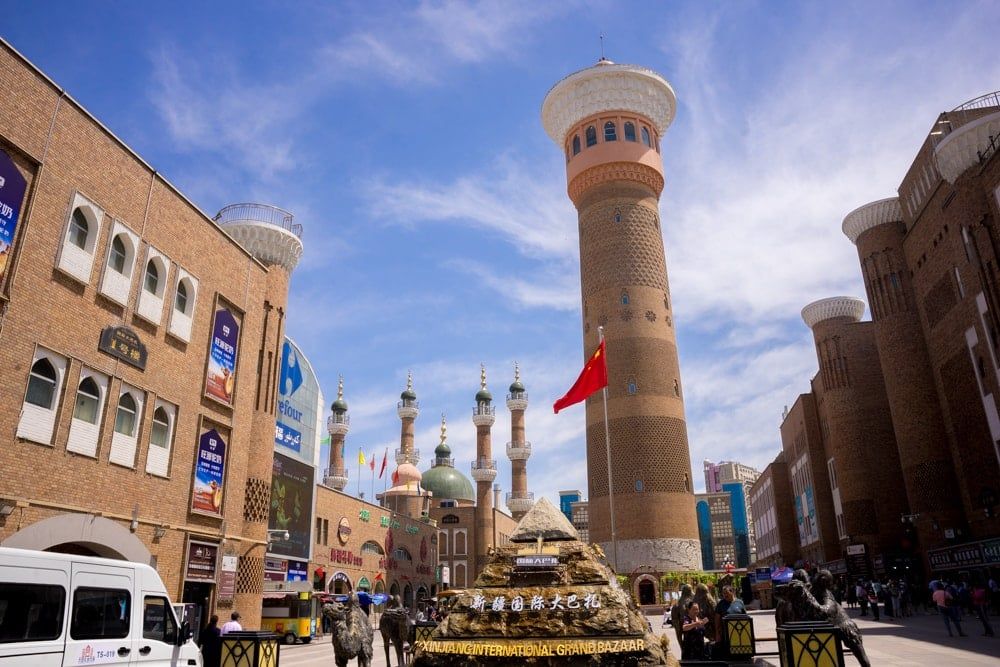
Liu Chang, a spokesperson for the Chinese Embassy in Washington, celebrated the Urumqi openings on social media as the company's debut in Xinjiang.1 Liu said the Grand Bazaar store incorporates traditional Atlas silk, ethnic musical instruments, and local menu items including milk-skin salty milk tea.1 Materials released by the embassy listed 8,342 Starbucks locations across mainland China, identifying the country as the corporation's second-largest market behind the United States.12
The regional debut follows a corporate restructuring of the company's Chinese retail operations finalized on April 2.12 Under that transaction, private-equity firm Boyu Capital acquired a 60% controlling stake in the retail network, while Starbucks retained a 40% interest alongside ownership and licensing rights for its brand and intellectual property.12 The partnership managed approximately 8,000 coffeehouses in China at closing, with plans to expand the network to 20,000 locations under a licensed operating model.1 Boyu was cofounded by Jiang Zhicheng, the grandson of former Chinese leader Jiang Zemin.1
"By combining Starbucks’ trusted global brand with Boyu’s deep local expertise, we are positioning the business to serve more customers, enter more cities, and strengthen our leadership in a dynamic and evolving market," Starbucks Chief Executive Brian Niccol said when the joint venture completed.1
The expansion across Chinese metropolitan centers contrasts with retrenchment in domestic stores.1 Starbucks confirmed on Sept. 24 that it will close roughly 250 locations across North America, representing approximately 1% of its regional footprint of more than 18,000 coffeehouses.1 While domestic units contract, corporate executives have stated that international growth will outpace North American additions, with mainland China positioned as a primary vehicle for retail expansion.1
What this rests on
29 sentences trace to 5 sources.
-
1
C
cmsapi.theepochtimes.com Third-party reporting · cmsapi.theepochtimes.com Starbucks Opens Its First 2 Stores in Xinjiang, Drawing Congressional Criticism See the source
-
2
A
ANews Third-party reporting · anews.com.tr · 2 Oct 2026 Rights group, US lawmakers condemn first Starbucks stores in Chinas Xinjiang See the source
-
3
BR
Brendan Ruberry Document · semafor.com · 1 Oct 2026 Starbucks opens first cafés in Xinjiang region See the source
-
4
N
nampa.org Third-party reporting · nampa.org Beijing, Oct 2, 2026 (AFP) - Rights group, US lawmakers condemn first Starbucks stores in China's Xinjiang See the source
-
5
N