Ray Dalio warns AI bubble nears bursting point
Rising corporate debt and higher borrowing costs threaten equity gains as tech shares propel major stock indexes to fresh records.
A surge in technology shares has lifted the Standard & Poor's 500 and the Nasdaq to all-time highs, even as financial, healthcare, and consumer-focused businesses suffer broad declines.12 The divergence has concentrated market performance within a handful of artificial intelligence leaders, raising concerns among institutional investors that any stumble in the sector could cause severe broader damage.13
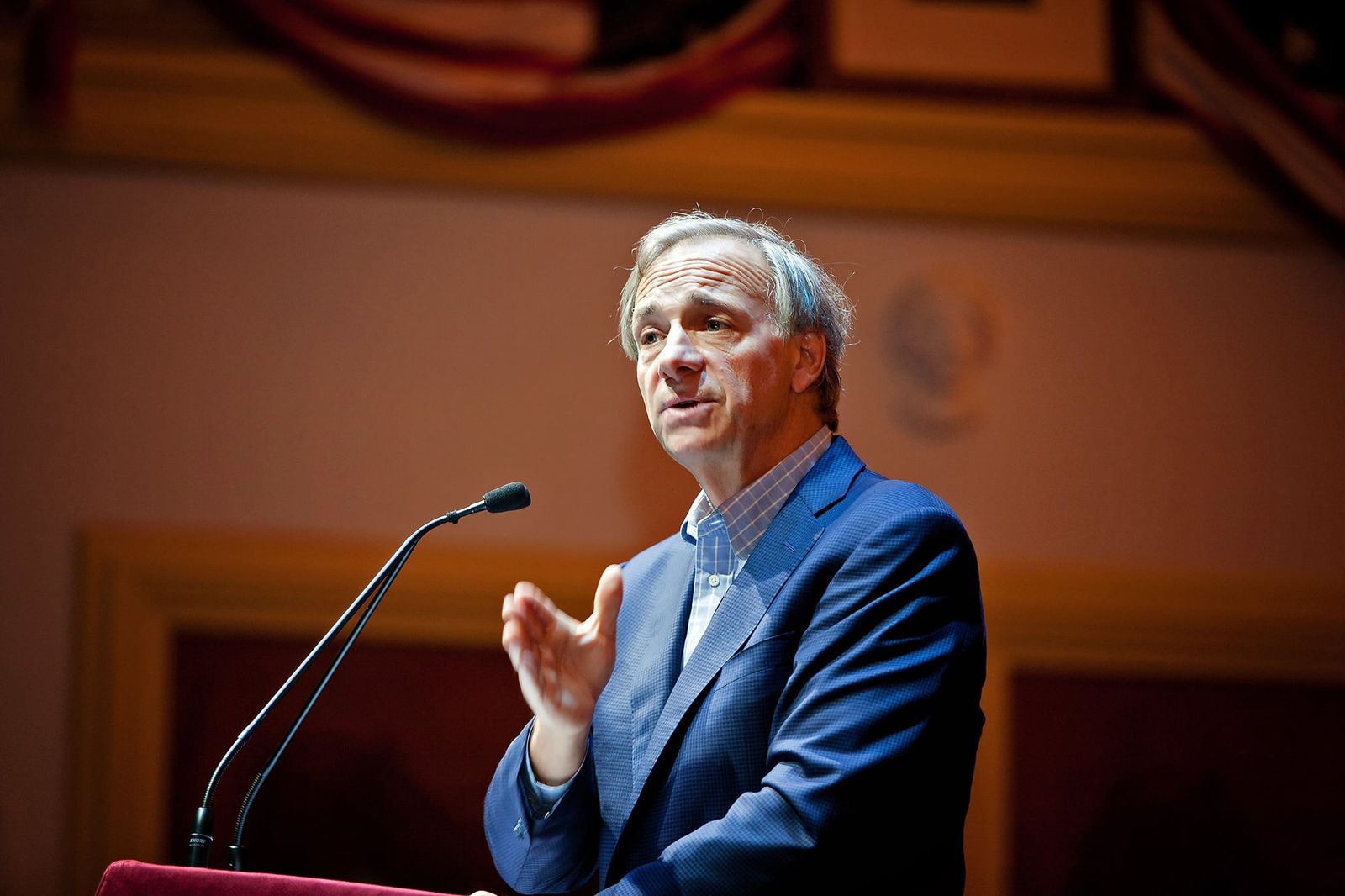
Speaking on a panel at the Forbes Global CEO Conference at the Shangri-la Hotel in Singapore, Ray Dalio, the founder of hedge fund Bridgewater Associates, described the run-up as a classic bubble approaching its end.31 Dalio pointed to expanding corporate debt and persistent pressure on interest rates as the catalysts that will eventually force a correction.32
"There's a lot of pressure from all the supply for much more rises in interest rates, and then you have the dynamic of when it starts to have an effect, and that is the point at which the bubble begins to burst," Dalio said.3 "We're in that part of the cycle that is before that, but (we're) approaching that, I think we're close to that."32
Debt financing and capital costs
Dalio noted that large technology firms are increasingly borrowing to finance capital expenditures in artificial intelligence, while sovereign bond yields across the globe have climbed to multi-decade peaks.32 In his framework, asset bubbles typically unravel when participants must convert paper wealth into cash to meet obligations or fund current spending.3
He drew a boundary between the technological value of an innovation and its commercial return as an asset class.3 High investment requirements across data centers and computing hardware risk driving up funding costs for the wider market, leaving equity valuations vulnerable if borrowing rates stay elevated.23
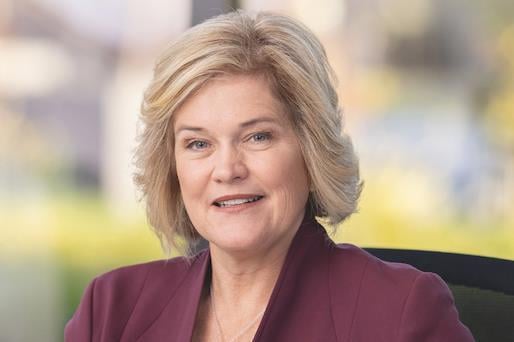
Jenny Johnson, chief executive of Franklin Templeton, echoed concerns regarding balance-sheet leverage across the sector.3 She observed that hyperscale computing providers are accumulating debt and turning to private credit arrangements that obscure total obligations.3
"These capital-light businesses are now capital heavy; they're now using creative financing and structuring and doing off balance sheet (financing)… You really have to build out the web of liabilities to understand it, and so I think that's going to be a more difficult place," Johnson said.3
Johnson also disputed the idea that artificial intelligence has generated tangible operational efficiencies for corporate America so far.3 "I do not believe that any of the productivity gains that you're seeing in the US companies has anything to do with AI yet," she said, noting that enterprises often require years to integrate new foundational tools into day-to-day operations.3
Infrastructure spending and portfolio durability
Institutional allocators also face shifting economics around physical hardware. Dilhan Pillay, chief executive of Singapore state investor Temasek Holdings, warned on the panel that massive capital flows directed toward computing infrastructure may lift the overall cost of capital across industries.
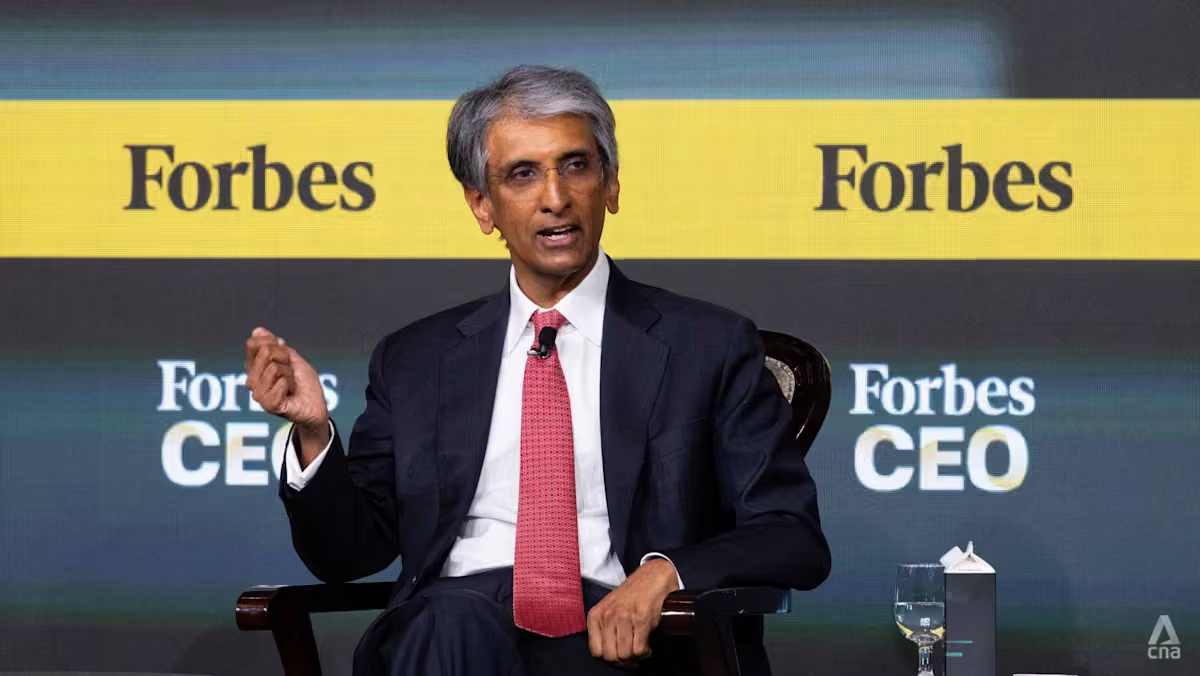
Pillay drew a distinction between short-term equity trading and direct corporate ownership.3 While public market investors can rotate between industries as market sentiment shifts, long-term asset owners bear permanent operational responsibility across varying economic environments.
"As an investor, you can rotate your investments," Pillay said.3 "But when you are the bone of a business, you own the morning after; you own everything about that company in good times and in difficult times."3
Pillay argued that executives should treat artificial intelligence as a continuous operating discipline rather than a finite capital expenditure project, while scrutinizing whether adequate capital will remain available for enterprise deployment down the line.3 An unwinding of the broader technology trade has emerged as a central risk for asset allocators looking toward 2027.1
To protect capital during what Dalio termed a period of heightened global disorder, the Bridgewater founder advised maintaining 10 to 15 uncorrelated return streams. He identified prospective value in sovereign markets across Southeast Asia, unheralded suppliers that benefit from computing demand without holding speculative tech labels, and short positions designed to counter debt exposure.3
"The power of diversification – it's the free lunch," Dalio said.3
What this rests on
23 sentences trace to 3 sources.
-
1
PR
Prashant Rao Document · semafor.com · 7 Oct 2026 Investors warn of AI bubble as tech stocks reach record highs See the source
-
2
SE
Seoul Economic Daily Third-party reporting · en.sedaily.com · 7 Oct 2026 Dalio Warns AI Bubble Is Nearing a Bursting Point See the source
-
3
TB
The Business Times Third-party reporting · businesstimes.com.sg · 7 Oct 2026 AI bubble may burst soon amid financing concentration, rising rates: Ray Dalio See the source