Saudi Arabia plans 10 million barrel oil diversion network
A converted gas pipeline will transport crude within eight weeks as the kingdom prepares alternative export routes to bypass maritime choke points.

Saudi Arabia is preparing an expansion of its overland pipeline network to transport up to 10 million barrels of crude oil a day away from the Persian Gulf within three years.123 Speaking at the 25th WPC Energy Congress in Riyadh on Monday, Energy Minister Prince Abdulaziz bin Salman said the government will fund infrastructure upgrades to reduce the kingdom's exposure to maritime shipping disruptions.42
The near-term component of the plan relies on converting an existing natural gas conduit to carry crude oil.21 Prince Abdulaziz said the repurposed line could begin moving about 1.2 million barrels of crude a day within seven to eight weeks, with additional capital investment potentially increasing throughput to 3 million barrels daily.12 The arrangement is initially slated as a temporary measure running through May, after which the pipe would undergo cleaning to resume domestic gas distribution for peak summer electricity demand.1
"We may end up with 10 million barrels within the next two to three years," Prince Abdulaziz told delegates at the conference, adding that the state itself is covering the costs of the project rather than national oil producer Saudi Aramco.12
To establish permanent flexibility, the energy ministry is coordinating with Aramco on dual-use infrastructure.1 Engineers plan to install dedicated pumping stations and compressors that allow the conduit to alternate between transporting crude oil and natural gas depending on operational needs.1
Expanding the East-West corridor
The strategic spine of the diversion initiative is the 1,200-kilometer East-West Pipeline, also known as the Petroline, which connects major oil fields in the Eastern Province directly to export terminals at the Red Sea port of Yanbu.53 The line provides Saudi Arabia with an overland bypass around the Strait of Hormuz, where regional conflict has repeatedly threatened tanker traffic.51
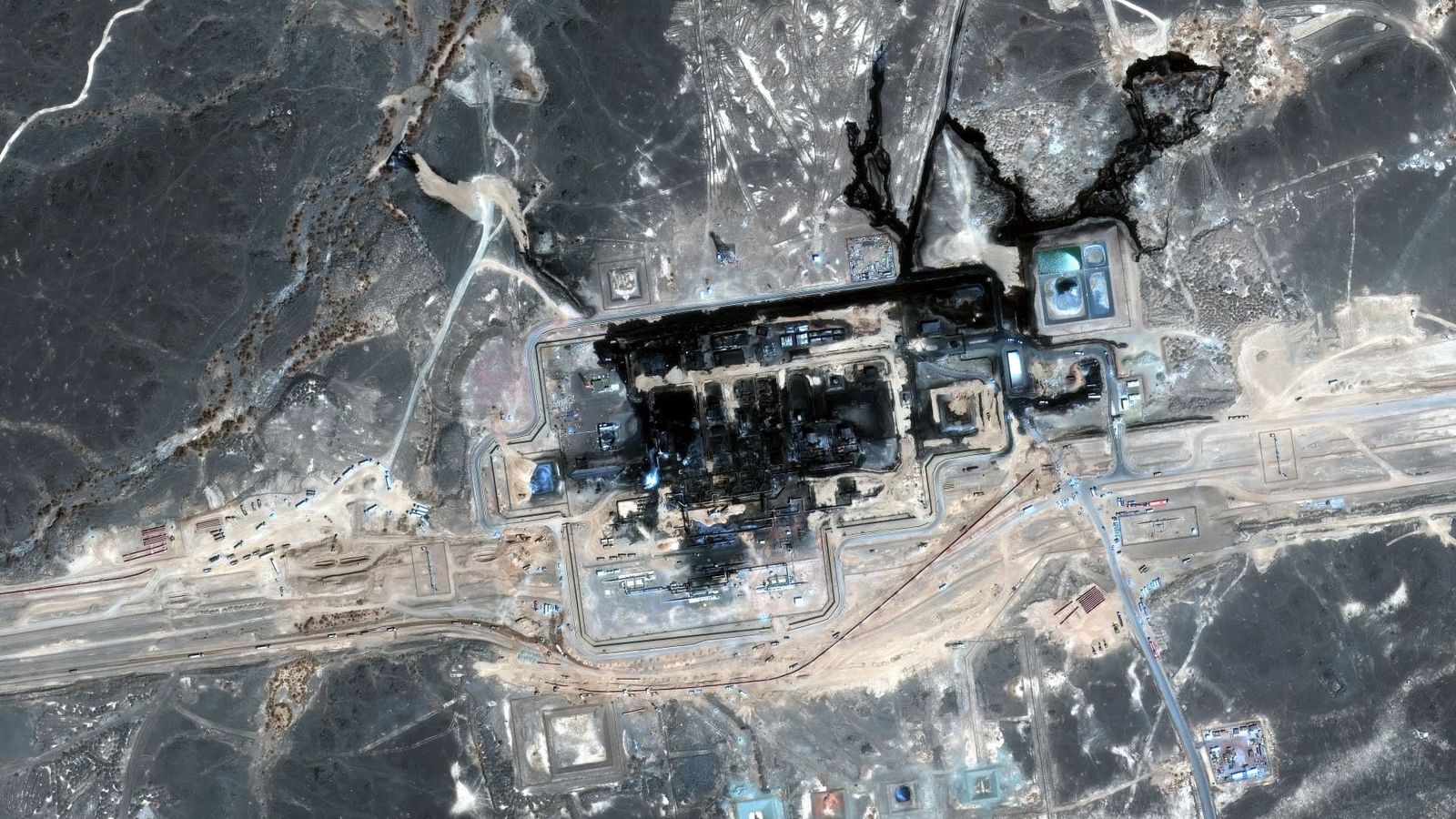
Operations along the corridor recently endured physical disruption following a September drone strike near Al Dhekra in Al Madinah Province.15 Prince Abdulaziz noted that repair crews restored throughput within five to six days, bringing pumped volumes back to 5.8 million barrels a day by early October.51 The corridor had operated at approximately 2 million barrels daily in August before regional tensions prompted increased utilization.5
Saudi Aramco President and Chief Executive Amin Nasser said the company sourced more than 90 percent of repair materials domestically during recent operational restorations.4 Nasser noted that local procurement enabled maintenance teams to finish rehabilitation tasks in hours or days instead of weeks or months, demonstrating domestic supply resilience under operational pressure.4
International buffer against shipping shocks
The pipeline expansion coincides with wider efforts by Saudi Aramco to secure alternative marketing outlets.43 Nasser confirmed that the company is evaluating further crude export channels in coordination with the ministry, alongside plans to lease or construct additional storage capacity outside the kingdom.43
US Energy Secretary Chris Wright said in remarks delivered via video link that crude shipments traversing the Strait of Hormuz have recovered to between 80 percent and 90 percent of pre-conflict volumes, representing roughly 13 million to 14 million barrels daily.43 However, tanker shipments of refined petroleum products continue to lag significantly, lingering between 25 percent and 35 percent of previous levels.43
The broader market impact of transit disruptions has prompted international forecasters to adjust medium-term projections.43 OPEC Secretary General Haitham Al Ghais estimated that global oil demand growth will reach 1.7 million barrels a day in 2027 as deferred consumption materializes.43 Al Ghais described the East-West line as a critical insurance policy for international energy consumers, warning that long-term industry supply requires roughly $18 trillion in cumulative investment through 2050 to maintain stability.43
What this rests on
22 sentences trace to 5 sources.
-
1
G
gcaptain.com Third-party reporting · gcaptain.com · 12 Oct 2026 Saudi Eyes 10 Million Barrels a Day of Oil Pipe Capacity See the source
-
2
MM
Matthew Martin Document · semafor.com · 12 Oct 2026 Saudi plans to expand oil export routes to cut Hormuz reliance See the source
-
3
GN
Gulf News: Latest UAE news, Dubai news, Business, travel news, Dubai Gold rate, prayer time, cinema Third-party reporting · gulfnews.com · 12 Oct 2026 Saudi Arabia plans to double strategic oil pipeline capacity to 10 million barrels a day within two to three years See the source
-
4
اا
الشرق الأوسط Third-party reporting · english.aawsat.com · 12 Oct 2026 WPC Energy Congress: Saudi Arabia Eyes Raising East-West Pipeline Capacity to 10 Million Barrels per Day See the source
-
5
A
aljazeera.com Third-party reporting · aljazeera.com · 6 Oct 2026 Saudi Arabia says East-West pipeline pumping 5.8 million bpd See the source