Industrial supply chains depend on interlinked ports, power, and mines
Capital flows into foreign mining projects increasingly package mineral extraction alongside power plants and transport corridors, according to research spanning two decades of investment data.
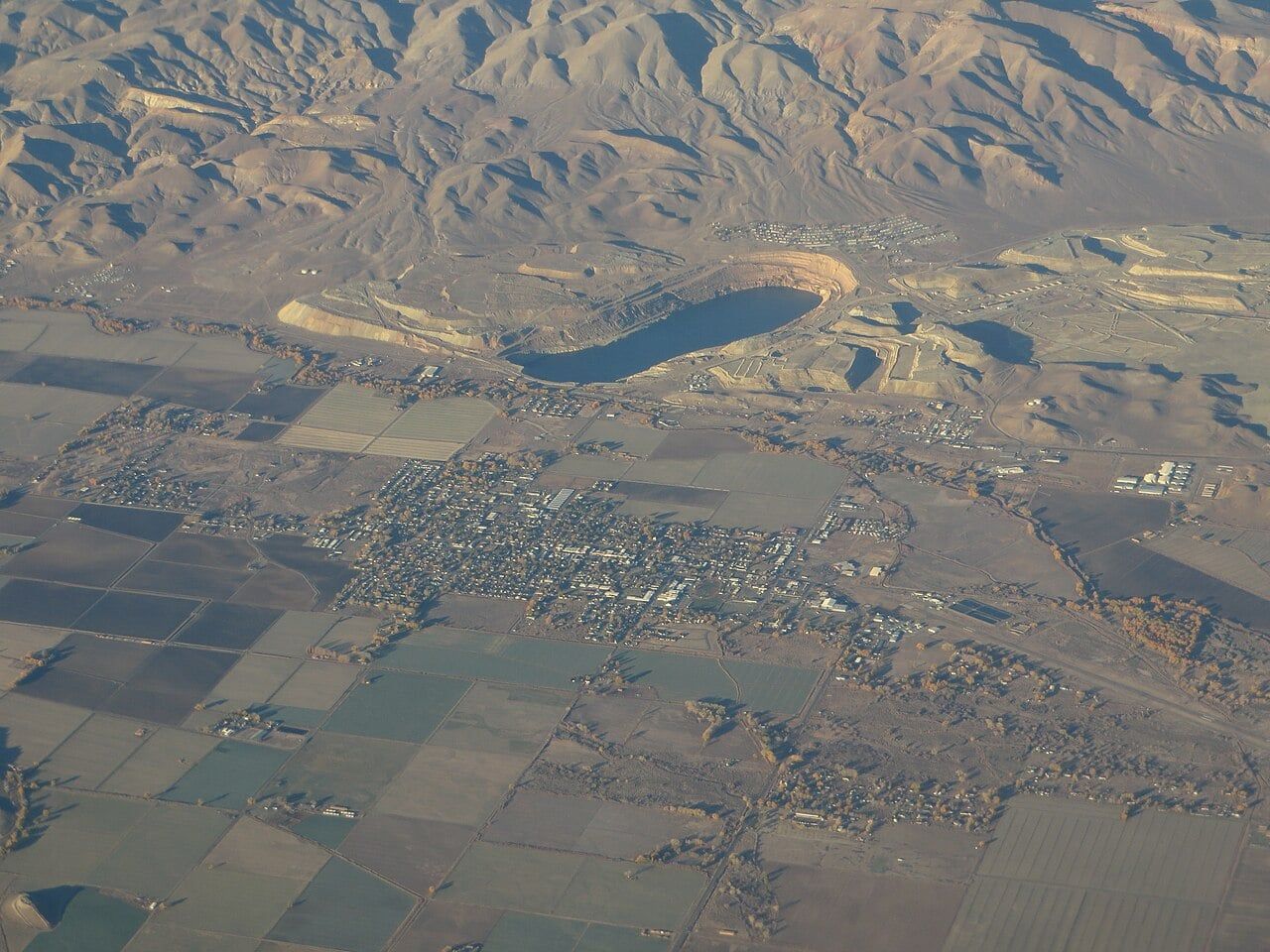
Modern energy and computing technologies cannot function without a continuous flow of refined metals. Manufacturing electric vehicle batteries, transmission lines, and digital processing chips requires vast quantities of copper, nickel, cobalt, and lithium. Yet raw ores buried underground cannot feed factory assembly lines on their own. For raw material to reach an industrial plant, heavy rock must first be mined in remote deposits, transported across rugged terrain by road or freight rail, processed using steady electricity, and shipped through deepwater maritime terminals. If any link in that physical pathway fails, factory floors thousands of kilometres away grind to a halt.
Securing those complex supply chains has increasingly driven international commercial strategies. In a research paper posted to the RePEc economic archive on October 15, 2026, researcher Thomas Lapi analyzed foreign direct investments in the global metal sector from 2005 to 2024.1 The paper reported that over recent decades, China established a dominant position across the value chain of energy and digital technologies by pairing domestic refining and manufacturing with targeted mining investments abroad.1 Rather than treating ore extraction as an isolated commercial transaction, Chinese enterprises structured their overseas capital around an integrated framework that connects raw material extraction directly to supporting infrastructure.1
How do integrated investments protect material supply chains?
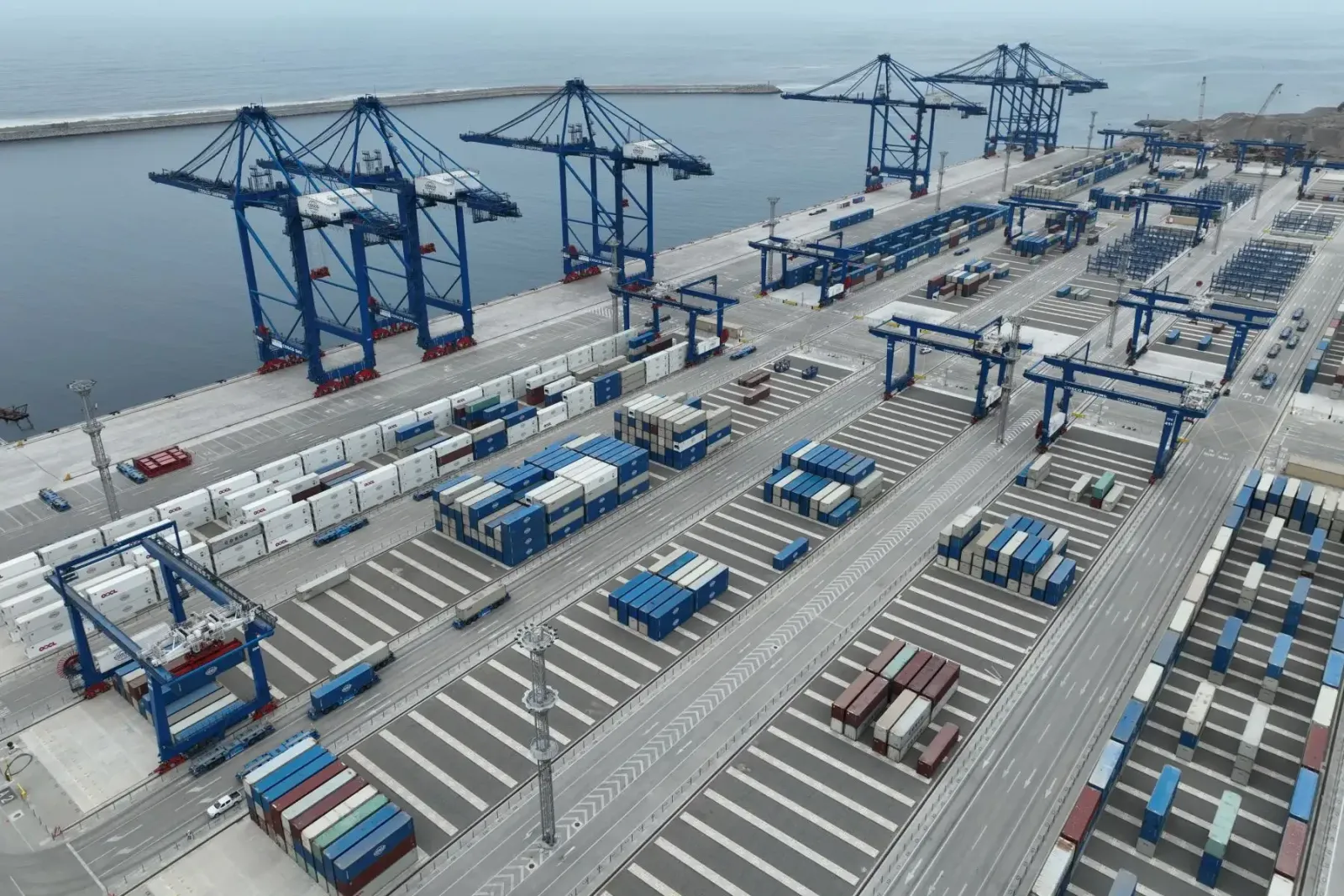
Integrated supply investments connect mining concessions directly to dedicated power stations and freight transport corridors to guarantee that mined metals can reliably reach manufacturing hubs. As Lapi reported, China's outbound direct investment in foreign metals links extraction sites with energy grids and transport infrastructure.1 The paper illustrated this mechanism through a detailed case study of operations in Peru, where Chinese corporate investments bundled mineral extraction with local logistical corridors and port terminals.1 By securing both the ore and the physical logistics required to evacuate it, operating firms shield their domestic industrial base from local bottleneck risks and private shipping disruptions.
The study found that this approach preferentially targets nations that hold high market concentrations of specific, critical minerals.1 According to the paper, Chinese corporate investments flowed heavily toward Indonesia, the Democratic Republic of Congo, and Peru.1 Indonesia holds immense reserves of nickel used in battery chemistry, while the Democratic Republic of Congo accounts for the majority of global cobalt output. In each case, establishing physical operations at the source of supply ensures that domestic manufacturing plants receive steady shipments of unprocessed or semi-refined materials regardless of broader international market volatility.
Why did investment flows withdraw from Australian mining?
Geopolitical friction between sovereign states can redirect international mining capital away from traditional resource hubs toward alternative host nations. Over the two decades examined in the paper, Lapi identified a sharp decline in Chinese foreign direct investment across the Australian metal sector.1 The paper stated that this steep contraction reflected growing geopolitical tensions and the tightening diplomatic and security relationship between Australia and the United States.1 As regulatory scrutiny increased and diplomatic relations cooled, Chinese firms shifted capital into jurisdictions offering greater bilateral alignment or higher resource concentrations.

This reallocation of capital represents a deliberate mining diplomacy that reinforces national dominance across global technological value chains, the paper reported.1 Moving capital into developing nations in Southeast Asia, Africa, and South America allowed Chinese enterprises to secure foundational inputs while bypassing investment hurdles in traditional Western mining jurisdictions. By controlling assets at each step of the pipeline, from extraction through refining to maritime transit, industrial firms ensure their domestic factories maintain access to essential inputs even as international trade alignments fracture.
What can the investment record tell observers about future supplies?
Longitudinal investment datasets track historical financial commitments rather than the future operating resilience or diplomatic stability of individual mines. The paper's conclusions rely on recorded foreign direct investment transactions between 2005 and 2024, combined with qualitative assessments of political and industrial strategy.1 The analysis appears in an academic paper that has not yet undergone formal peer review, and it does not measure the actual day to day extraction volumes or commercial profitability of the underlying mining assets. Furthermore, historical capital flows cannot guarantee that host governments will maintain consistent regulatory, tax, or export policies over the multi-decade lifespans of large mining complexes.
These patterns suggest that future resource security will depend as much on infrastructure ownership as on raw geological abundance. As Western economies attempt to diversify their own critical mineral sourcing, they confront an established ecosystem where key extraction hubs already plug directly into logistics networks built by Chinese state and private firms. For policymakers and industrial planners outside China, securing raw metals for future energy transitions may require financing entire logistical corridors rather than simply bidding on raw ore at foreign mine gates.
The record
11 sentences trace to 1 source.
- 1 China's material supply security strategy: case study on foreign investments in the metal sector Not published online