Musk considers $3.5 trillion merger of Tesla and SpaceX
Independent board committees are reviewing the proposal, which would align artificial intelligence and semiconductor manufacturing across both companies.
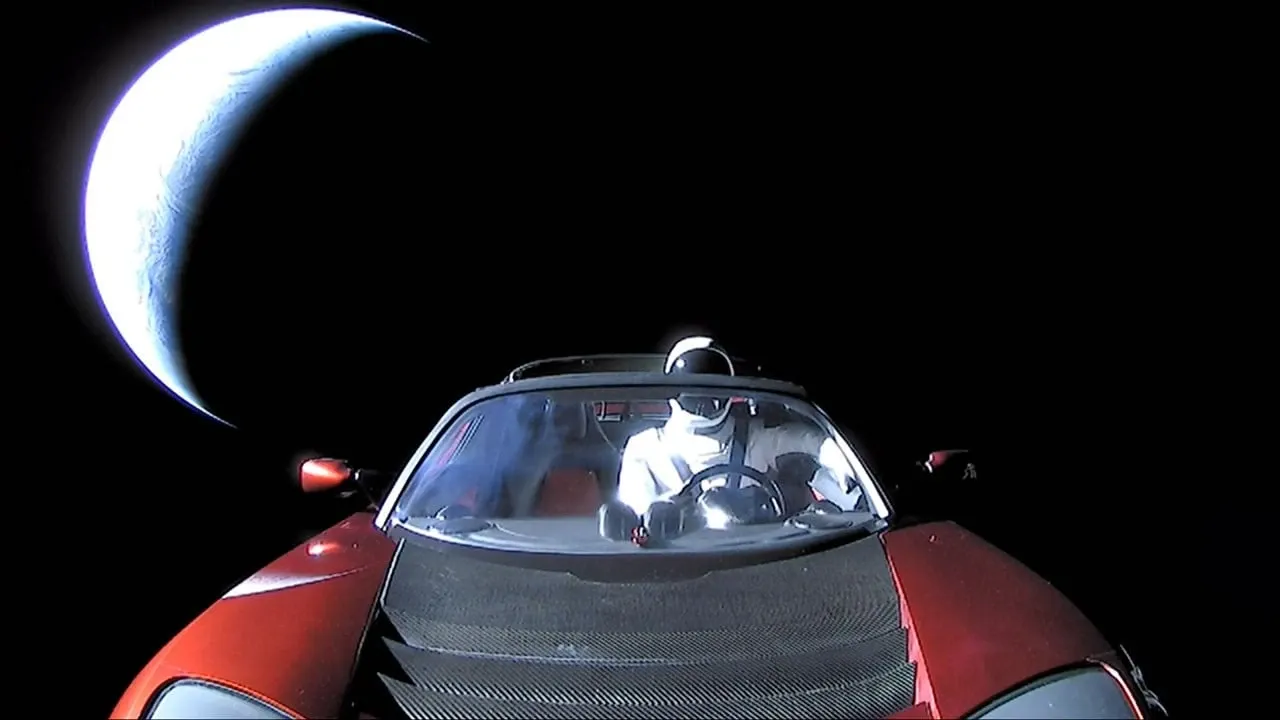
Special board committees at Tesla and SpaceX are actively evaluating a potential merger between the two companies, an operation that would unite two technology businesses together valued at roughly $3.5 trillion.123
Chief executive Elon Musk discussed the possibility during an earnings call with financial analysts on Tuesday.12 Asked whether he thought combining the electric vehicle manufacturer and the aerospace firm would be a good idea, Musk said, “Yes.”14
Musk stated that independent directors on both boards formed special committees to evaluate a transaction at the request of shareholders.2 The talks remain preliminary, and no agreement has been reached.14 “The special committees have not reached agreement on terms of any transaction and there’s no guarantee that they will,” Musk said on the call.12 “But I do think there is a lot of merit to merging and a lot to be gained.”13
A completed transaction would create one of the largest corporate mergers in history.14 Public markets currently value Tesla at roughly $1.5 trillion, while SpaceX carries a valuation of approximately $2 trillion.14 Following the discussion on Tuesday, shares of SpaceX gained 8% in after hours trading, while Tesla shares rose around 2%.134
Musk, who serves as chief executive and the largest individual shareholder of both corporations, noted that he cannot participate in the special committee reviews.21 “Because I’m a conflicted party, I can’t actually be in the discussions of the special committees, so it’s this sort of a … It’s an odd kabuki dance where two groups of people are talking, and I can’t be in the conversation,” Musk said.2 He compared commenting publicly on the transaction to “tap dancing through a minefield.”13
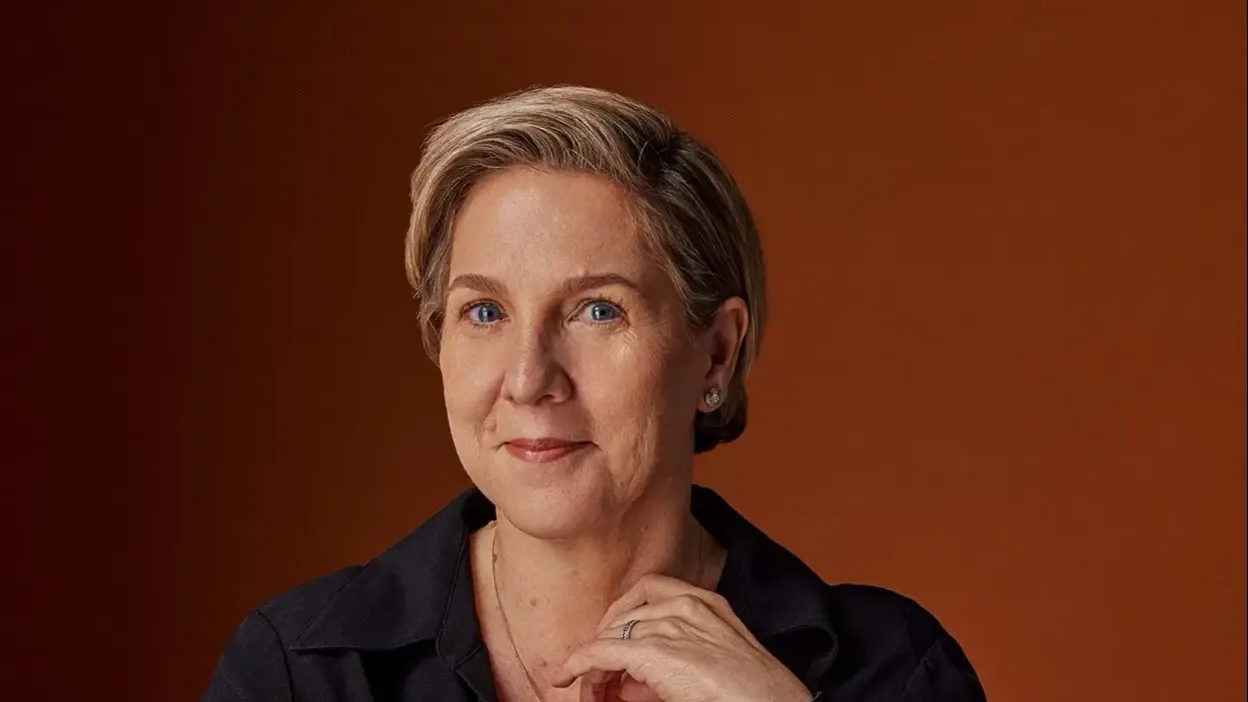
Regulatory filings show Tesla maintains seven independent board members under Nasdaq listing standards, including chair Robyn Denholm, Ira Ehrenpreis, former chief technology officer JB Straubel, Joe Gebbia, Jack Hartung, James Murdoch, and Kathleen Wilson-Thompson.2 Neither Musk nor his brother Kimbal Musk qualifies as independent under those rules.2 SpaceX lists six independent directors, including Ehrenpreis, Donald Harrison, Randy Glein, Steve Jurvetson, Luke Nosek, and Roelof Botha.2 Other SpaceX board members, including president Gwynne Shotwell and Valor Equity Partners founder Antonio Gracias, do not count as independent directors.2
The procedural path to approval differs sharply across the two businesses. Musk holds more than 50% of the voting power at SpaceX following its stock market debut earlier this year, which established him as the world’s first paper trillionaire.21 At Tesla, however, any merger requires approval from at least 50% of all outstanding shares, a threshold Musk characterized as “quite a high hurdle to achieve.”12
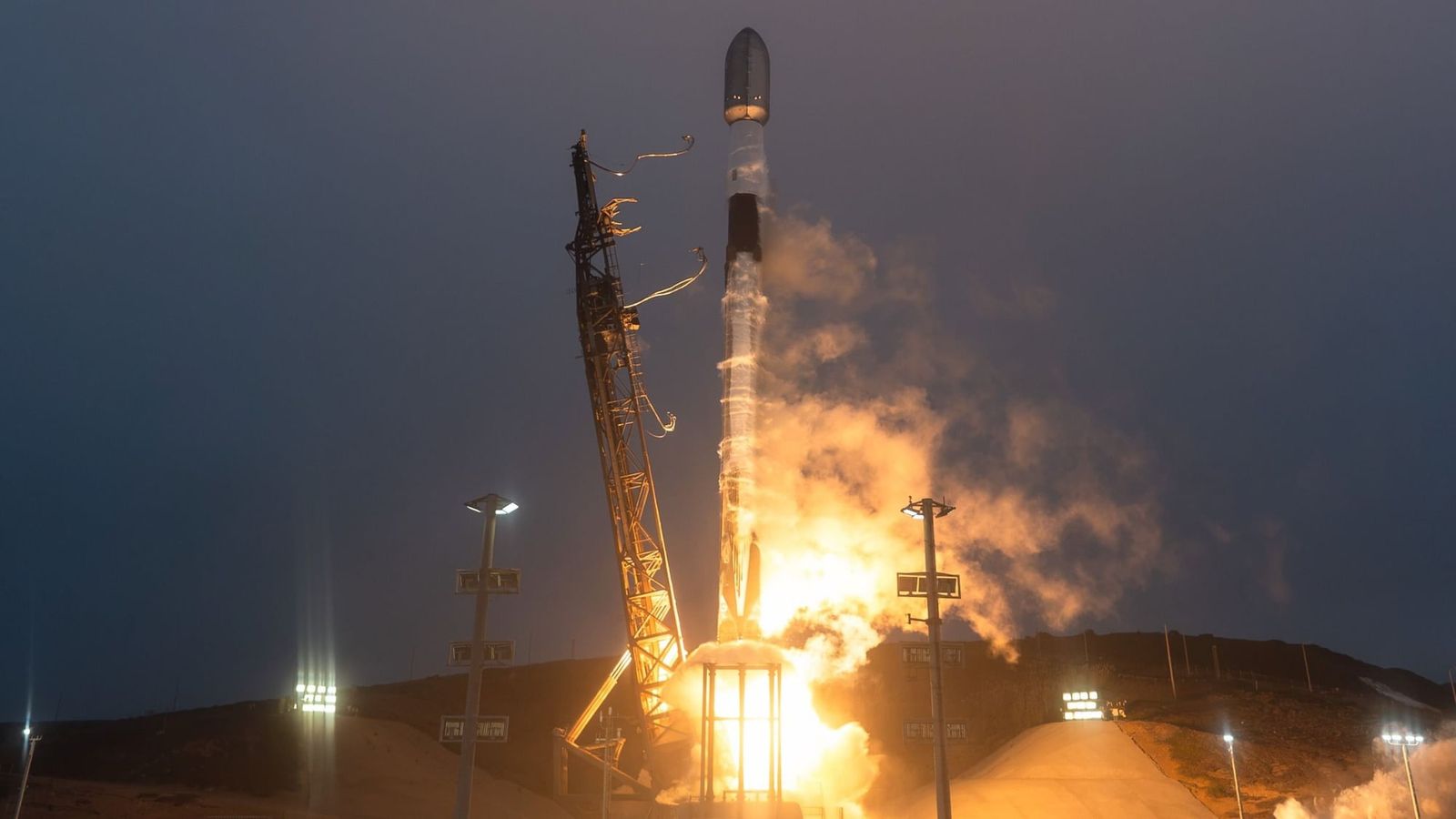
The proposal comes after a series of moves consolidating Musk’s various commercial interests. Before going public earlier this year, SpaceX acquired the artificial intelligence startup xAI as well as X, the social media platform formerly known as Twitter.14 Tesla and SpaceX also recently established Terafab, a joint effort to manufacture computer processing chips.12
Musk argued that a unified corporate structure would allow both operations to coordinate more effectively on computing hardware and artificial intelligence development.12 SpaceX recently expanded beyond orbital rocket launches and its Starlink internet satellite constellation into selling cloud computing capacity to technology firms, including Anthropic and Google.1 That compute segment generated $7.5 billion in revenue during the recent quarter, while Starlink recorded $5.2 billion.1 SpaceX remains unprofitable overall, posting a net loss of $1.1 billion so far this year.1
Tesla has simultaneously directed more manufacturing capital into robotics and automation. The company recently repurposed space at a California factory to produce Optimus humanoid robots and prioritised production of its Model Y and Model 3 vehicles over older product lines.45 Analysts who follow the companies note that pairing Tesla’s self-driving vehicle systems with SpaceX’s data centres and orbital communications networks could accelerate development across both lines, even as Tesla faces rising competition in electric vehicles from Chinese manufacturers such as BYD.45
David Nicholson, chief technology advisor at the market research firm Futurum Group, described the corporate combination as inevitable given the operational ties already linking the companies.4 Dan Sheehan, an investment analyst at Telos Wealth Advisors, noted that while the transaction would concentrate Musk’s holdings into a single stock, it would also leave Tesla investors with a smaller stake in a much larger and more complex corporate entity.45
The record
30 sentences trace to 5 sources.
-
1
BN
BBC News Document · bbc.co.uk · 20 Oct 2026 Elon Musk says Tesla-SpaceX merger being considered See the source
-
2
T
techcrunch.com Third-party reporting · techcrunch.com · 20 Oct 2026 SpaceX and Tesla boards form special committees to review merger | TechCrunch See the source
-
3
BN
BBC News Third-party reporting · bbc.com · 20 Oct 2026 Elon Musk considering Tesla-SpaceX merger See the source
-
4
BN
-
5
BN