Tesla net profit dropped 43% to $787 million
Capital spending more than doubled to over $3.7 billion as sales of emissions credits fell sharply.
Tesla reported a 43 percent drop in third-quarter net profit to $787 million, squeezed by shrinking automotive margins, falling solar revenue, and a sharp contraction in sales of regulatory credits to competing automakers.12
Total revenue for the period remained virtually flat at about $28 billion, compared with $28.24 billion in the third quarter of 2025.13 Automotive sales generated $20.6 billion, down 3 percent from a year earlier, even as the company delivered 486,532 vehicles and beat Wall Street expectations on adjusted earnings per share.123 Lower average selling prices across its aging vehicle lineup and constraints in securing battery supplies reduced revenue per unit.31
The sharper erosion arrived in segments that previously bolstered profitability during periods of automotive discounting. Revenue from solar installations and energy storage batteries dropped 16 percent year over year to $2.9 billion, even though the company deployed 13.7 gigawatt-hours of storage capacity during the quarter.12 Meanwhile, services and other revenue, which includes replacement parts and the Supercharger network, expanded by 33 percent to $4.6 billion.13
Sales of regulatory emissions credits, long an almost pure-profit cushion against automotive slumps, plummeted to $113 million from $417 million in the third quarter of 2025.1 Traditional automakers built up their own portfolios of electric vehicles over the past two years, reducing their need to purchase emissions credits from Tesla to satisfy environmental rules.1 In the United States, policy shifts championed by chief executive Elon Musk have also led toward the complete elimination of federal credits.1
At the same time, operating costs surged. Operating expenses rose 39 percent year over year to $4.8 billion, reducing Tesla’s operating margin to 2.6 percent from 5.8 percent a year earlier.12 Operating income fell roughly 56 percent to approximately $718 million, driven by climbing overhead, executive compensation expenses, and aggressive capital outlays for artificial intelligence hardware and data centers.21
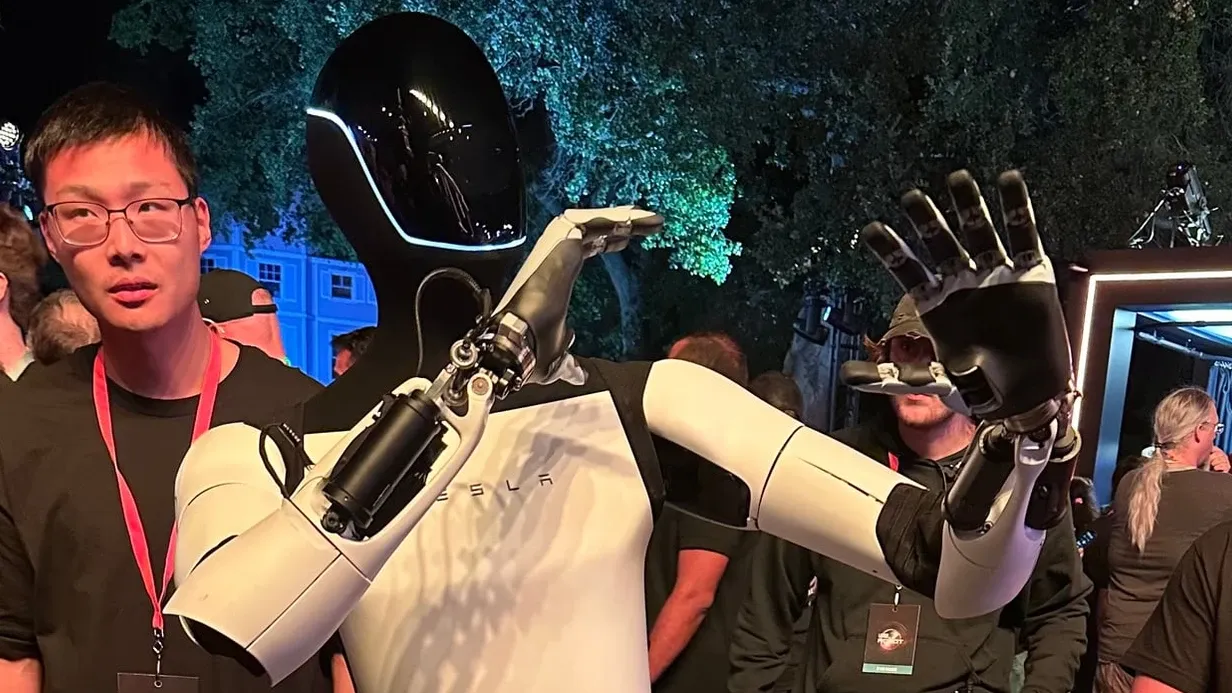
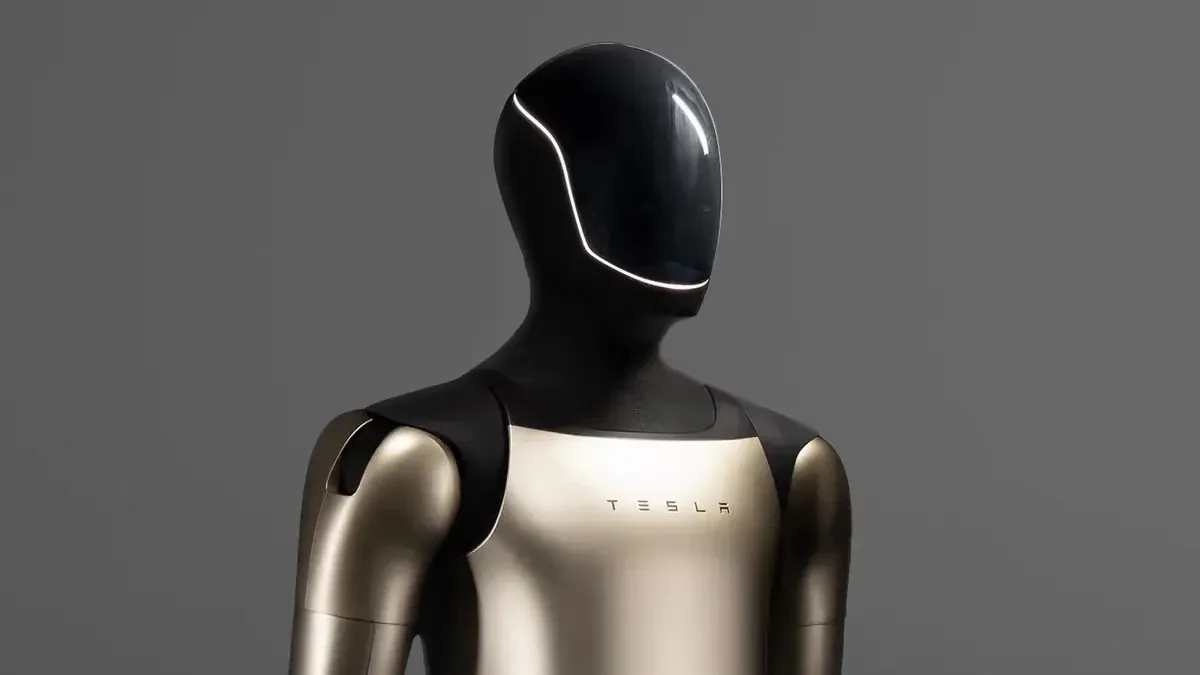
Capital expenditures rose 110 percent to $4.7 billion, with investments centered on computing infrastructure for autonomous driving models and humanoid robotics.123 Free cash flow plunged 62 percent to $1.5 billion, down from the prior year, after turning negative during the second quarter.13 The heavy capital deployment coincided with the start of production-quality Optimus humanoid robots at Tesla’s manufacturing plant in Fremont, California.2
Musk stated on an investor call that the company is making progress on the machine learning models required for Optimus, but acknowledged that substantial development remains before the units can perform open-ended tasks reliably in industrial settings.3 He told investors he expects current hardware and design limitations to be solved around the end of next year.3
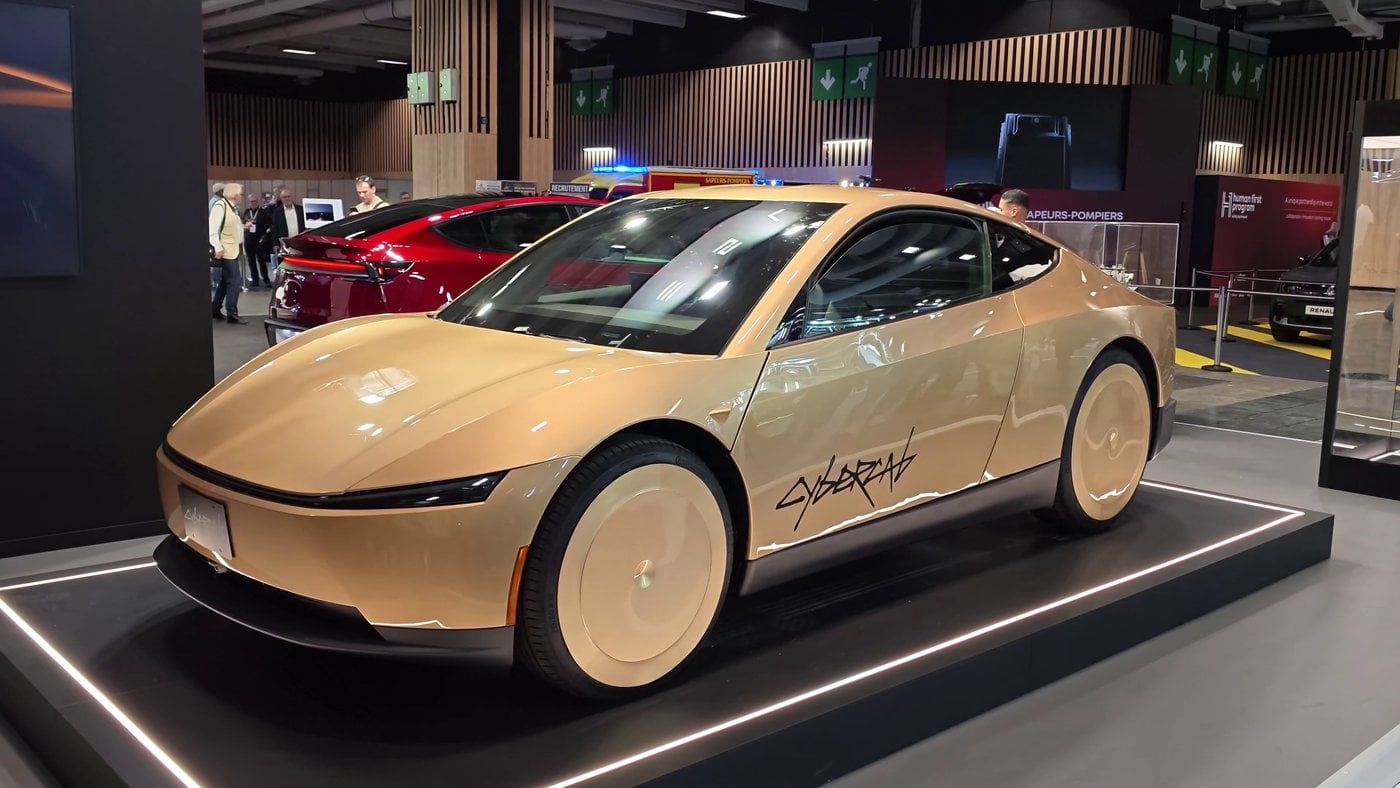
Tesla also accelerated testing of its Cybercab, a dedicated two-passenger robotaxi that began carrying passengers on September 3 in Austin, Texas.23 The company reported that its unsupervised fleet completed nearly two million cumulative miles in Austin by the end of the quarter, operating under Texas regulatory permits covering 449 Cybercab vehicles and 362 Model Y units.23 Musk projected that commercial operations would begin contributing to corporate revenue in 2027.3
Uptake of Tesla’s driver-assistance package, sold as Full Self-Driving Supervised for $99 per month in the United States, climbed 20 percentage points from the second quarter, reaching 1.74 million active subscriptions.32 Ashok Elluswamy, Tesla’s vice president of Autopilot, said the company plans to provide selected customer vehicles with access to an unsupervised version of the software around the second quarter of next year.32
The financial results arrived alongside discussions regarding corporate structure. Musk confirmed that boards at Tesla and SpaceX formed independent committees to evaluate a potential merger between the two companies.23 Addressing analysts on the post-earnings call, Musk declined to elaborate on the status of those deliberations, saying he had said everything that should be said.32
The record
23 sentences trace to 3 sources.
-
1
JM
Jonathan M. Gitlin Document · arstechnica.com · 21 Oct 2026 Tesla profits drop 43% in Q3 See the source
-
2
N
NewsCord Third-party reporting · newscord.org · 21 Oct 2026 Tesla Net Profit Falls 43% in Q3 2026 as Elon Musk Pushes SpaceX Merger Talks: 11 outlets compared | NewsCord See the source
-
3
C
CNBC Third-party reporting · cnbc.com · 21 Oct 2026 Tesla beats on earnings and sales even as auto revenue declines See the source