Shipwreck records show corporate psychopathy emerged with early shareholder capitalism
A study of the 1629 Batavia disaster links modern executive manipulation, bullying, and systemic cruelty to the dawn of multinational commerce.
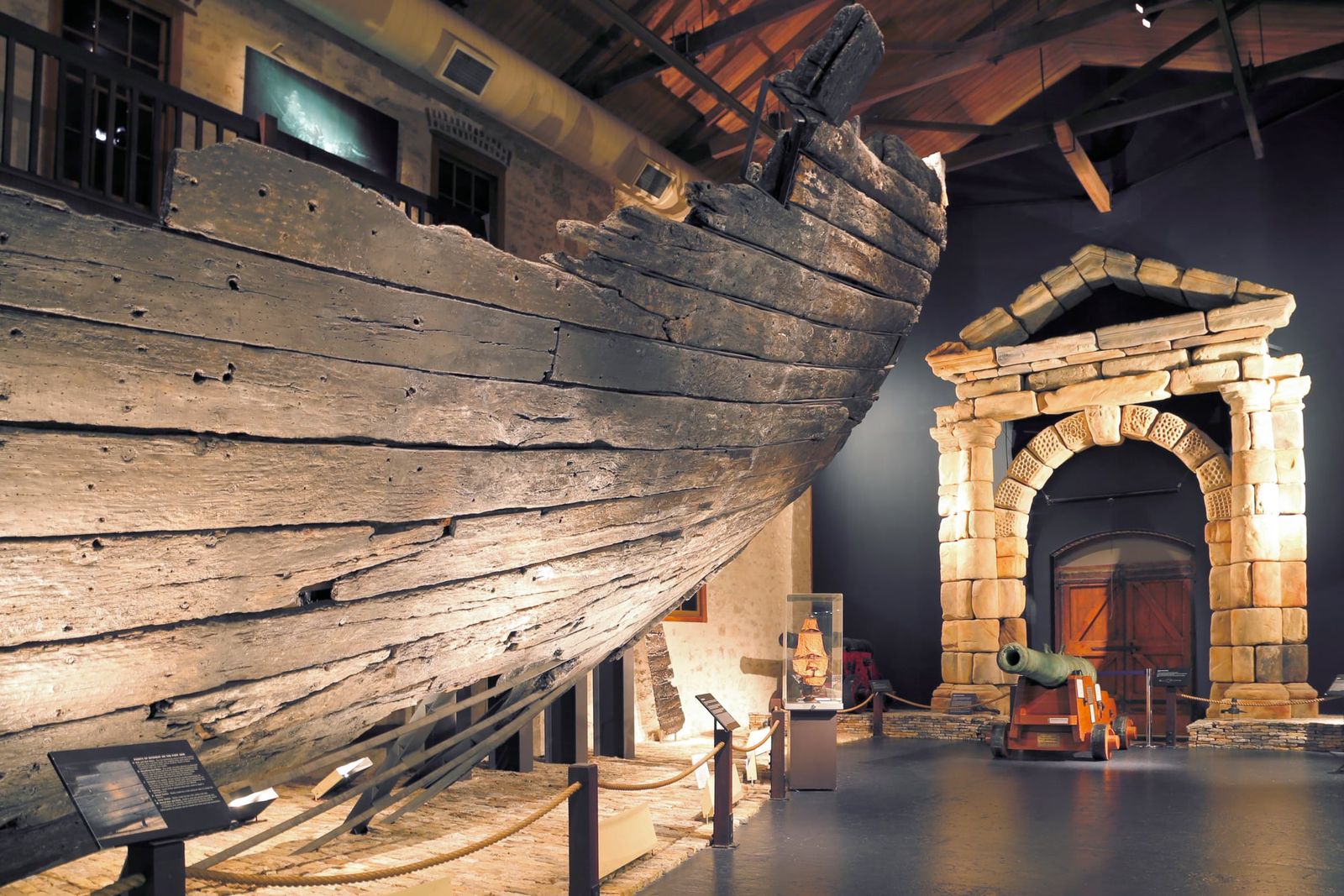
When absolute authority falls into the hands of an ambitious manager isolated from central oversight, organizational power can transform rapidly into organized cruelty. In modern companies, this dynamic manifests in executive bullying, corporate fraud, and the calculated destruction of rivals within managerial ranks.12 In early June 1629, an identical sequence of interpersonal manipulation and calculated elimination played out on a barren coral archipelago off the coast of Western Australia, carried to a lethal extreme.31
The events followed the wreck of the Batavia, a flagship belonging to the Dutch East India Company.31 The enterprise operated as the world's first multinational shareholder-owned corporation and had established an early stock exchange in Amsterdam in 1602.13 The stranded merchant who took command of the survivors did not merely preside over a breakdown of order.31 He deployed the formal instruments of corporate administration, including signed loyalty oaths, official councils, and resource rationing, to establish a violent regime that resulted in the slaughter of more than 100 men, women, and children.13
Understanding how destructive authority takes root requires following a predictable psychological chain. An ambitious operator enters a hierarchical system, masters its formal language, and uses superficial charm to gain the trust of senior superiors. Once sudden disruption removes higher oversight, that operator consolidates control by surrounding themselves with loyal subordinates, isolating dissenters, and rationing essential supplies under the pretext of organizational survival. Because the subordinates are forced to carry out increasingly severe actions, complicity binds them to their leader, making resistance difficult and turning a functional collective into an instrument of personal control.
That pattern matches the modern diagnostic framework for workplace psychopathy, according to a study published in the Asian Journal of Business Ethics.13 Clive R. Boddy, a management researcher and Associate Professor of Management at Anglia Ruskin University, concluded that Jeronimus Cornelisz, an under-merchant with the Dutch East India Company, represents what may be history's earliest identifiable corporate psychopath working inside a multinational enterprise.123 Clive R. Boddy reported that Cornelisz exhibited all 10 core characteristics used in modern organizational psychology to evaluate psychopathic managers.13
How did Jeronimus Cornelisz seize control of the Batavia survivors?
Jeronimus Cornelisz exploited his formal position as the highest-ranking merchant left behind on the islands to take command of approximately 200 survivors.13 The Batavia had departed the Netherlands in October 1628 on its maiden voyage toward Java, loaded with silver coins, trading merchandise, and hundreds of passengers.3 Before the ship struck a coral reef in the Houtman Abrolhos archipelago on June 4, 1629, Cornelisz had already allied with the ship's skipper, Ariaen Jacobsz, plotting a mutiny against the expedition commander Francisco Pelsaert.3
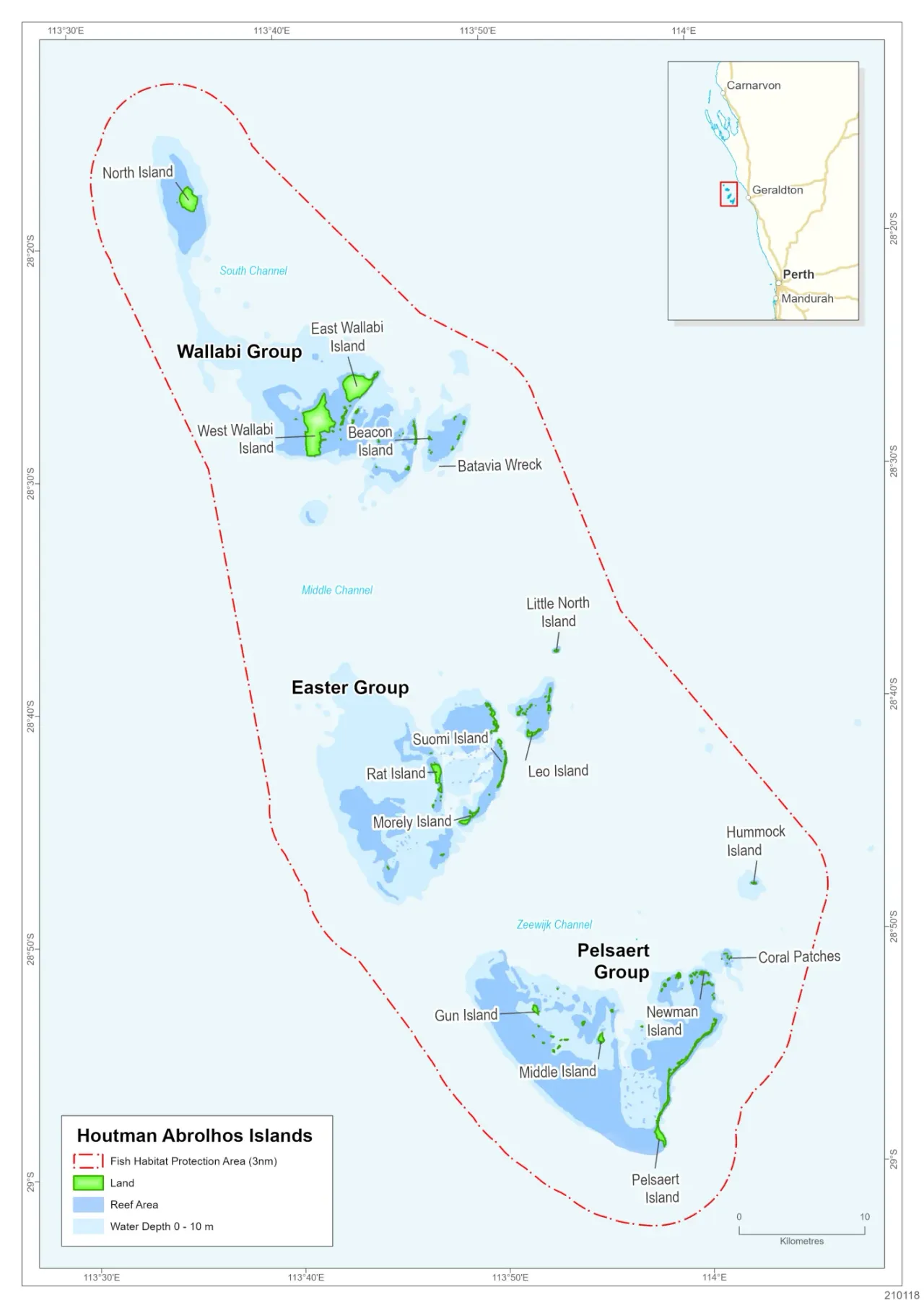
When the vessel broke apart, Francisco Pelsaert, Ariaen Jacobsz, and 46 others took an overloaded longboat to search for fresh water along the mainland before continuing on to Java for help.3 That left Cornelisz as the senior corporate officer on the islands.13 Cornelisz dismantled the existing governance structure by purging the ruling council and filling vacancies with committed conspirators.31 He required followers to swear personal oaths of allegiance to him, assumed the title of Captain-General, and systematically disarmed the civilian population.31
Cornelisz justified his subsequent killing campaign by asserting that dwindling water and food supplies could not sustain everyone.13 Over the following weeks, subordinates acting under his orders murdered more than 100 survivors, while several women endured sexual violence.13 Cornelisz rarely carried out the killings himself, instead demanding that his conspirators execute victims, which secured their dependence by making them legal accomplices to capital crimes.3
What traits linked the 17th-century merchant to modern executive behavior?
The behavioral profile of Jeronimus Cornelisz matches the ten established indicators of workplace psychopathy, including superficial charm, habitual deceit, manipulation, and an absolute absence of remorse.31 Clive R. Boddy evaluated historical documentation of the disaster, drawing on eyewitness testimonies, Dutch East India Company trial records, and historical work by Mike Dash in Batavia's Graveyard.3 The analysis demonstrated that Cornelisz systematically established an internal climate of fear, refused responsibility for administrative failures, and prioritized personal wealth and dominance over human life.13
The evaluation mirrors earlier empirical research on abusive institutional leadership. In a 2017 case study published in the Journal of Business Ethics, Clive R. Boddy analyzed a chief executive at a British charity who scored high on the corporate psychopathy scale, observing that the executive's bullying and lack of direction caused severe staff turnover, employee withdrawal, and institutional decline.3 In the Batavia disaster, Cornelisz operated from a comparable psychological position, using manipulation and division to suppress opposition before it could organize.
To prevent organized pushback on the archipelago, Cornelisz dispatched a detachment of company soldiers to a distant island under the pretext of searching for drinking water.31 He calculated that the men would perish from dehydration and starvation on the barren ground, removing them as a military threat without requiring an open battle.3 The strategy reflected a classic organizational maneuver: exiling competent peers while maintaining an outward appearance of routine operational management.
Why did the rival survivor settlement experience a different outcome?
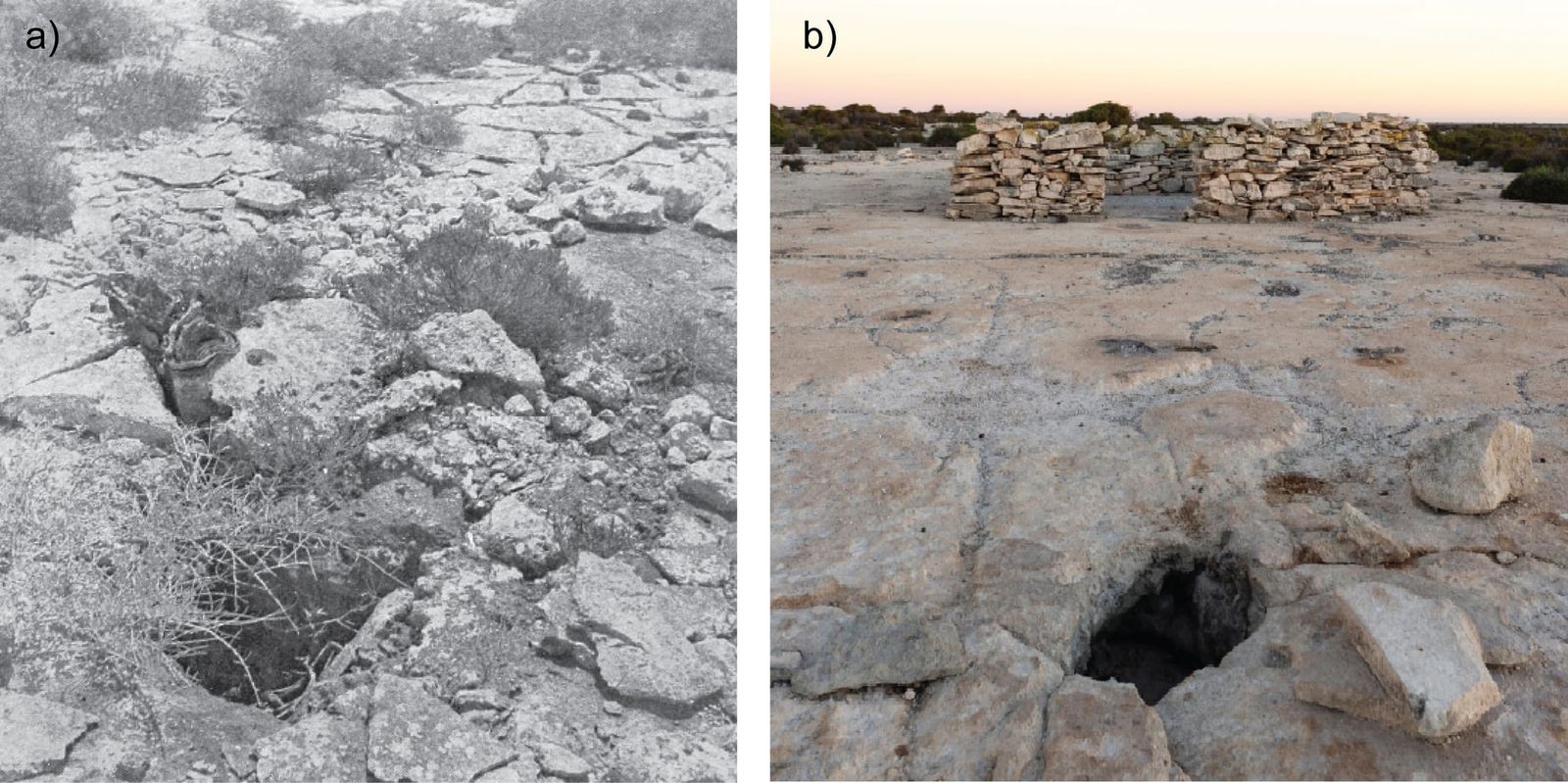
A separate group of survivors led by the soldier Wiebbe Hayes survived and resisted because their leader established cooperative teamwork and discovered vital natural resources.13 Marooned on a nearby island by Cornelisz, Hayes and his men located two freshwater wells, seabird eggs, and reliable sources of food including fish, seals, and wallabies.13 One survivor later recalled that the island appeared to hold enough sustenance for everyone for a thousand years.13
As escaped survivors fled the massacres on Cornelisz's island, Hayes learned of the killings and assembled a cohesive defensive force of 46 men and a boy.3 The soldiers constructed a defensive stone fort, placed sentries on watch, and shaped makeshift pikes and weapons out of salvaged wreckage timber and coral rock.3 Hayes maintained discipline by distributing sustenance equitably and securing the safety of the collective.
Cornelisz attempted three separate armed assaults against Hayes's encampment.3 The first two attacks by mutineers were repelled by defenders who held their ground, and during the third attack, Cornelisz attempted to use peaceful negotiations to stage a surprise assault.3 Hayes's soldiers recognized the deceit, captured Cornelisz, and killed several attackers.3 When the company rescue vessel finally returned from Java, Hayes raced ahead of the remaining mutineers in a small boat to alert Francisco Pelsaert, ending the mutiny and resulting in the arrest of the conspirators.3
What are the limits of applying modern psychological profiles to historical records?
The conclusions drawn from historical accounts represent a retrospective case evaluation rather than a clinical psychological diagnosis of a living subject. Historical records and trial proceedings can document actions and statements, but they cannot independently measure neurocognitive functions or confirm internal mental states with clinical certainty.3 The Batavia accounts were recorded under extreme duress, and legal interrogations conducted by the Dutch East India Company had administrative and judicial goals rather than psychiatric aims.
The ecological settings of the two survivor camps also prevent the disaster from serving as a perfectly controlled social experiment.3 Hayes's group occupied an island that possessed freshwater wells and abundant wildlife, whereas Cornelisz's followers were marooned on a far more desolate strip of coral with restricted water and food supplies.31 Material deprivation could have accelerated tensions and desperation among Cornelisz's followers independently of executive psychopathy, even though archaeological excavations on Beacon Island confirm that victims suffered extensive trauma from sharp blades.3
The findings emphasize that corporate psychopathy is not an artifact of modern office complexes, but an organizational hazard that accompanied the invention of joint-stock enterprise.13 When hierarchical structures reward ruthless self-interest and disconnect operational managers from oversight, destructive leaders can use corporate authority to exploit the individuals under their command. Preventing abusive leadership requires establishing governance checks that scrutinize ethical character, distribute oversight, and protect organizations from individuals who view colleagues as expendable assets.
The record
39 sentences trace to 3 sources.
-
1
E
eurekalert.org Third-party reporting · eurekalert.org Study identifies world’s first corporate psychopath See the source
-
2
S
Springer Third-party reporting · ideas.repec.org · 1 Jan 2017 Psychopathic Leadership A Case Study of a Corporate Psychopa See the source
-
3
TT
Tudor Tarita Document · zmescience.com · 23 Oct 2026 Scientists May Have Identified the World’s First Corporate Psychopath See the source