Meta posts 18% European ad growth under EU privacy rules
Third-quarter advertising sales in Europe reached $14.23 billion while North American revenue expanded by 33 percent.
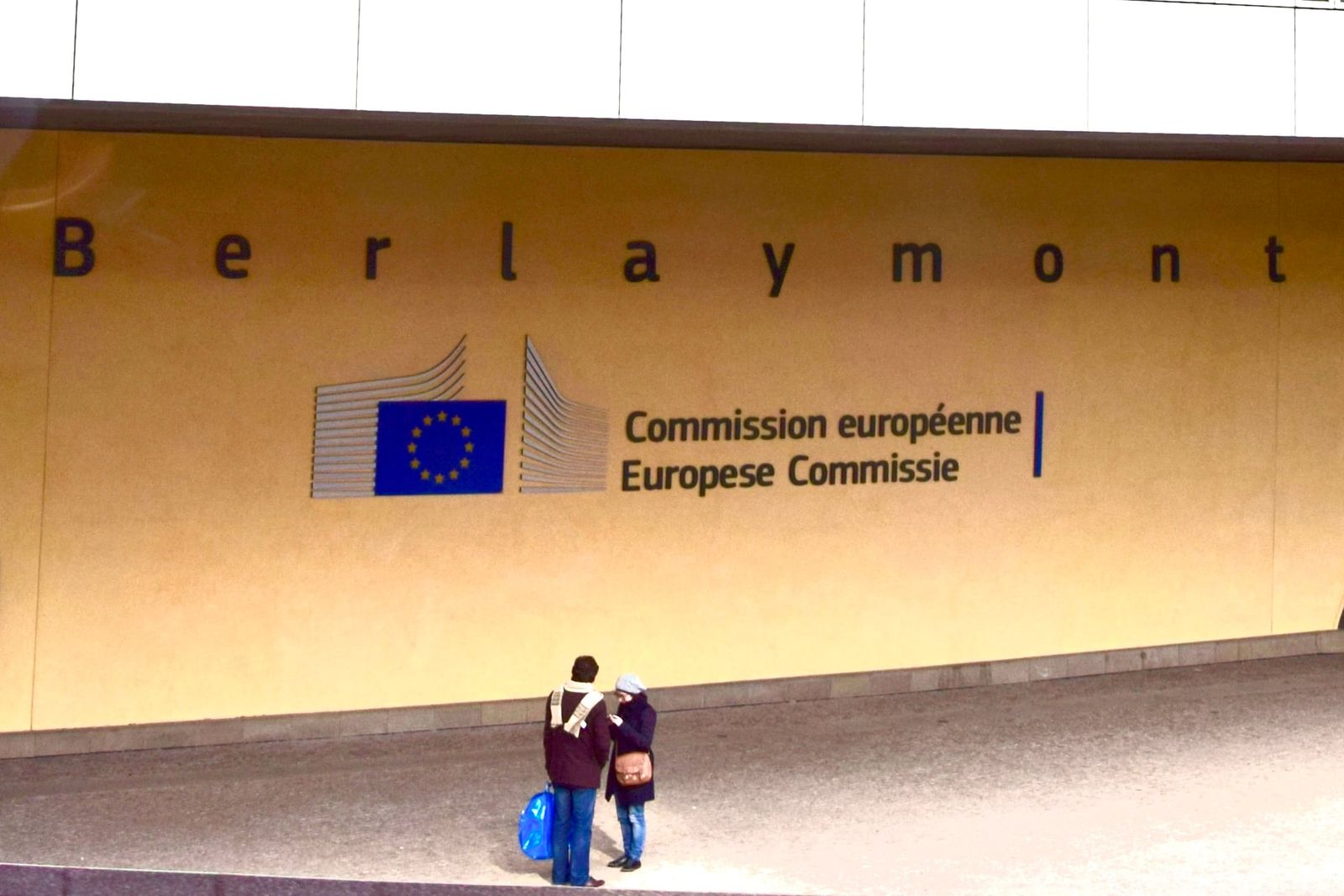
European advertising revenue at Meta expanded 18 percent year-on-year in the third quarter of 2026, falling behind the 33 percent rate recorded across the United States and Canada.12
The regional slowdown followed the European Union rollout of a system that allows Facebook and Instagram users to receive advertisements based on less personal information.12 Meta reported global advertising revenue of $63.1 billion for the three months through September, an overall rise of 26 percent compared with the third quarter of 2025.2 The European market generated $14.23 billion of that total, up from $12.07 billion recorded during the same quarter one year earlier.2
Regional ad revenue had already decelerated across prior periods, slipping from roughly 40 percent growth to 24 percent across the two preceding quarters.12 Over that same time frame, advertising revenue growth in the United States and Canada moved from 30 percent to 31 percent before climbing to 33 percent in the third quarter.21
Regulatory pressure reshapes ad delivery
The deceleration coincides with the introduction of Meta's Less Personalized Ads option at the start of 2026.12 The company introduced the model after European Union regulators concluded that its previous subscription setup breached obligations under the Digital Markets Act.12 In November 2023, Meta presented European users with a choice between paying a monthly fee for an ad-free service or agreeing to broad data tracking for targeted promotions.21 European Commission officials determined that charging users who declined tracking did not provide an equivalent alternative, and authorities imposed a fine of 200 million euros.12

Under the revised arrangement introduced in January 2026, European users can select a free tier that limits targeting signals to basic context.21 Meta stated that the model relies on roughly 90 percent less personal data than standard commercial targeting.12 The system populates promotions based on a user's current session activity alongside baseline demographic indicators such as age, gender, and general location.12
Meta appealed the 200 million euro penalty in European courts, where legal proceedings remained ongoing through July.2 The European Commission indicated that it would evaluate adoption rates for the less personalized tier, though regulatory authorities have not published figures tracking how many people selected the option.2 Meta also declined to disclose user participation totals across the different tiers.12
Reduced signals affect pricing
Advertising performance metrics softened as tracking data contracted. Meta warned in regulatory responses that less personalized campaigns demonstrate lower conversion efficiency.12 The company noted that accounts running on minimal personal data generate fewer finished sales transactions and prompt higher dismissal rates from users who label un targeted material irrelevant or repetitive.12
Advertisers adjusted their bidding patterns accordingly. The prices commercial buyers paid per advertisement in Europe grew at a noticeably slower pace than rates seen in North American inventory during the third quarter.12 Dominic Ball, equity research director at market analysis firm Rothschild & Co Redburn, pointed to the regulatory design as a central factor behind the regional divergence, saying the European Union's free personalized advertising option contributed directly to the regional slowdown.12

Executive leadership previously acknowledged that the data restrictions would weigh on regional commercial receipts. Chief financial officer Susan Li told investors during a second-quarter review that the company observed commercial consequences once the option reached full deployment across the continent, noting that the system could act as an ongoing headwind.12
Engineering alternatives through machine learning
During the third-quarter presentation, Li did not explicitly link the European deceleration to the regulatory policy, but she maintained that the business retains substantial operational room to lift returns.12 Li told investors that the company sees considerable runway to improve commercial conversion rates and platform efficiency by refining the underlying recommendation architecture.12
Ball indicated that Meta will likely succeed in using artificial intelligence to bolster commercial targeting efficiency in Europe despite working with fewer personal data points.1 Investor attention during the earnings presentation focused heavily on Muse, the conversational artificial intelligence agent that Meta introduced in September.1
Li said the company observed high commercial intent among early users who turned to the assistant for product evaluations, comparative research, and vendor suggestions.1 Management expects that consumer reliance on the conversational system will create commercial inventory that Meta can eventually monetize through advertising partnerships.1 For the final quarter of 2026, the company projected total global revenue between $73 billion and $76 billion.2
The record
28 sentences trace to 2 sources.
-
1
W
WIRED Document · wired.com · 22 Oct 2026 Meta’s Ad Sales Are Suffering Now That Europeans Can Pick Less Personalization See the source
-
2
I
infobae.com Third-party reporting · infobae.com · 22 Oct 2026 Meta creció solo 18% en publicidad en Europa tras ofrecer anuncios menos personalizados por orden de la UE See the source