Gulf economies face 4.8% contraction as regional war spreads
Falling oil production and shipping disruptions in the Strait of Hormuz push regional fiscal deficits to 2.3% of output.
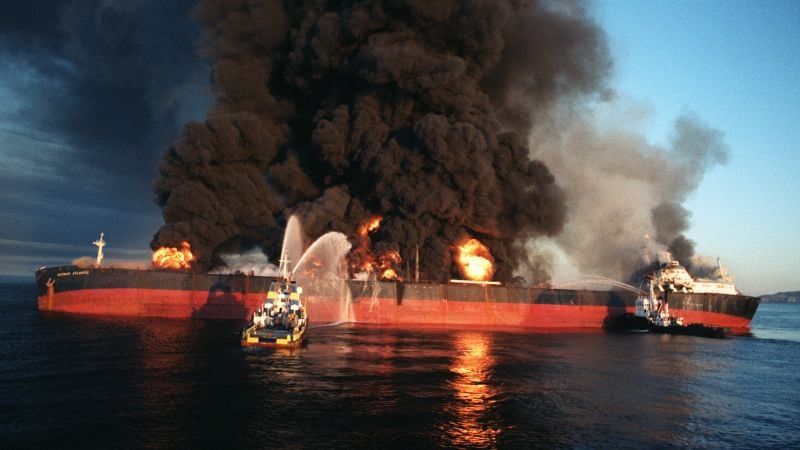
War disrupts regional energy corridors
Gulf economies will shrink 4.8% this year as regional conflict disrupts energy production and transport routes, according to the International Monetary Fund's regional economic outlook.123 The projected contraction marks a sharp reversal from 4.5% growth recorded across the six-member Gulf Cooperation Council last year.1 The regional downturn approaches the severity of the pandemic shock in 2020, when the bloc's gross domestic product declined by 4.9%.12
"This conflict has disrupted energy production, shipping, tourism, trade, and confidence," Jihad Azour, director of the IMF's Middle East and Central Asia department, said at the report's presentation in Dubai.12 Azour said the burden of the disruption has fallen most heavily on oil-exporting economies directly affected by interruptions to production and transit.1 The fund lowered its 2026 economic growth forecast for the bloc by 6.8 percentage points from the 2% expansion projected in April.1
Hydrocarbon production among affected Gulf exporters fell from 33 million barrels per day in February to 19 million in May after hostilities disrupted traffic in the Strait of Hormuz.13 In Qatar, energy output dropped by as much as 86% during the height of the disruption.31 Although Gulf crude shipments recovered to more than 75% of prewar levels by September with commercial tankers moving under military escort, lost output over six consecutive months created an economic deficit that late-year rebounds have failed to erase.13
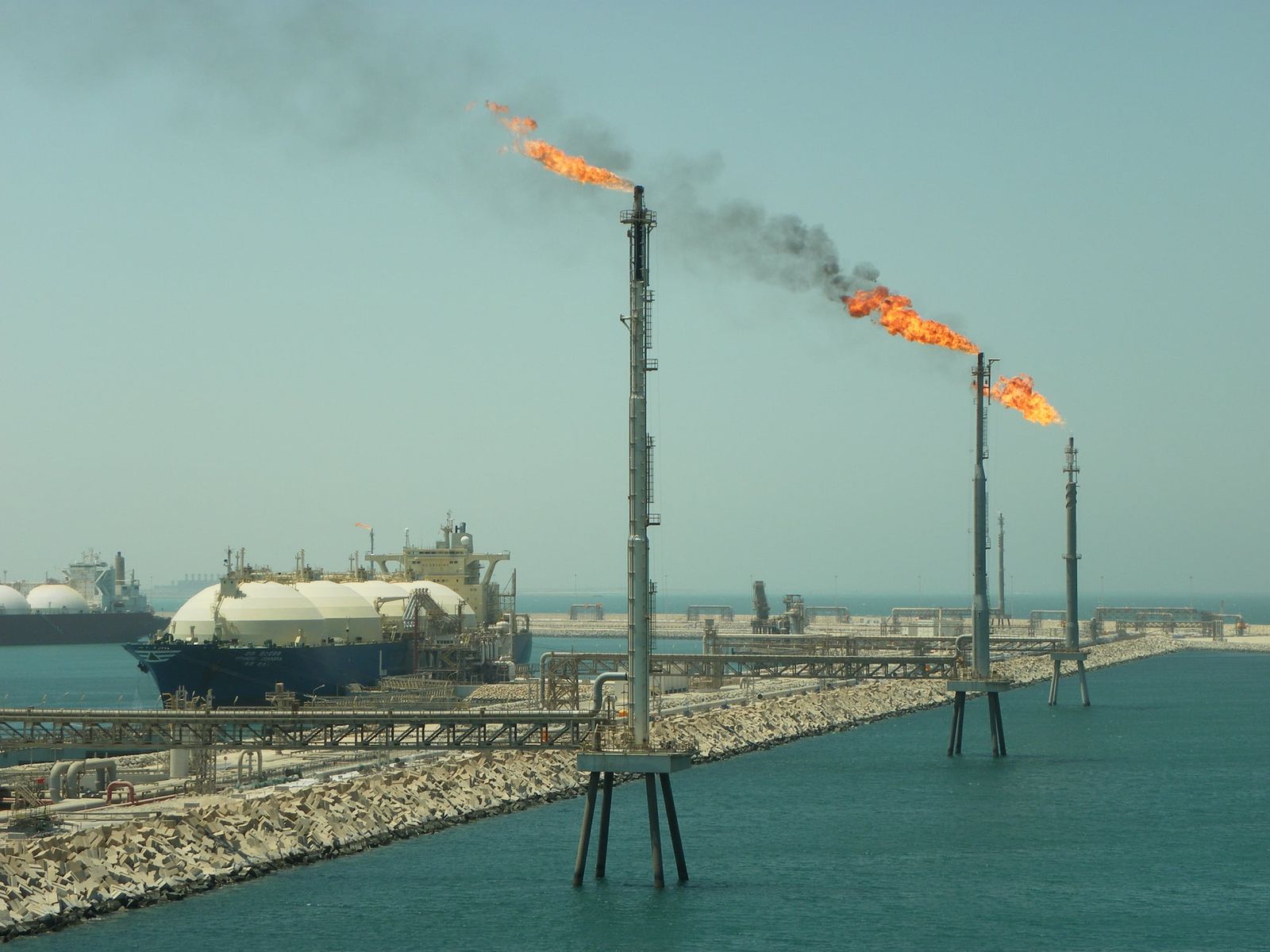
Uneven toll across member states
The economic impact has diverged sharply based on export geography and alternative infrastructure. Kuwait, Qatar, and Bahrain face the steepest downturns, with projected economic contractions of 16.7%, 15.6%, and 11.3% respectively.13 Tim Callen, a visiting fellow at the Arab Gulf States Institute in Washington and former head of the IMF's GCC division, noted that those three countries remain the most exposed because of their near total reliance on the Strait of Hormuz for maritime commerce.3
Saudi Arabia and the United Arab Emirates have experienced milder contractions of 3.3% and 3.9% respectively, supported by domestic pipeline networks that bypass the strait.31 Saudi authorities redirected crude volumes through pipeline infrastructure linking oilfields to terminals on the Red Sea, sustaining exports between five million and six million barrels per day despite regional tension and attacks from Yemen's Houthis. Callen noted that Saudi export stability remains conditional on keeping the East-West pipeline fully operational following attacks by Iraqi militia groups.3
Oman stands as the single economy in the bloc expected to expand this year, with projected growth of 4.1%.13 The sultanate's coastline sits outside the Strait of Hormuz, shielding its maritime access from blockades and direct strikes.3 Azour said earlier economic reforms and diversification measures enacted before the outbreak of hostilities supported domestic activity and bolstered commercial confidence across the Omani economy.12
Fiscal buffers and sovereign debt pressures
The downturn has eroded regional financial cushions that historically insulated Gulf states against external volatility. The bloc's current-account surplus is expected to narrow to 1.3% of gross domestic product this year, down from 5% in 2025.12 Across the six nations, the combined fiscal deficit is projected to widen to 2.3% of gross domestic product from 0.8% last year, while regional consumer price inflation rises to 2.7%.12
Crude oil prices are forecast to average close to $96 per barrel this year before moderating to $87 in 2027, with price spikes briefly reaching $110 late this year.1 While higher prices provided partial cash flow relief to producers with operational export routes, sovereign balance sheets show widening disparities. While most member states retain substantial reserve assets, Bahrain faces acute fiscal pressure, with public debt exceeding 150% of gross domestic product and foreign exchange reserves falling 50% since March.23 The kingdom has engaged in discussions for financial assistance led by the United Arab Emirates.2
Rebound hinges on shipping normalization
The IMF projects the regional economy will rebound to 9.1% growth in 2027, with non-oil activity expanding 4.5% across the bloc.132 However, that projected recovery depends on regional hostilities ending and maritime traffic through the Strait of Hormuz gradually returning to normal patterns in early 2027.13 Non-oil output across the bloc is forecast to contract 0.8% this year, with four member nations experiencing outright contractions in non-hydrocarbon activity.12
Analysts emphasize that persistent conflict threatens to depress domestic investment and private sector activity even if crude production volumes stabilize. Hasan AlHasan, senior fellow for Middle East policy at the International Institute for Strategic Studies, said geopolitics now occupies center stage in both immediate economic performance and regional planning.1 Without a permanent diplomatic settlement, Callen warned that continued hostilities will suppress consumer confidence and prolong fiscal strains across the region.3
The record
26 sentences trace to 3 sources.
-
1
TN
The National Third-party reporting · thenationalnews.com · 22 Oct 2026 Gulf economies to contract 4.8% this year with sharp recovery in 2027, IMF says | The National See the source
-
2
MS
Mohammed Sergie Document · semafor.com · 23 Oct 2026 Gulf faces economic contraction nearly as acute as COVID shock See the source
-
3
A
alhurra.com Third-party reporting · alhurra.com · 23 Oct 2026 Oil is Flowing Again, but Gulf Economies are Still Headed for Contraction, IMF says | Alhurra See the source