Fed keeps benchmark rate unchanged at 4% despite two dissents
Cleveland Fed President Beth Hammack and Governor Lisa Cook voted for a quarter-point increase as policymakers debated inflation and artificial intelligence spending.
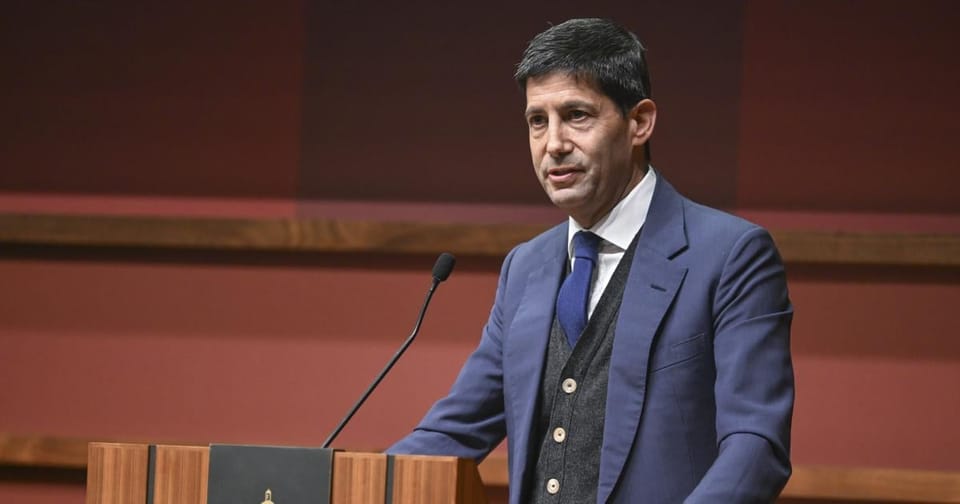
The Federal Reserve voted to keep its benchmark interest rate unchanged in a range between 3.75% and 4%, pausing after a September increase even as persistent price pressures divided the central bank leadership.12 The decision left the federal funds rate at the level established last month, when policymakers approved a quarter percentage point hike.13 Two members of the Federal Open Market Committee opposed the hold, voting instead for an immediate quarter-point increase to counter stubborn inflation.21
Cleveland Fed President Beth Hammack and Fed Governor Lisa Cook cast the two dissenting votes.21 The vote marked Cook's first dissent since joining the board of governors in 2022 as an appointee of President Joe Biden.12 In July, Dallas Fed President Lorie Logan and Minneapolis Fed President Neel Kashkari had joined Hammack in dissenting against an earlier rate hold, but both regional bank heads voted with the majority this time.1
The formal policy statement acknowledged that inflation remains elevated and dropped language explaining the prior rate increase.1 The committee stated that the accumulation of more information will help determine whether additional tightening is required to return price growth to its 2% target.13 Policymakers also upgraded their assessment of general economic activity, characterizing national expansion as proceeding at a strong pace rather than the solid pace noted in September.1
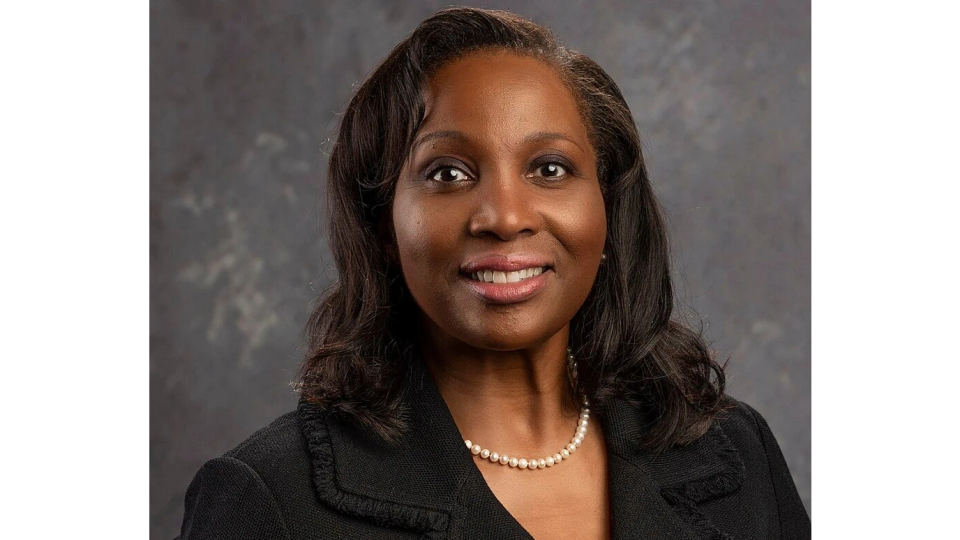
Fed Chair Kevin Warsh struck a resolute tone during his post-meeting press conference, seeking to dispel suggestions that the central bank might soften its vigilance against inflation.21 Warsh told reporters that if anyone believed policymakers would tolerate price growth above their target, they should abandon that assumption.2 He pointed to gross domestic product revisions that lifted first-half growth estimates from 1.8% to 2.4%, alongside estimates from the Atlanta Fed GDPNow tracker pointing to 3.4% annualized growth in the third quarter.31
The rate decision arrived less than a week before nationwide congressional midterm elections on November 3.13 President Donald Trump, who originally appointed Warsh, has repeatedly argued that interest rates should be lower and warned the central bank against approving borrowing costs increases ahead of the vote.21 Warsh rejected the premise that political considerations entered the room during the two-day gathering.23 He told reporters that he did not hear an utterance or reference concerning politics or upcoming elections from any participant throughout the deliberations.32
The administration has also renewed its conflict with Cook over allegations concerning disclosures on home loan applications.12 The White House recently sought to remove Cook from her seat, an effort previously halted by the Supreme Court, and requested her appearance at a private hearing next week.21 Warsh told reporters that neither he nor the central bank would have any role in those proceedings.2
Beyond immediate electoral friction, policymakers debated the macroeconomic consequences of the heavy capital investments pouring into artificial intelligence infrastructure.23 Cook delivered an address last month highlighting how the computing boom has added to inflationary pressure across the technology industry.2 Warsh took a different view at the press conference, suggesting higher borrowing costs have started to temper the frenzy as lenders scrutinize capital expenditure plans.23 He noted that credit spreads have widened for certain technology assets and investors have become more selective in committing capital to debt-financed computing buildouts.
Warsh announced that an internal central bank task force dedicated to evaluating artificial intelligence will hold a formal hearing next month.2 The group forms part of a broader review of monetary strategy that Warsh introduced to reconsider institutional routines.32 He acknowledged that the various internal panels he established may not finish their work by the end of the calendar year as originally planned, because evaluating the long-term impact on productivity and price stability requires more examination.
The review will also reshape how the Federal Open Market Committee schedules its votes.31 Beginning in 2027, the central bank will conduct one meeting each year dedicated exclusively to broad monetary strategy, dropping a formal interest rate vote and policy statement from that session.13 By 2028, Warsh said the committee intends to schedule two strategy gatherings and six traditional rate-setting meetings each year.3 Warsh argued that setting aside space for strategic deliberations without immediate market pressure will allow the central bank to examine systemic questions over longer horizons.32
The record
28 sentences trace to 3 sources.
-
1
C
 CNBC
Third-party reporting
· cnbc.com · 28 Oct 2026
Fed holds rates steady despite concerns over inflation
See the source
-
2
EM
 Eleanor Mueller
Document
· semafor.com · 28 Oct 2026
Fed holds rates steady despite dissents
See the source
-
3
C
CNBC
Third-party reporting
· cnbc.com · 28 Oct 2026
Fed meeting recap: Warsh says central bank will host fewer rate-setting meetings in future years
See the source