Hardware suppliers slump as Nasdaq sheds $2.5 trillion
Midterm election results and power permitting hurdles hit semiconductor and grid infrastructure vendors harder than cash-rich hyperscalers.
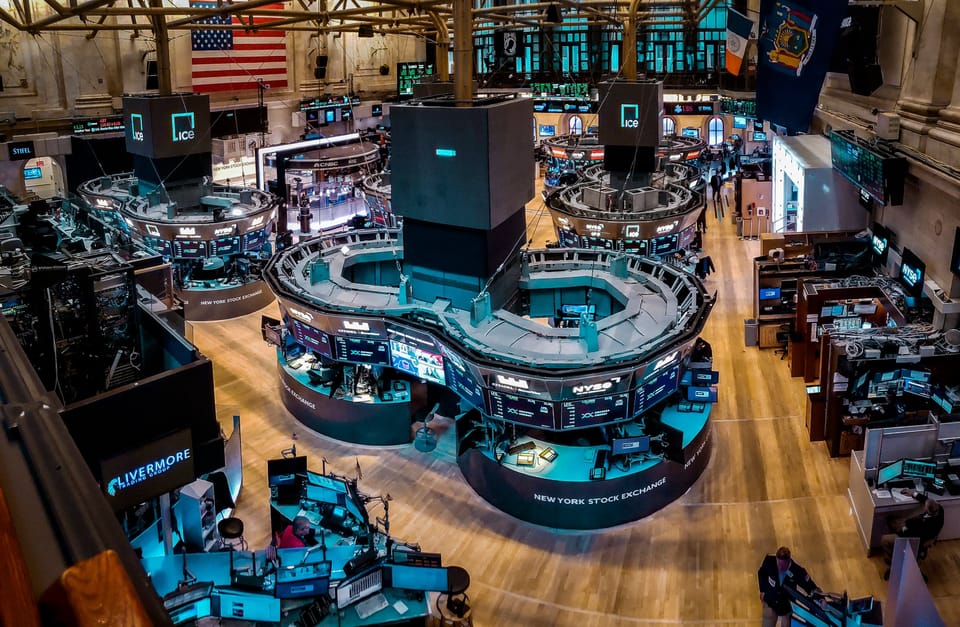
A steep selloff across equity markets erased roughly $2.5 trillion in market capitalization from the Nasdaq on Thursday, pushing the index into correction territory.12 The retreat extended across broader indexes as the S&P 500 tumbled 4.4% and the Dow Jones Industrial Average dropped 1,833 points, or 3.44%, to close at 51,523 points.2 While the losses touched every major sector, trading patterns revealed a stark divide between the companies funding artificial intelligence infrastructure and the vendors manufacturing the components required to build it.2
The largest technology buyers experienced comparatively modest declines during the rout. Alphabet dropped 2.29%, Microsoft slipped 3.25%, and Amazon declined 3.55%.1 In contrast, suppliers providing memory chips, server architecture, advanced processors, and electrical distribution equipment suffered double-digit losses. Advanced Micro Devices dropped 14.83%, Micron Technology fell 14.18%, Dell Technologies lost 12.88%, and power equipment manufacturer GE Vernova fell 11.88%.1
That valuation gap reflects growing pressure on capital expenditure budgets across the tech sector. Recent financial disclosures showed that Alphabet recorded negative $9.1 billion in free cash flow for the third quarter.1 Amazon reported trailing 12-month free cash flow of negative $42.4 billion, even as the company guided toward $220 billion in annual capital spending.1 Hyperscale operators possess established software, advertising, and cloud platforms capable of generating cash to absorb elevated capital demands, whereas component manufacturers remain tightly tethered to uninterrupted procurement schedules.1

Equipment providers face similar exposure if construction timelines stretch. Shares of Nvidia fell 7.53% during the session, Broadcom dropped 8.07%, Lam Research slid 12.44%, and Applied Materials shed 10.31%.1 Market expectations had priced these businesses for rapid, friction-free expansion of utility-scale computing facilities, leaving little room for regulatory or physical delays.1
Midterm elections introduce regulatory friction
Political developments in the United States have intensified those operational risks. Midterm election results delivered congressional majorities to Democrats alongside gubernatorial victories in Texas, Georgia, and Ohio.12 Those three states account for a substantial portion of near-term planned domestic data center capacity.1 Winning candidates had campaigned on slowing or halting data center approvals in response to rising residential electricity rates.1
The political shifts raised immediate concerns over utility interconnect approvals. A utility board freeze on a 500-megawatt interconnection permit can quickly suspend server rack and graphics processor deliveries planned for early quarters.1 Without guaranteed transmission capacity, hyperscale operators cannot deploy arriving computing clusters, creating potential inventory build-ups for upstream suppliers.
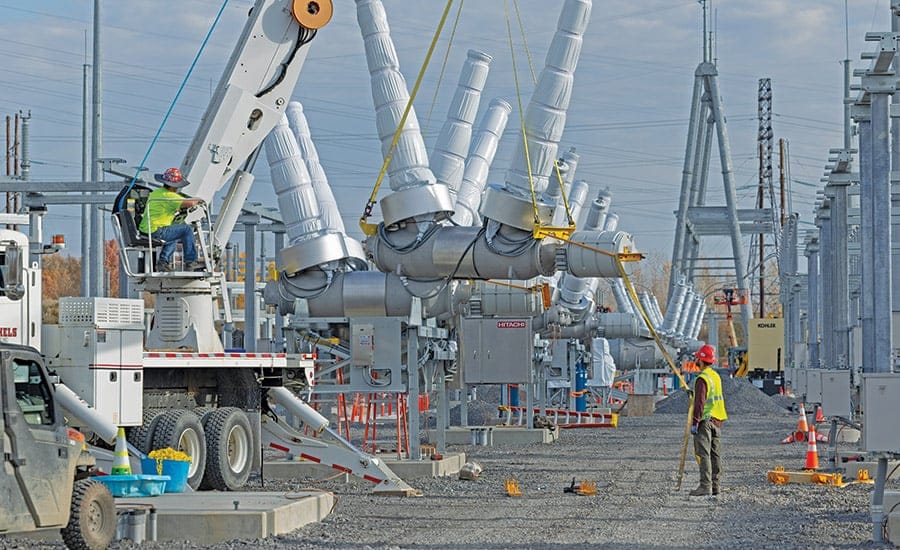
Broader political scrutiny of artificial intelligence computing also weighed on investor sentiment. Expectations that federal lawmakers will examine electrical consumption and infrastructure standards added uncertainty to corporate earnings projections across the semiconductor supply chain.2
Consumer hardware slumps as memory shifts to servers
Compounding the infrastructure bottlenecks, the consumer electronics market is absorbing ripple effects from server component allocation. Qualcomm shares dropped 12.65% after the company disclosed that handset chip sales declined 26%.1 Global smartphone shipments fell 20% to a 14-year low, reflecting broader softening in retail hardware demand.1
That contraction stems in part from component supply reallocations made by memory fabricators. Manufacturers including Micron and SK Hynix shifted substantial wafer capacity toward high-bandwidth memory for server accelerators, restricting the supply of standard dynamic random-access memory and flash storage.1 The resulting price increases for standard memory forced smartphone makers to raise retail prices, which dampened consumer purchases of upgraded devices.1
The convergence of negative cash flows at major buyers, local grid resistance, and weak consumer demand has concentrated selling pressure on hardware specialists.1 With utility boards reassessing power loads and balance sheets absorbing multi-billion-dollar outlays, the suppliers positioned between power plants and data halls bear the immediate brunt of market recalibration.
The record
20 sentences trace to 2 sources.
- 1 $2.5T has been wiped from US stocks See the source
- 2 S&P and Nasdaq Close Lower See the source