Nvidia board reinstates Jensen Huang after unanimous vote
Employees clashed over leadership standards and governance inquiries as the chief executive returned to headquarters following his abrupt exit.
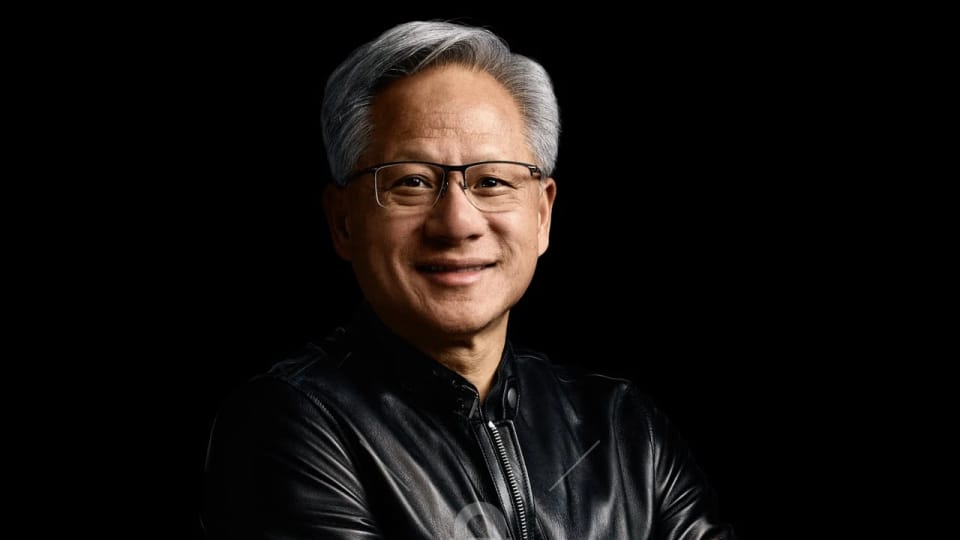
Nvidia directors voted unanimously on November 23, 2026, to return Jensen Huang to his roles as president, chief executive officer, and board member.12 The decision immediately concluded the tenure of chief financial officer Colette Kress as interim chief executive, returning her responsibilities entirely to corporate finance.1 While company shares surged following the announcement, the decision to bring back the chipmaker's co-founder has exposed profound divisions across its global workforce.12
A divided reception at headquarters
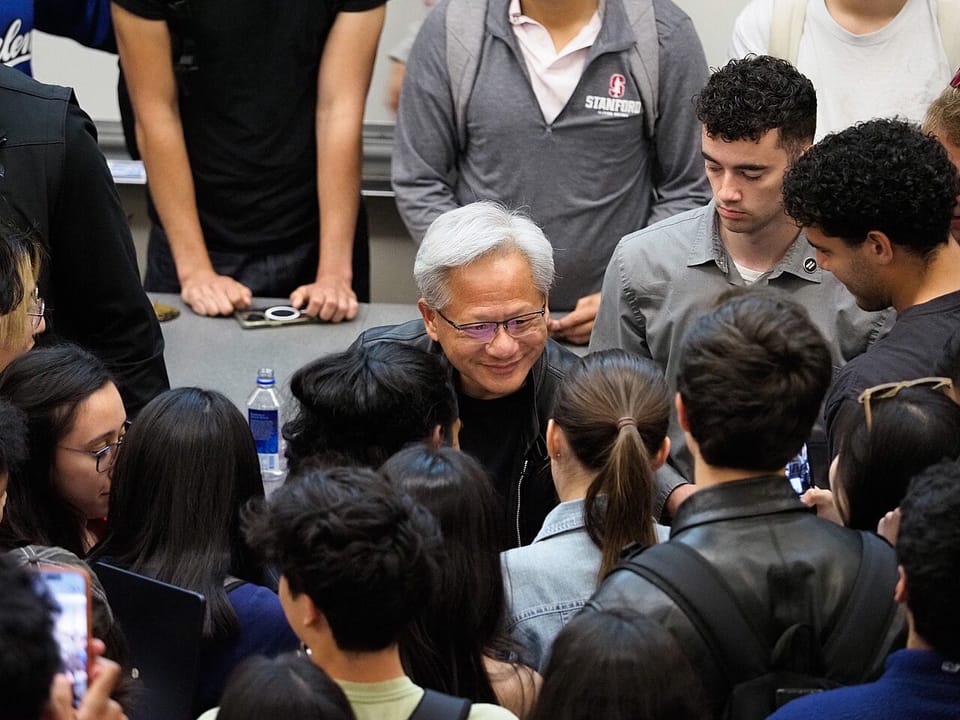
When Huang walked back onto the company campus in Santa Clara, California, on Monday, vocal supporters met him with cheers, raucous applause, and physical embraces.2 Supporters had pushed for his restoration through public petitions and internal appeals, celebrating his decades of technical foresight.2 Huang addressed employees gathered near the entrance, stating that he planned to do a better job during his second term running the company.2 By Monday afternoon, he had not distributed a formal corporate message to staff members because his office computer equipment was still being reconfigured.2
The celebratory scene masked deep dissatisfaction among other staff members who had welcomed his initial departure earlier in the month.2 Several current and former employees viewed the leadership vacancy as an opening to reform a culture that discouraged dissent and tolerated harsh workplace treatment.2 Many workers spoke on condition of anonymity, pointing to fears of internal retaliation or hostility from colleagues who remain fiercely protective of the founder.2
Internal discussions reviewed after the announcement captured employee unease regarding the board's decision to bypass unresolved personal and professional allegations. The concerns centered on reports that Huang engaged in extramarital relationships, including one with an internal subordinate and another with a suspected Chinese intelligence operative.2 Some staff members argued that reinstating the chief executive compromised fundamental corporate accountability and rendered mandatory workplace standards meaningless.2
One employee wrote on an internal message board before Huang returned that while staff recognized missteps occurred, the core dispute involved what conduct the workforce could accept. The employee noted that working at a company where such conduct was dismissed without serious accountability created significant personal discomfort.2 Another worker stated plainly that if Huang returned to his post, they would refuse to attend future human resources compliance training sessions.2
Petition scrutiny and internal debate
Supporters of the chief executive had organized a public petition titled Stand with Jensen, which claimed signatures from more than 10,000 self-identified Nvidia personnel.2 The total enterprise workforce encompasses approximately 49,000 direct employees alongside 18,000 contract personnel.2 The petition served as public proof of grassroots backing among rank-and-file engineers who credited Huang with creating immense financial wealth through early investments in artificial intelligence processing systems.2
Inside internal discussion channels, however, employees questioned the integrity of the public signature drive. One worker informed colleagues that a manual check of the roster revealed fabricated names, including obvious fictitious entries and celebrity personas such as media personality Mia Khalifa.2 The employee reported identifying 75 fraudulent signatures within a single hour of review, arguing that outside parties had inflated the public count to manufacture an impression of unified support.2
Longtime engineering manager Jason Sequeira addressed the internal tension publicly, writing that the decision presented conflicting principles that divided veteran employees.2 Sequeira noted that one faction viewed Huang's technical contributions to the computing sector as sufficient justification for a second chance, while another maintained that carving out exceptions for prominent executives established an unacceptable standard.2 He concluded that balancing those competing arguments left many workers without a straightforward resolution.
Complaints over management style and nepotism
Interviews with former staff members highlighted persistent grievances regarding daily management practices across executive suites. Former colleagues stated that Huang frequently elevated his voice during internal reviews, directing sharp criticism at personnel he considered complacent following historic gains in market valuation.2 Multiple workers described an environment where questioning leadership initiatives carried severe professional risks, leaving staff hesitant to surface operational problems.2
Former senior system software engineer Praveen Mhapsekar, who parted ways with the business after conflicts with management and personnel representatives, argued that internal complaints routinely triggered pushback against those raising issues.2 Mhapsekar stated that a business commanding global influence cannot function like a private garage venture where personal relationships override formal operating protocols.2 He emphasized that durable corporate operations require institutional discipline and documented systems rather than unchecked individual authority.2
Employee frustrations also extended to the visible influence of Huang's family members within corporate management. His two children, Spencer Huang and Madison Huang, hold prominent senior titles across operational divisions, as does his son-in-law.2 Staff members pointed to instances where family standing appeared to shield aggressive conduct toward colleagues during official technical meetings.
During a March conference call involving approximately 100 staff members, Madison Huang confronted an employee who submitted an inquiry regarding workshops for OpenClaw technology scheduled for a corporate developer event.2 A meeting participant recalled that she scolded the worker publicly, asking if the employee was stupid and asserting that anyone's mother could construct such an assembly.2 The exchange circulated widely among technical staff as evidence of uneven workplace conduct that went unaddressed by senior leaders.
Independent oversight and board investigations
The corporate board announced that an independent inquiry into foreign intelligence interactions remains active and will proceed to its formal conclusion.12 The board had initiated that review on November 8, 2026, after receiving initial reports that foreign intelligence services had targeted Huang.3 At that time, directors stated they had no reason to believe proprietary technology or national security assets had suffered compromise, while noting that outside legal counsel would supervise factual findings.3
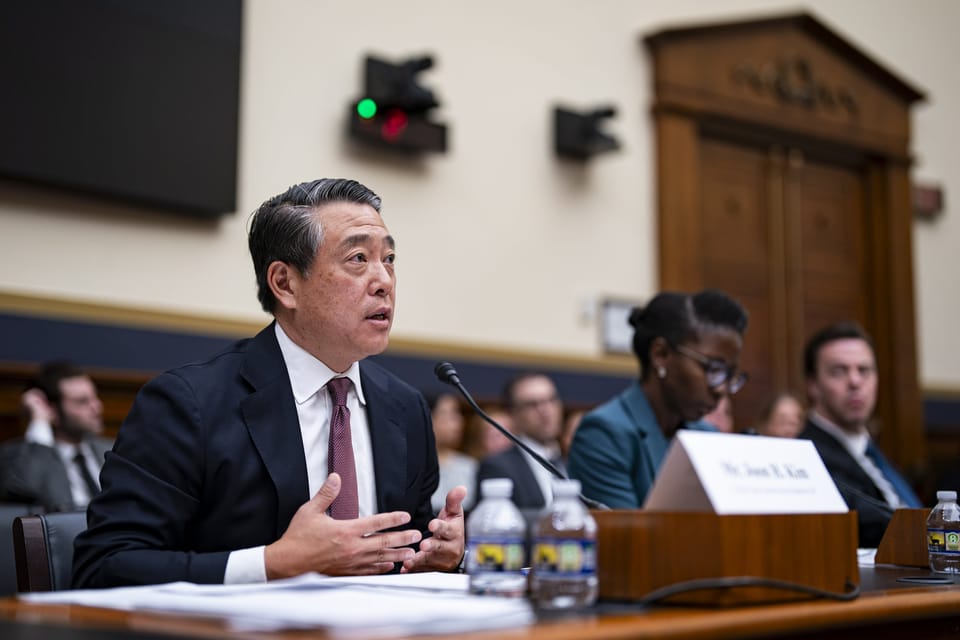
On November 10, independent board members engaged outside legal counsel, retaining Joon H. Kim, the former acting United States attorney for the Southern District of New York, along with attorneys from Wachtell, Lipton, Rosen & Katz.4 Directors confirmed that the legal team's mandate involves examining all relevant operational communications and establishing whether foreign entities sought improper access to company executives.
To address ongoing scrutiny, the board created a dedicated national security and export control oversight committee and initiated a search for a permanent chief compliance officer.14 Those administrative additions aim to insulate corporate compliance from executive influence while federal regulators evaluate export limits on advanced hardware. Political figures also commented on the leadership reversal, with United States President Donald Trump stating he played an instrumental role in urging directors to restore Huang to his executive post.2
While Huang's return reestablishes familiar management over chip production schedules, the friction revealed during his brief absence signals that internal corporate consensus has frayed. Workers who voiced objections over executive privilege, nepotism, and workplace discipline now operate under the same leadership they sought to reform, testing whether administrative committees can restore confidence across the organization.
The record
35 sentences trace to 4 sources.
- 1 Jensen Huang Returns as NVIDIA CEO After Unanimous Board Vote See the source
-
2
W
 WIRED
Document
· wired.com · 24 Nov 2026
Inside Nvidia, Not Everyone Is Celebrating Jensen Huang’s Return
See the source
- 3 Statement From NVIDIA Board of Directors See the source
- 4 Statement From the Independent Members of the NVIDIA Board See the source