Donald Trump lobbies Nvidia board to reinstate Jensen Huang
The chipmaker reversed its firing within six days following a presidential call, setting up congressional testimony and cabinet divisions.
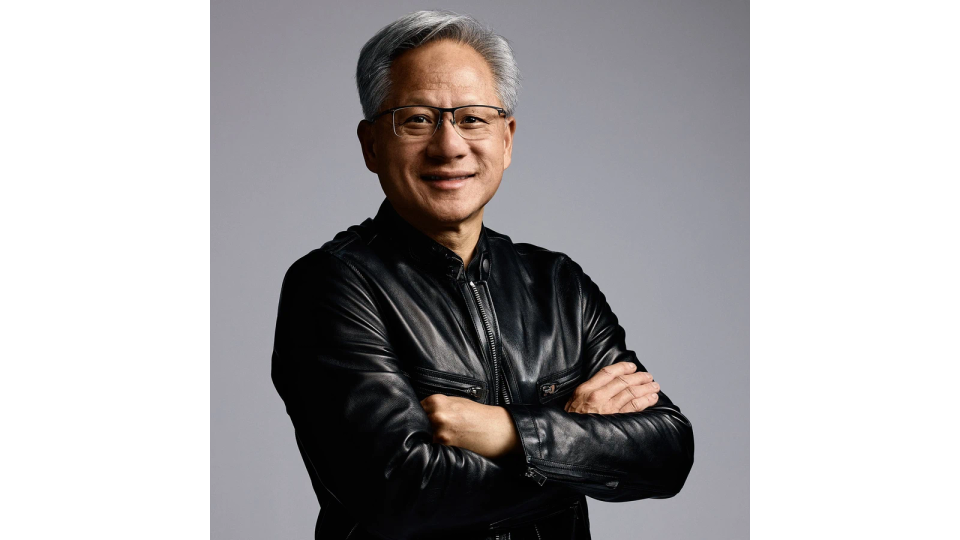
Nvidia's board of directors reversed its decision to remove chief executive Jensen Huang within six days of firing him, reinstating the co-founder following a direct intervention by President Donald Trump.12 Trump placed a telephone call into the board's Sunday meeting to lobby directors on Huang's behalf, describing the executive as a national treasure.1 The sudden reversal returned Huang to the helm of the semiconductor manufacturer, but it leaves the executive tied to political backing while an internal investigation into his conduct remains underway.1
A telephone call reverses a dismissal
The board dismissed Huang without concluding its fact-finding process and agreed to bring him back while the inquiry remained unresolved.1 Law firm Wachtell and investigator Joon Kim were retained to conduct the investigation into Huang's personal conduct and executive governance.1 The allegations confronting Huang involve personal relationships connected to customers and national security considerations that exposed the executive to potential compromise.1
Huang's return to the company stabilized its shares on Monday, though the rebound recovered only about one-third of the market value Nvidia had surrendered since AI-related equity trading softened in September.1 The market reaction reflected relief among investors who view the chief executive as central to the company's valuation, yet the rally leaves the stock well below its prior highs.1
Divided cabinet and Capitol Hill hearings
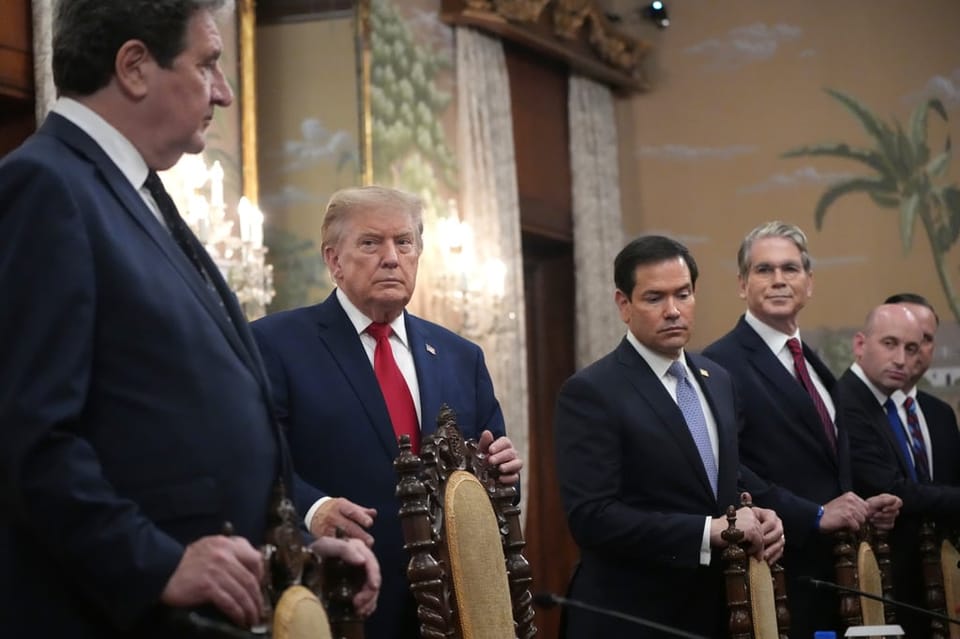
The presidential lobbying effort behind the reinstatement immediately ignited political conflict across Washington, exposing fissures within the administration over technology policy and export enforcement.21 Vice President JD Vance supported Huang's return to Nvidia, taking a posture that diverged from the more hawkish orientation of Secretary of State Marco Rubio.2 Both Vance and Rubio are widely viewed by party strategists as potential contenders for the Republican presidential nomination in two years.2
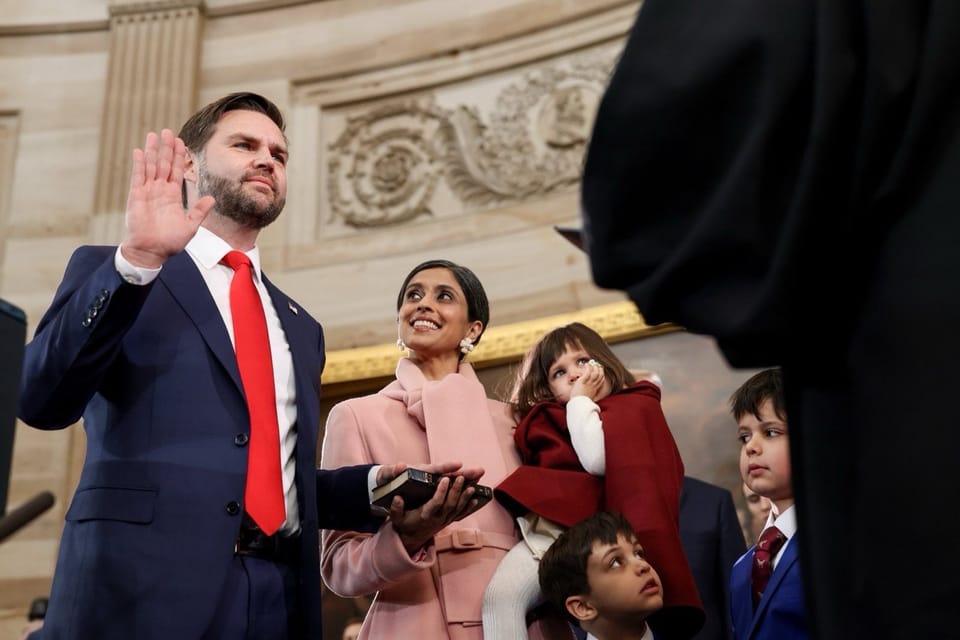
Democratic governors and senators sharply criticized the White House intervention, pointing to the reversal as an example of improper political interference in corporate governance.2 The controversy has already triggered congressional scrutiny.2 Both Huang and the United States commerce secretary, who faces criticism over the administration's enforcement of semiconductor export controls, are scheduled to testify before congressional committees.2
Structural strains on data centers
Beyond political and regulatory scrutiny in Washington, Huang resumes leadership amid tightening financial conditions across the artificial intelligence sector.1 Capital has grown costlier across the industry, curtailing the rapid experimental phase of corporate deployment.1 Cloud hyperscalers, having depleted substantial cash reserves on initial infrastructure purchases, have increasingly turned toward external capital pools, including Canadian investment sources, to finance subsequent project phases.1
Physical bottlenecks also threaten the pace of continued expansion. The ongoing construction of specialized data centers faces vulnerability to localized building delays and electric utility grid hook-ups.1 At the same time, artificial intelligence software laboratories confront commercial friction with corporate customers whose software spending must ultimately fund signed procurement agreements for Nvidia processors, General Electric power turbines, and Dell computer servers.1
The record
19 sentences trace to 2 sources.
-
1
LH
 Liz Hoffman
Document
· semafor.com · 24 Nov 2026
View: Jensen Huang’s Nvidia comeback leaves him unfireable and indebted to Trump
See the source
-
2
S
semafor.com
Third-party reporting
· semafor.com · 24 Nov 2026
Jensen Huang’s Nvidia return shakes Washington
See the source