Nasser hospital buys emergency syringes lasting three days
An emergency warehouse purchase bought temporary relief for the facility, which anchors care for 2.2 million people facing severe supply delays.
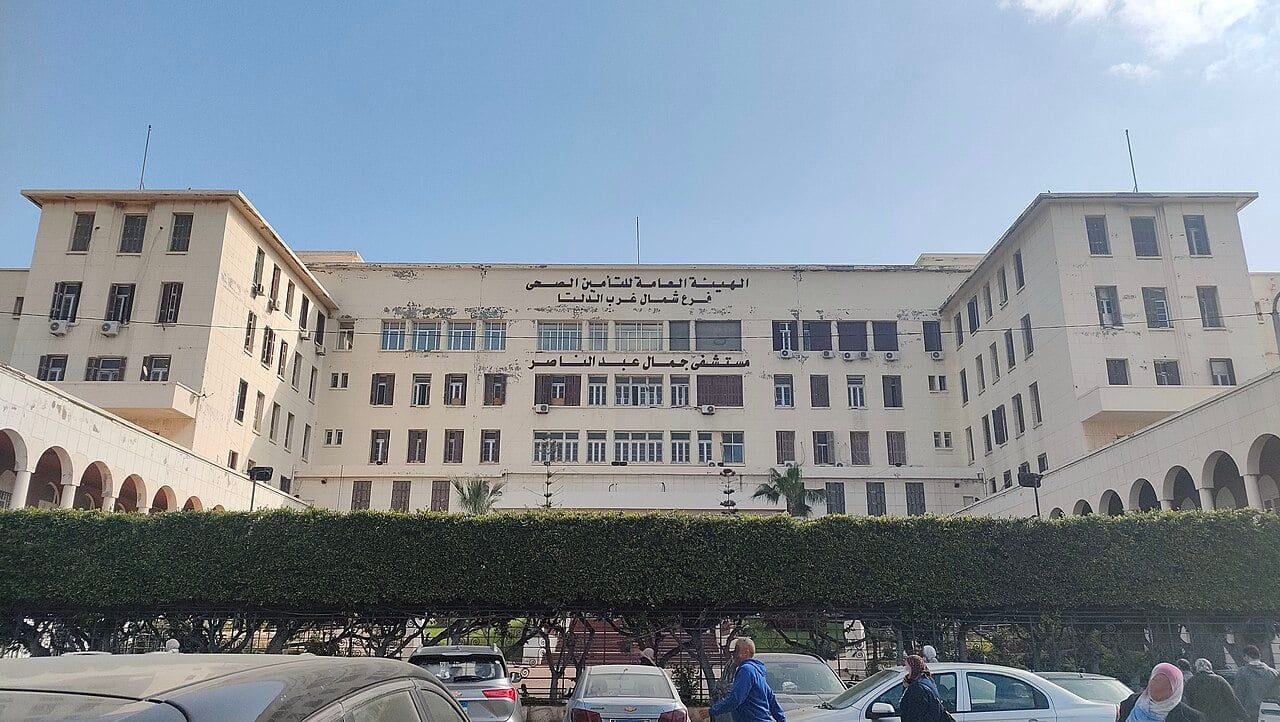
Nasser Medical Complex in southern Gaza has completely exhausted its supply of medical syringes, leaving clinicians unable to administer routine intravenous medications, cardiac drugs, or pain relief across the facility.12
The advocacy organization Doctors Against Genocide announced on October 2, 2026, that the depletion threatens a total operational shutdown at the institution, which serves as the largest remaining hospital in the territory for a population of 2.2 million civilians.12 While hospital staff located 800 boxes of syringes in an external warehouse, the Palestinian Ministry of Health in Gaza lacked the funds to complete the purchase under the territory's economic collapse.1 Doctors Against Genocide provided emergency funding to secure the 800 boxes, but the organization stated the reserve will sustain clinical operations for only two to three days.1
The absence of syringes is disrupting basic inpatient and emergency medical procedures throughout the facility.1 Without functioning delivery supplies, medical personnel cannot administer insulin, intravenous antibiotics, or emergency interventions to incoming trauma cases.1 The group reported that family members have attempted to locate and purchase individual syringes outside the facility, while nurses have resorted to reusing wound dressings and operating without basic examination gloves, which are also out of stock.1
A physician working inside Nasser Medical Complex described the collapse in care as an acute moral and medical emergency.1 "Today we don’t have a single syringe to administer medicine to a patient suffering before our eyes," the physician said.1 The doctor added that the inability to provide basic clinical care under the siege reflected the destruction of the human spirit alongside physical structures.1
Delays and inspection bottlenecks
Doctors Against Genocide attributed the shortages directly to the Israeli military's blockade on humanitarian goods and strikes against medical storage infrastructure.1 The group warned that thousands of preventable patient deaths remain imminent unless aid corridors reopen without restrictions.1
International health authorities have registered similar alarms regarding the passage of critical medical cargo into the enclave.3 The World Health Organization confirmed that approved humanitarian aid is currently restricted to entering Gaza through Kerem Shalom at the southern tip of the strip, while the Rafah crossing remains limited to the travel of select individuals and medical evacuees seeking overseas treatment.3 Four other northern and central crossing points, including Kissufim, Gate 96, Erez, and Erez West, remain shut under Israeli military control.3
Reinhilde Van De Weerdt, the World Health Organization representative in Palestine, said that repeated transit delays create devastating consequences for patients needing critical clinical intervention.3 "A truck full of non-priority supplies or the right supplies arriving too late, doesn’t save lives," Van De Weerdt said.3 "That’s the question that actually matters."3
Van De Weerdt called on Israeli authorities to release administrative pressure on shipments, arguing that basic pharmaceutical products and clinical equipment follow globally accepted standards and should not be classified as dual-use goods.3 The agency noted that one shipment containing assistive devices and prosthetics faced four rejections over a six-month evaluation period.3 While general pharmaceuticals have maintained an approval rate of almost 87 percent with just over 1 percent rejected, prolonged clearance reviews disrupt continuity of care for specialized treatments.3
Compounding public health threats
The institutional crisis at Nasser Medical Complex coincides with severe sanitation breakdowns and approaching seasonal hazards across the territory.3 The United Nations Office for the Coordination of Humanitarian Affairs reported that uncollected solid waste has accumulated heavily in Gaza City, where local sanitation services lack access to heavy machinery, engine oil, mechanical spare parts, and consistent fuel funding.3
Public health officials have warned that nearly two million residents require adequate shelter to survive winter flooding and plummeting temperatures.3 The widespread destruction of public health laboratories has impaired authorities from tracking disease outbreaks, while severe shortages of clean water and rodent infestations increase transmission risks for preventable infections.3
In response to the deteriorating hospital conditions, the Palestinian Ministry of Health in Gaza issued an emergency appeal for direct financial donations to maintain clinical services.1 Doctors Against Genocide joined the appeal but maintained that monetary relief cannot resolve the crisis without policy changes at border terminals.1
The group called for the immediate opening of the Rafah, Kerem Shalom, and Erez North crossings, the unimpeded dispatch of convoys operated by the United Nations Relief and Works Agency, and the removal of quantity caps on medical imports to avert wider hospital failure.1
What this rests on
28 sentences trace to 3 sources.
-
1
EP
EIN Presswire Press release · einpresswire.com · 2 Oct 2026 Nasser Medical Hospital: Gaza’s Largest Remaining Hospital Has No Syringes Left See the source
-
2
C
courierpr.com Third-party reporting · courierpr.com CourierPR | Press Releases for SEO and AEO See the source
-
3
A
aljazeera.com Third-party reporting · aljazeera.com · 3 Oct 2026 WHO warns of ‘devastating consequences’ due to delayed aid entry into Gaza See the source