Healing Millions held its online summit across 60 countries and territories
Founder Nina Maglic expanded the virtual gathering to 35 international speakers after drawing 1,400 registrants to its inaugural event.
An Austria-based organisation founded by a survivor of the Bosnian war has held its second virtual conference focused on personal trauma and international peace. Healing Millions held its New Era of Global Healing Summit online from October 5 to October 7, 2026. The free gathering follows an initial session that drew approximately 1,400 participants from 47 countries.1
Roots in wartime experience
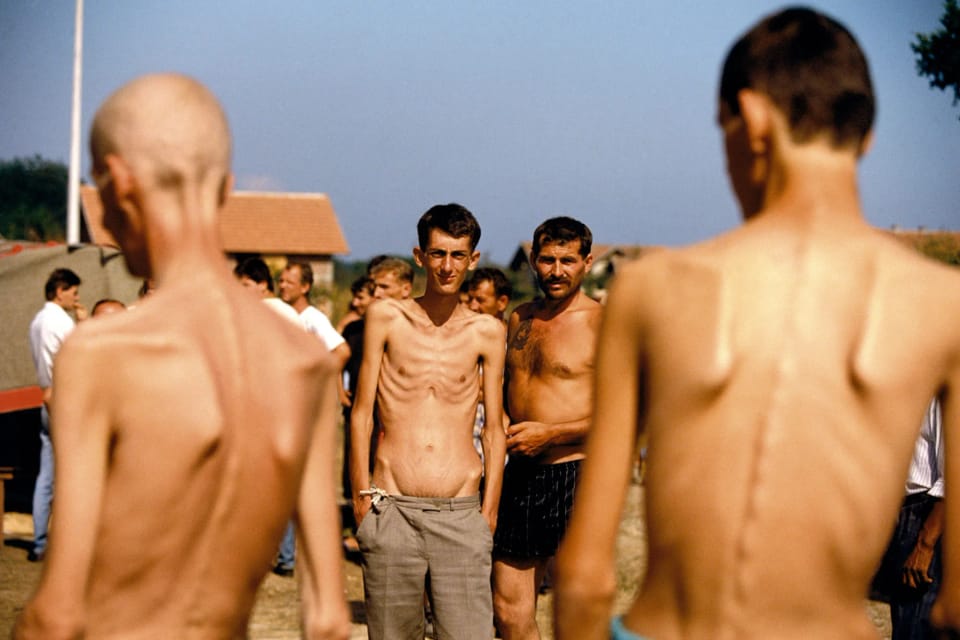
Founder Nina Maglic established the organisation around the premise that unresolved domestic trauma compounds into broader social conflict.1 As a child, Maglic spent time sheltering in a basement during the war in Bosnia and Herzegovina.1 That background shaped the initiative into an effort to address the psychological and emotional reverberations that violence, fear, and family history leave across generations.1
Speaking to Primary about those origins, Maglic recalled that she was six years old when her family sheltered underground during the conflict. “I knew fear very early in life: not knowing whether we would survive the next moment, seeing pain, suffering, anger and aggression all around me,” Maglic told Primary. She said that early crisis led to a personal pledge to work toward peace, explaining that she made a commitment that if she survived, she would strive to bring healing so that families would not experience equivalent violence. Maglic said that the initiative operates directly out of Vienna, Austria.
Thematic schedule and multidisciplinary speakers
The summit featured an international roster of speakers addressing the intersection of personal healing and broader social cohesion. In promotional materials published by the organisation, the event lists dozens of contributors, ranging from clinical psychologists, psychotherapists, and educators to shamans, mediums, spiritual healers, and a former war crimes prosecutor.13 The sessions aim to examine how inherited emotional distress influences interpersonal relationships and community structures.1
The three-day schedule divided discussions across distinct thematic tracks. The opening day on October 5 focused on generational wounds, addressing how inherited trauma, grief, and family patterns repeat over time. The second day, on October 6, centered on family relationships and the ways personal recovery can alter domestic dynamics. The final day on October 7 directed attention toward children, exploring methods to provide stability and safety for younger generations.
Maglic told Primary that the curriculum combines structured analysis with introspective exercises. “The sessions will be practical as well as reflective,” Maglic told Primary. She said discussions explore how inherited grief and family behavioral habits manifest in parenting, self-worth, and responses to domestic tension, with the goal of helping participants recognise automatic reactions and choose conscious responses.
Domestic reconciliation and political peace
In public statements announcing the event, Maglic framed domestic reconciliation as an essential prerequisite for wider political peace. She argued that addressing personal distress breaks recurring cycles of grievance before they manifest in public life.
“Peace begins when we choose to heal our own pain and the generational wounds our families carry,” Maglic said in an announcement released through an online distribution wire. “When we do that, we break cycles that have limited us for far too long. We stop carrying pain forward and give anger and fear less power to turn people against one another. This creates more space for understanding, connection and peace, and changes how we love, raise our children and teach the next generation.”
Elaborating on that framework to Primary, Maglic stated that domestic environments establish early behavioral patterns regarding dispute resolution, safety, and aggression. “Hurt people hurt, and healed people heal,” Maglic told Primary, adding that while individual emotional recovery does not replace diplomatic agreements, it directly influences the individuals who hold administrative and political authority. She identified family reconciliation as a necessary complement to formal judicial systems, educational structures, and state-level peacebuilding.
Network metrics and platform access
The organisation has expanded its network since the first summit took place. By the time of its October summit, Healing Millions had grown to 2,700 members from 60 countries and territories. Registration data hosted on the community platform Skool indicates an online group of roughly 2,500 members registered under the summit name.3 The program remains entirely virtual, with organisers waiving admission fees to eliminate financial and geographic barriers for attendees.13
By the time of the October summit, Healing Millions had grown to 2,700 members from 60 countries and territories. Maglic explained that the platform tracks participation through user profiles established during registration.
Regarding the inaugural gathering, Maglic told Primary that the initial milestone of roughly 1,400 registrants from 47 countries did not produce a single verified consolidated turnout total. While several live presentations drew more than 200 concurrent viewers, many registrants accessed recorded video archives during a subsequent four-day replay window or purchased extended access later.
Intervention methods and structural limits
Maglic maintains that personal psychological shifts generate secondary effects within larger communities. In her written remarks, she described domestic units as the primary conduit through which societal behavioral patterns either persist or dissolve.
“When one person breaks a painful pattern, it can change a family,” Maglic said. “When families begin to heal, that change can reach communities and people they may never meet.”
The summit program combines practical therapeutic presentations with experiential sessions. Contributors discussed methods for identifying inherited behavioral habits, managing bereavement, and fostering resilience among children facing systemic hardship. By assembling legal professionals alongside traditional therapists and alternative energy healers, the event attempts to connect institutional perspectives on wartime justice with individualized approaches to emotional rehabilitation. Healing Millions is already an active and growing international community. It has successfully organized two international summits, brought together speakers from different countries and professional backgrounds, and built a community of 2,700 people across 60 countries and territories.
The initiative reflects a growing interest in grassroots peacebuilding models that bypass formal diplomatic channels in favor of distributed digital networks. Healing Millions has already made progress, organising two international summits and sustaining an active international community, while whether digital community gatherings can measurably mitigate systemic cross-border tensions remains an open question. The October sessions tested whether an entirely online format combining conventional psychology with spiritual practices can sustain engagement across disparate national and cultural divides.
The record
21 sentences trace to 2 sources and 1 contributor.
-
1
HM
 Healing Millions®
Press release
· einpresswire.com · 21 Sep 2026
2,300 People Across 54 Countries Unite in a Global Movement for Healing and Peace
See the source
- 2 Contribution — Nina Maglic 18 statements added to this article
- 3 Global Healing Summit See the source
Other consulted pages1 page
boldjourney.com1 page
bosniajournal.com2 pages
healingmillions.com1 page
ninamaglic.com2 pages
thexicode.com1 page
Article history
-
Published 27 Nov 2026, 16:19Assembled by the Primary desk from 2 sources · 1 contributor · 21 cited sentences
-
Nina Maglic
- Go to the sentence: The free gathering follows an initial session that drew approximately 1,400 participants from 47 countries.
- Go to the sentence: Founder Nina Maglic established the organisation around the premise that unresolved domestic trauma compounds into broader social conflict.
- Go to the sentence: As a child, Maglic spent time sheltering in a basement during the war in Bosnia and Herzegovina.
- Go to the sentence: That background shaped the initiative into an effort to address the psychological and emotional reverberations that violence, fear, and family history leave across generations.
- Go to the sentence: Speaking to Primary about those origins, Maglic recalled that she was six years old when her family sheltered underground during the conflict.
- Go to the sentence: “I knew fear very early in life: not knowing whether we would survive the next moment, seeing pain, suffering, anger and aggression all around me,” Maglic told Primary.
- Go to the sentence: She said that early crisis led to a personal pledge to work toward peace, explaining that she made a commitment that if she survived, she would strive to bring healing so that families would not experience equivalent violence.
- Go to the sentence: Maglic said that the initiative operates directly out of Vienna, Austria.
- Go to the sentence: The sessions aim to examine how inherited emotional distress influences interpersonal relationships and community structures.
- Go to the sentence: “The sessions will be practical as well as reflective,” Maglic told Primary.
- Go to the sentence: She said discussions explore how inherited grief and family behavioral habits manifest in parenting, self-worth, and responses to domestic tension, with the goal of helping participants recognise automatic reactions and choose conscious responses.
- Go to the sentence: In public statements announcing the event, Maglic framed domestic reconciliation as an essential prerequisite for wider political peace.
- Go to the sentence: Elaborating on that framework to Primary, Maglic stated that domestic environments establish early behavioral patterns regarding dispute resolution, safety, and aggression.
- Go to the sentence: “Hurt people hurt, and healed people heal,” Maglic told Primary, adding that while individual emotional recovery does not replace diplomatic agreements, it directly influences the individuals who hold administrative and political authority.
- Go to the sentence: She identified family reconciliation as a necessary complement to formal judicial systems, educational structures, and state-level peacebuilding.
- Go to the sentence: Maglic explained that the platform tracks participation through user profiles established during registration.
- Go to the sentence: Regarding the inaugural gathering, Maglic told Primary that the initial milestone of roughly 1,400 registrants from 47 countries did not produce a single verified consolidated turnout total.
- Go to the sentence: While several live presentations drew more than 200 concurrent viewers, many registrants accessed recorded video archives during a subsequent four-day replay window or purchased extended access later.