Commerce Department asked Kalshi to pull AI chip price tracker
Federal officials cited national security while pressing regulators to freeze new compute derivatives contracts for 60 days.
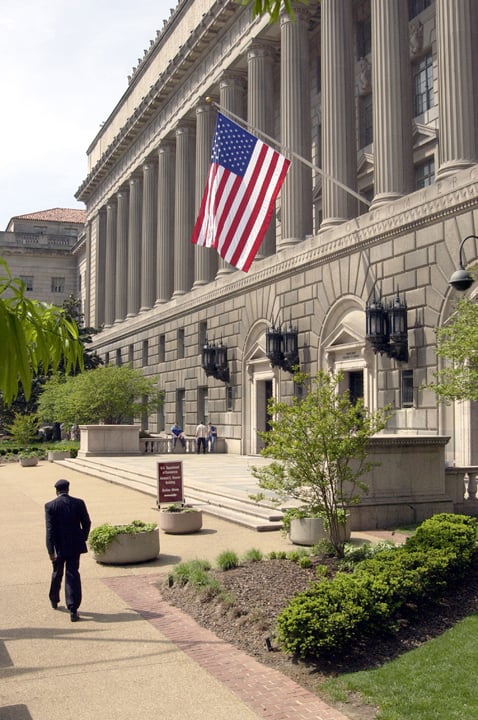
Federal officials directed prediction-market exchange Kalshi to remove an index tracking the future price of artificial intelligence compute, citing national security concerns.12 The intervention targeted Kalshi's compute forward curves, which aggregated pricing data across several contracts tied to the cost of renting specialized processors.12 The exchange complied with the directive and unpublished the charts, though several underlying prediction markets tied to individual rental rates remained open for trading.13
Commerce Department officials also pressed the Commodity Futures Trading Commission, the independent agency that regulates prediction and futures markets, to freeze approvals of new compute contracts for 60 days.12 The request took market participants by surprise across an industry accustomed to administration enthusiasm for both artificial intelligence infrastructure and financial market expansion.13 A spokesperson for the Commerce Department denied that any such request occurred, stating that the agency has never asked Kalshi to take down this market or any other markets.12
Kalshi had rolled out the reference curves in July for Nvidia B200, H200, and A100 graphics processing units.24 The product translated trading data from weekly and monthly rental contracts into projected hourly borrowing costs, providing market participants with an implied price curve extending across future quarters.24 The curves were designed as reference benchmarks rather than directly tradable instruments, intended to help cloud providers, data center operators, and model builders negotiate compute capacity and hedge against shifts in hardware expenses.24
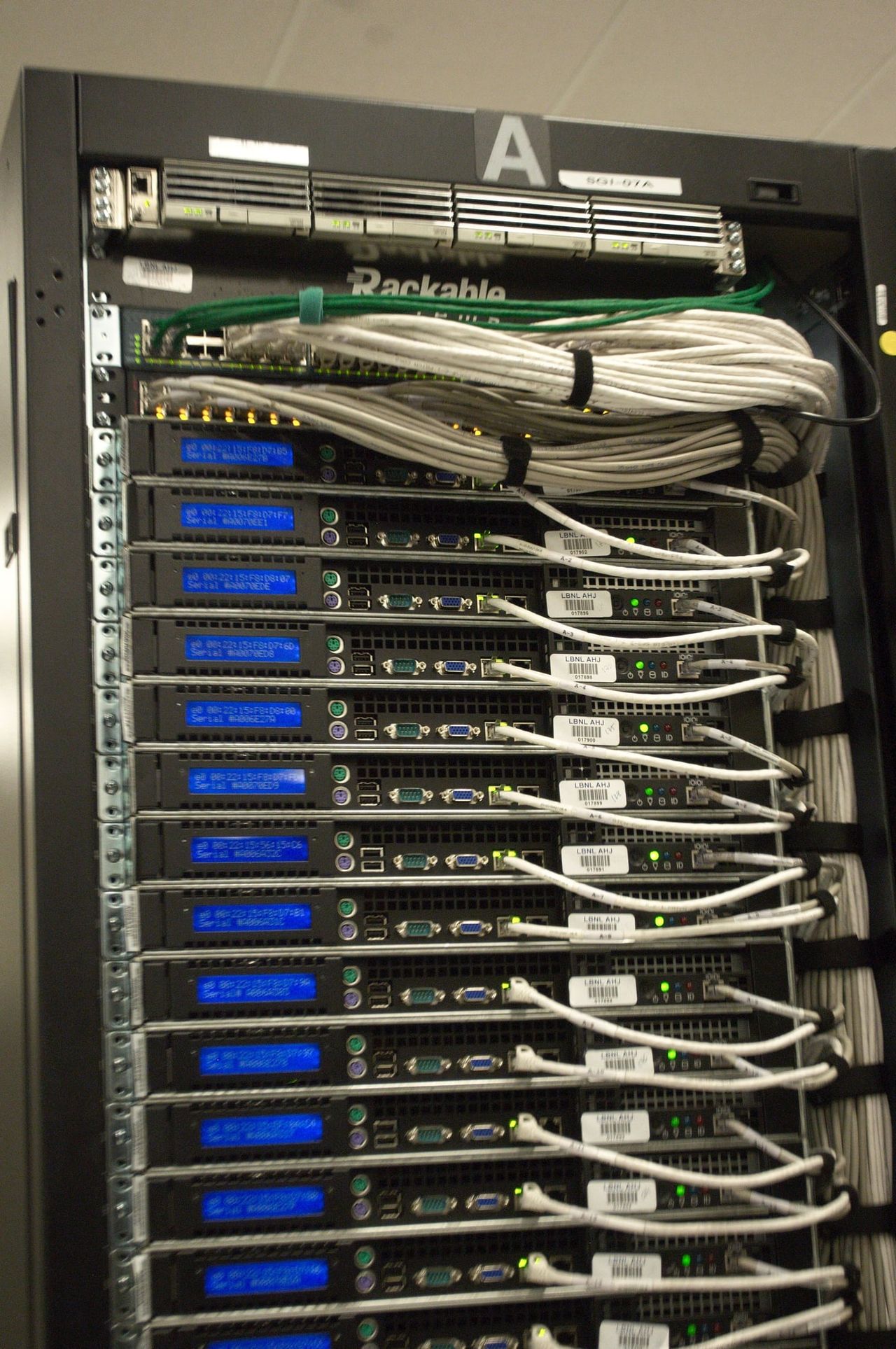
Compute has become a central economic input as technology companies allocate tens of billions of dollars to data center leases and hardware purchases. The financial stakes around hardware values have grown rapidly because older processors frequently serve as collateral for debt raised by specialized cloud providers like CoreWeave.14 Market participants noted that thinly traded futures contracts could be vulnerable to manipulation, creating artificial price drops for older chips that could ripple into debt markets and equity valuations.13
The push to freeze new approvals directly intersects with broader industry plans to build formal derivatives markets for computing power. Traditional exchange operators, including CME Group and Intercontinental Exchange, along with fintech trading venue Architect Financial Technologies, have been developing contracts to allow institutional buyers and sellers to hedge processor access.14 CME Group had scheduled an October 5 launch for its compute futures, a timeline that would be directly disrupted by a 60-day freeze on contract approvals.4
The Commodity Futures Trading Commission had already initiated formal administrative work on the asset class, opening a 60-day public comment period on compute derivatives in August with comments accepted through October 20.24 Commodity Futures Trading Commission Chairman Michael S. Selig argued at the time of the announcement that the United States cannot win the artificial intelligence race without a robust derivatives market for compute, comparing the effort to historical commodity benchmarks that anchored industrial commerce.2 The informal pressure from commerce officials suggests executive branch concern has moved faster than the formal rulemaking process designed to establish trading standards.
The agency's scrutiny arrives as industry executives present conflicting views on hardware depreciation. While some corporate buyers fear persistent infrastructure shortages will push the cost of computing time higher, others worry that rapid advances in silicon architecture will accelerate the obsolescence of earlier chip generations.13 CoreWeave's recent quarterly earnings indicated continued solid demand for older-generation processors, temporarily softening fears of sudden asset write-downs among specialized cloud firms.1
The underlying prediction markets that Kalshi continues to list allow participants to take positions on the future rental rates of specific chips.12 Kalshi Chief Executive Officer Tarek Mansour pitched the offering earlier this summer as an essential hedging mechanism, describing compute as a foundational commodity requiring a functioning derivatives market for buyers and sellers to manage operating risks.2 The removal of the aggregated curves deprives participants of a unified public benchmark while leaving the underlying trading volume active.
Reporting note: this piece draws on reporting regarding Commerce Department communications with Kalshi and the Commodity Futures Trading Commission, regulatory filings, and statements by agency officials. Product details and launch dates are from Kalshi and Commodity Futures Trading Commission public announcements.
What this rests on
19 sentences trace to 4 sources.
-
1
RA
Reed Albergotti Document · semafor.com · 15 Sep 2026 Exclusive: Trump administration orders Kalshi to scrap AI price tracker over national security concerns See the source
-
2
G
gizmodo.com Third-party reporting · gizmodo.com · 15 Sep 2026 Kalshi’s AI Compute Price Tracker Reportedly Pulled Over National Security Concerns See the source
-
3
A
AIToday Third-party reporting · hellomarvisaitoday.com · 15 Sep 2026 Commerce orders Kalshi to pull AI-compute futures curve See the source
-
4
A
aiweekly.co Third-party reporting · aiweekly.co · 15 Sep 2026 Kalshi Pulled AI-Compute Curve After Commerce Order: Semafor | AI Weekly See the source