Biofuel mandates could claim 36 million hectares by 2030
Chatham House projects a 70 percent jump in output as governments substitute agricultural crops for costly petroleum imports.
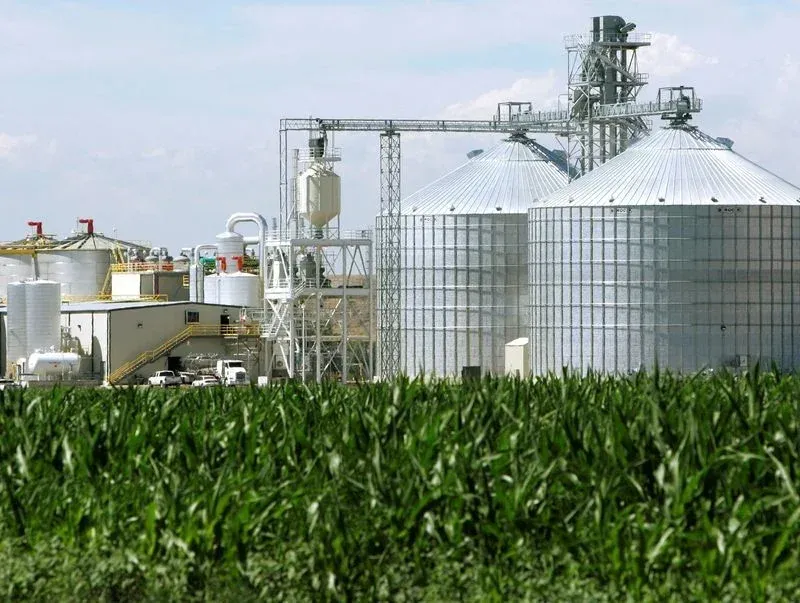
A global drive to expand biofuel mandates in transport fuel threatens to convert an additional 36 million hectares of cropland into energy production by 2030, according to research by Chatham House and the Forest Stewardship Council.12 The prospective land conversion, an area roughly equivalent to the size of Germany, would more than double the total acreage dedicated to biofuel crops relative to 2023 levels.12
The expansion is being accelerated by severe disruptions in fossil fuel markets.12 Crude oil prices have increased by nearly 40 percent since the outbreak of war in Iran in late February, driving petroleum import costs higher and prompting national governments to turn to domestic agricultural feedstocks.12 Global biofuel production is now projected to rise by around 70 percent between 2025 and 2030 as energy ministries raise mandatory blending targets for gasoline and diesel supplies.21

Major economies are moving rapidly to increase those requirements.21 Brazil, China, India, Indonesia, the United States, and the European Union are all advancing policies to integrate higher proportions of biological fuels into commercial petroleum streams.12 In Europe, French President Emmanuel Macron recently asked the European Commission to allow higher volumes of biofuels in diesel blends in an effort to keep consumer fuel prices under control.2
The policy push relies heavily on first-generation biofuels derived directly from edible crops, including corn and sugarcane, rather than second-generation options made from agricultural residues and waste streams like used cooking oil.1 That reliance places the energy sector in direct competition with the global food supply.12 Commodity prices for corn and sugar have already climbed by about 20 percent, raising baseline costs for staple foods across import-dependent markets.1
Researchers warn that linking fuel supplies to edible harvests creates systemic vulnerabilities in global nutrition.12 “By prioritizing energy security in the short term, some policy responses may be trading off against increased food insecurity in the medium term (and) any additional shock such as extreme weather could severely affect food prices,” the report authors concluded.1 If rising demand is left unmanaged, the diversion of harvests into fuel blends is expected to intensify price pressure on essential staples such as vegetable oil and cereal grains.21
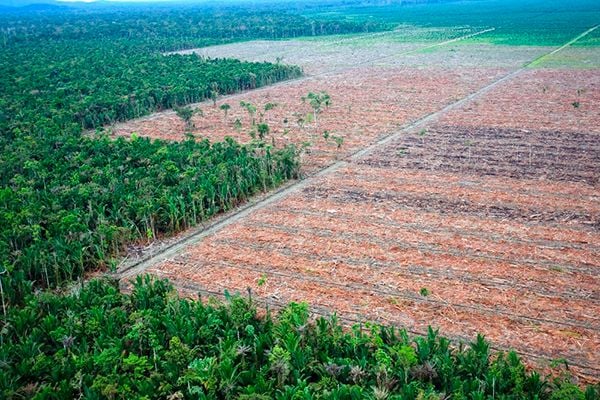
The required agricultural footprint also threatens critical ecosystems. Converting 36 million hectares of land risks driving accelerated deforestation and severe soil degradation across major exporting nations.12 The study noted that while feedstocks can theoretically be cultivated on degraded terrain or grown during fallow intervals to restore soils, such practices are not the standard approach across conventional commercial farming.1 Chatham House found that the resulting long-term pressures on land would be difficult, and perhaps impossible, to reverse once established.2
Environmental safeguards and monitoring systems are struggling to keep pace with the statutory targets. The speed of mandate increases threatens to outpace existing certification frameworks, municipal land-use planning, and regulatory enforcement mechanisms.1 Without strict enforcement and targeted capital allocation for advanced second-generation processing, the surge in output risks generating unintended consequences for regional biodiversity and freshwater reserves.1
The researchers cautioned governments against treating agricultural fuels as a durable strategy for national independence.21 “Policymakers must therefore treat biofuels as a targeted transitional measure to help bridge the current oil crisis, rather than a permanent solution to the problem of energy security,” the authors stated.2
What this rests on
21 sentences trace to 2 sources.
-
1
CN
CRBC News Third-party reporting · crbcnews.com · 22 Sep 2026 Study: Global Biofuel Output Could Jump Nearly 70% by 2030 — Risks to Food Security and Land Use See the source
-
2
CF
Chloé Farand Document · semafor.com · 25 Sep 2026 Expanding biofuel production could require an area the size of Germany See the source