Simple videos explaining vote security can rebuild cross-party election trust
Voters who watch brief explanations of basic safeguards become more confident in election counts, even when assessing states run by opposing political parties.
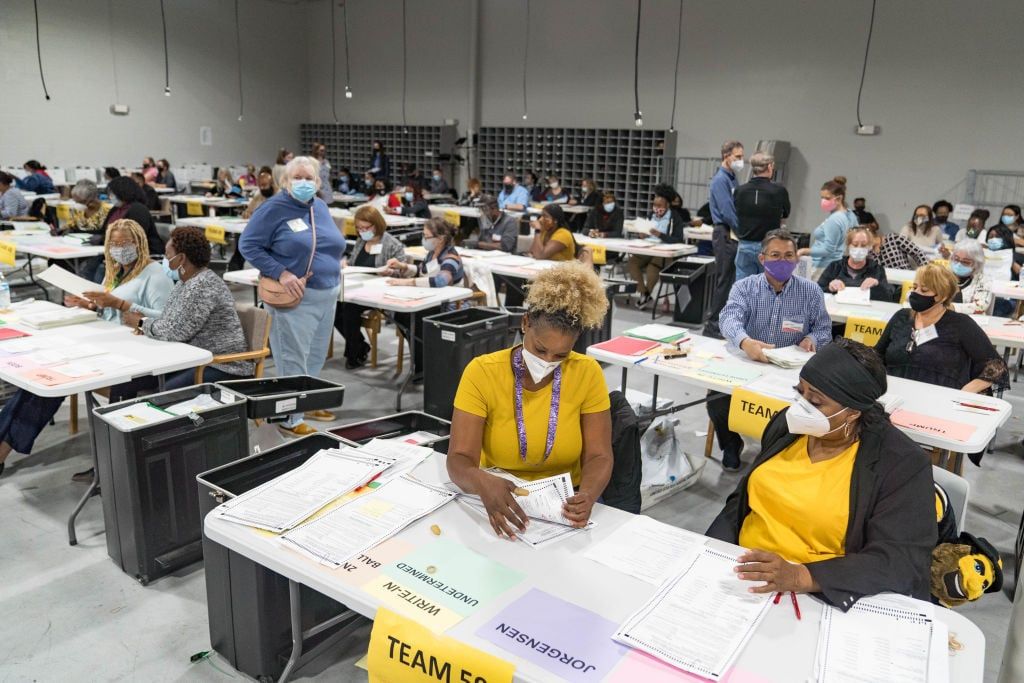
When citizens assess how an election is run, their confidence frequently stops at their own state border. A voter may trust the poll workers in their local precinct while suspecting that ballots cast hundreds of miles away are vulnerable to manipulation, especially if that distant state is governed by an opposing political party. In an era marked by intense political polarization, this geographic and partisan suspicion has hardened into an assumption that democratic procedures in rival strongholds cannot be trusted.
The health of a representative democracy depends on losers accepting the legitimacy of election results. If voters believe that tallies outside their home territory are systematically distorted, the peaceful transfer of power becomes increasingly difficult to sustain. Suspicion often thrives in an information vacuum. Because the United States maintains a decentralized election system where individual states and counties manage their own voting processes, few Americans understand the mechanics of ballot handling outside their local communities.12 When unexpected delays occur, such as the regular lag required to verify and count mail ballots, partisan mistrust easily rushes into that silence.
Rebuilding that confidence requires understanding how political perceptions actually shift when presented with new evidence. An individual voter begins with an impression of how an election operates, often informed by partisan commentary and campaign controversies. For that voter to reassess their stance, they must first encounter concrete facts about the mechanics of the process, rather than generic assurances from political figures. The voter evaluates those operational details against their existing worries, recognizing specific safeguards that prevent interference. Once the practical steps of ballot protection become transparent, the voter can update their evaluation, replacing vague suspicions of foul play with an understanding of physical administrative constraints.
How does factual transparency change voter beliefs?
Voters show measurable increases in confidence when they learn the practical rules that protect ballots from interference. Research published in the British Journal of Political Science, the Election Law Journal, and PNAS Nexus indicates that straightforward educational messages can pierce partisan polarization.12 In a survey experiment conducted across the country and in targeted jurisdictions including Texas, Georgia, Colorado, and Los Angeles County, researchers evaluated whether official communications could alter public views about election integrity.13
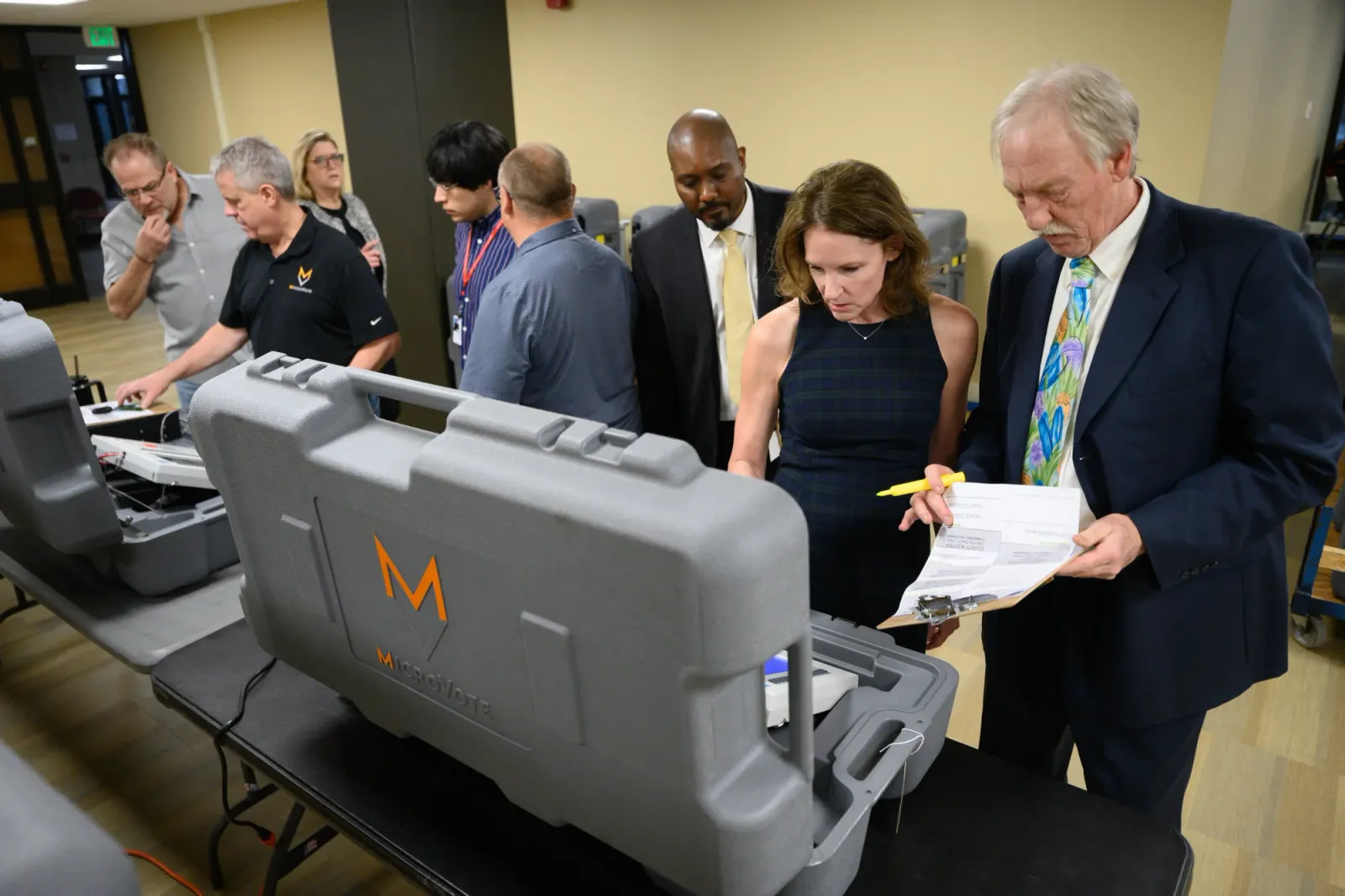
The team found that exposure to factual videos explaining election administration safeguards raised trust in target states by an average of 10 to 12.5 percentage points.1 This increase crossed traditional party boundaries. Nationwide, Republicans who initially expressed skepticism about voting procedures in Democratic-led California grew more trusting after viewing videos about California safeguards.1 Similarly, Democrats nationwide became significantly more trusting of elections conducted in Republican-led Texas after learning about the procedural checks used there, while political independents showed similar gains.1 As Jennifer Gaudette, an assistant professor in the School of Public Policy at the University of California, Riverside, observed of the response: "You can move people on this by giving them the facts."1
Timing also proved critical in shaping public reactions to vote tabulation. Explaining procedural delays before they occur prevents voters from interpreting ordinary logistical friction as evidence of fraud. "If election officials explain why a delay might occur in advance, then voters are less likely to have a negative response," Gaudette said in reporting on the collaborative studies.1
What kind of messaging makes the biggest difference?
Clear explanations of practical safeguards consistently outperform high-profile political endorsements and generic appeals to democratic unity. In an earlier round of experiments examining practitioner interventions, published through the MIT Election Data and Science Lab, researchers analyzed the effects of different official communication styles on a combined sample of 8,338 respondents.3 The messages were tested against a neutral control group that watched an insurance commercial.3
The comparative findings demonstrated that not all institutional appeals produce positive results. A factual video produced by election officials in Maricopa County, Arizona, which detailed the explicit procedures and safeguards used to preserve vote integrity, generated statistically significant increases in voter confidence.3 By contrast, a bipartisan official video tested in Colorado featured a former Republican Secretary of State and the sitting Democratic Secretary of State jointly insisting that the state's elections were secure.3 That bipartisan endorsement produced no significant positive effect and was the only practitioner video to yield a slight negative point estimate.3 Similarly, a get out the vote message created for Los Angeles County had null effects on trust, indicating that voters require substantive explanations of security measures rather than general civic encouragement.3
The delivery mechanism also turned out to be far simpler than many election administrators assumed. To determine whether expensive production was necessary, Gaudette conducted a follow-up experiment involving more than 8,000 American participants.1 In one condition, participants watched professionally produced informational videos created by local election authorities in Maricopa County, Arizona, and Dane County, Wisconsin.1 In another condition, participants watched an informal vertical cellphone video that Gaudette recorded herself while sitting in her car.1 In that brief recording, she outlined two fundamental safeguards: voting machines are not connected to the internet, and ballot counting includes bipartisan oversight.1
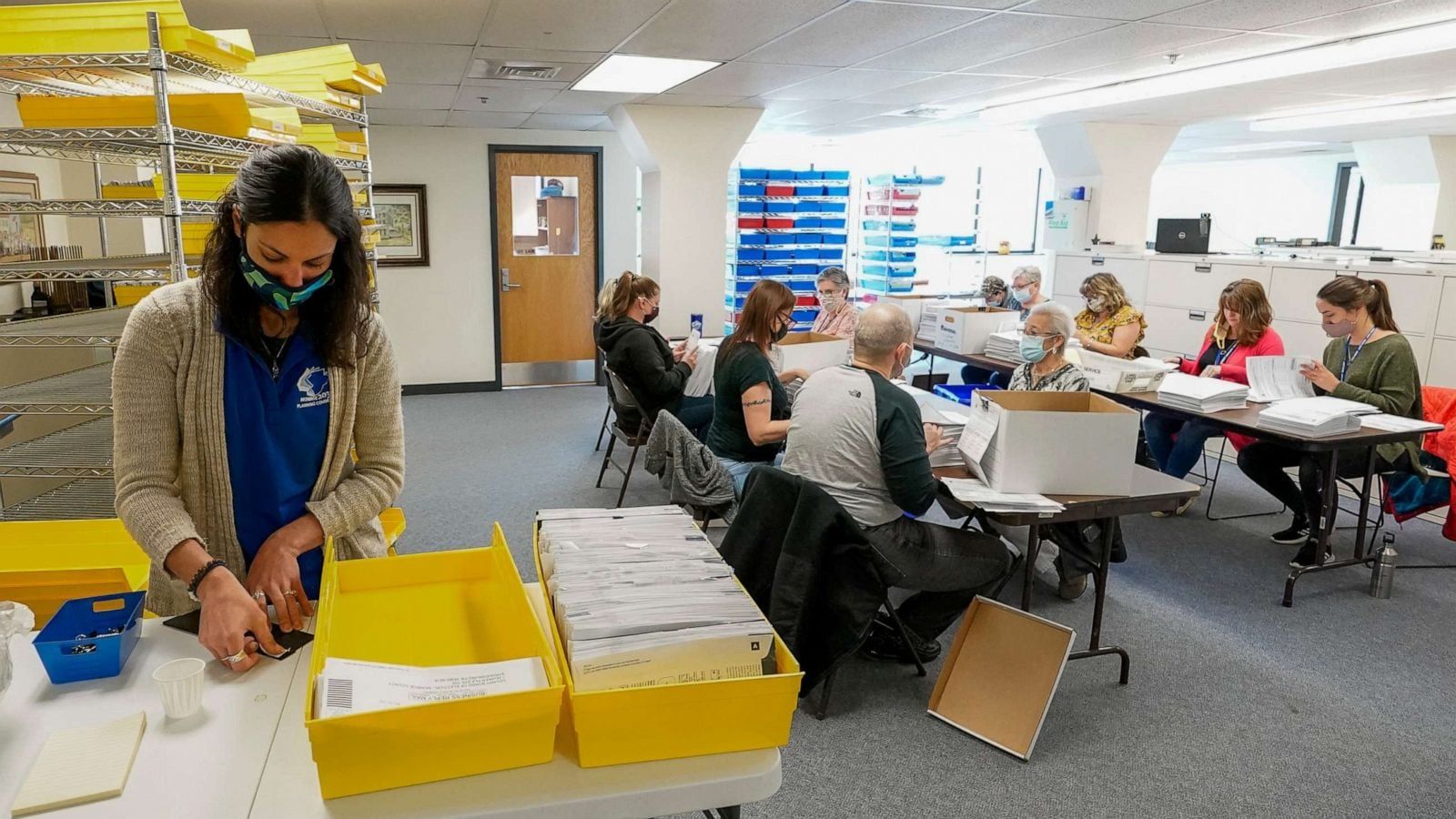
The casual cellphone recording performed just as well as the professional studio productions in raising trust compared with respondents who viewed no video.1 Furthermore, viewers found the informal format noticeably more memorable. Participants who watched the informal car video were 8 to 9 percentage points more likely to recall the two key security facts correctly than those who watched the polished official broadcasts.1 Younger viewers were especially receptive to this social media style. Only 3 percent of participants aged 18 to 24 perceived the informal recording as misleading, compared with 15 percent of viewers aged 55 and older.1
What can these experiments leave unexplained?
These experimental trials provide valuable evidence about immediate psychological updates, but they cannot measure how long the newfound trust lasts in a hostile media environment. The results represent immediate post-treatment responses captured in online survey settings, where participants viewed focused informational clips in isolation. In everyday life, voters are continuously exposed to partisan rhetoric, campaign advertisements, and viral social media rumors that dispute official counts. Whether a 30-second explanation can withstand months of sustained political controversy remains an open question that survey experiments cannot settle.
The findings also reflect responses to specific local practices rather than a universal national remedy. While the underlying research involved nearly 15,000 participants across multiple states, the treatments relied on particular institutional procedures, such as bipartisan counting boards and offline tabulation machines.1 The studies do not demonstrate that every administrative intervention will persuade deeply alienated voters. In addition, the studies evaluated voter attitudes toward institutional integrity rather than actual voting behavior or willingness to participate in civic administration.
Where should election administrators focus their efforts next?
The practical implication for state and local election authorities is that proactive, transparent communication offers a real defense against election skepticism. Rather than investing heavily in commercial television campaigns or bipartisan celebrity statements, local clerks and registrars can communicate directly with voters using accessible digital tools. Gaudette emphasized that election teams need to meet the public where skepticism spreads fastest: "State and local officials should work hard to communicate to people on a variety of platforms because social media is where many of these claims explode."1
Looking ahead, researchers are working to determine how long these informational gains persist over full election cycles and whether repeated exposures can build durable public confidence. Election teams face the ongoing challenge of explaining complex logistics, such as post-election audits and provisional ballot curing, in concise formats that can travel across modern communication networks. Demonstrating the basic physical constraints that protect the vote provides citizens with an objective standard, ensuring that trust in democracy rests on verifiable procedures rather than partisan allegiance.
What this rests on
23 sentences trace to 3 sources.
-
1
DD
David Danelski - UC Riverside Document · futurity.org · 27 Sep 2026 The right messages can help restore trust in elections See the source
-
2
C
cambridge.org Third-party reporting · cambridge.org Can Official Messaging on Trust in Elections Break Through Partisan Polarization? | British Journal of Political Science | Cambridge Core See the source
-
3
E
electionlab.mit.edu Third-party reporting · electionlab.mit.edu Evaluating Practitioner Interventions to Increase Trust in Elections | MIT Election Lab See the source