Trump rejects Iranian proposal to reopen Strait of Hormuz
Tehran offered a seven-day timeline to restore Persian Gulf tanker traffic in exchange for sanctions relief and an end to the naval blockade.
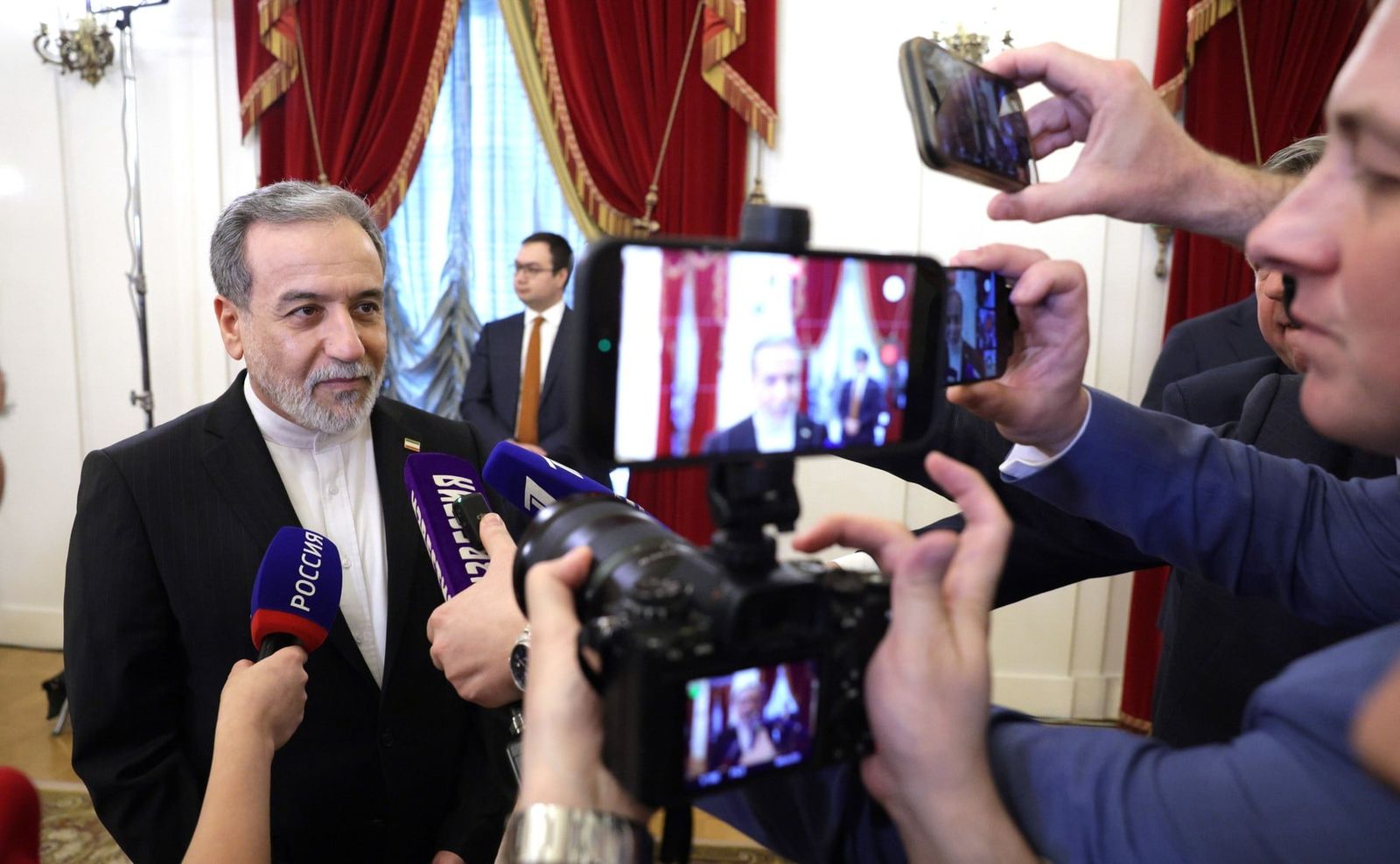
Diplomatic talks between Washington and Tehran remain open even as both governments prepare for renewed military escalation.12 United States President Donald Trump said on Saturday that he rejected an Iranian proposal to reopen the Strait of Hormuz, though he told advisers he expects further discussions with Iranian negotiators.13 The proposal offered to reopen the strategic passage within seven days if Washington lifted its naval blockade, waived sanctions on Iranian oil exports, and observed a ceasefire encompassing Lebanon.34
Speaking to reporters before leaving the White House for a college football game, Trump characterized the Iranian plan as unacceptable.34 “They want to make a deal where they open the strait immediately because they’re losing so badly,” Trump said, adding that “that deal would not be acceptable.”43 The White House separately indicated on Friday that American officials held positive and constructive discussions with international mediators regarding the conflict.3
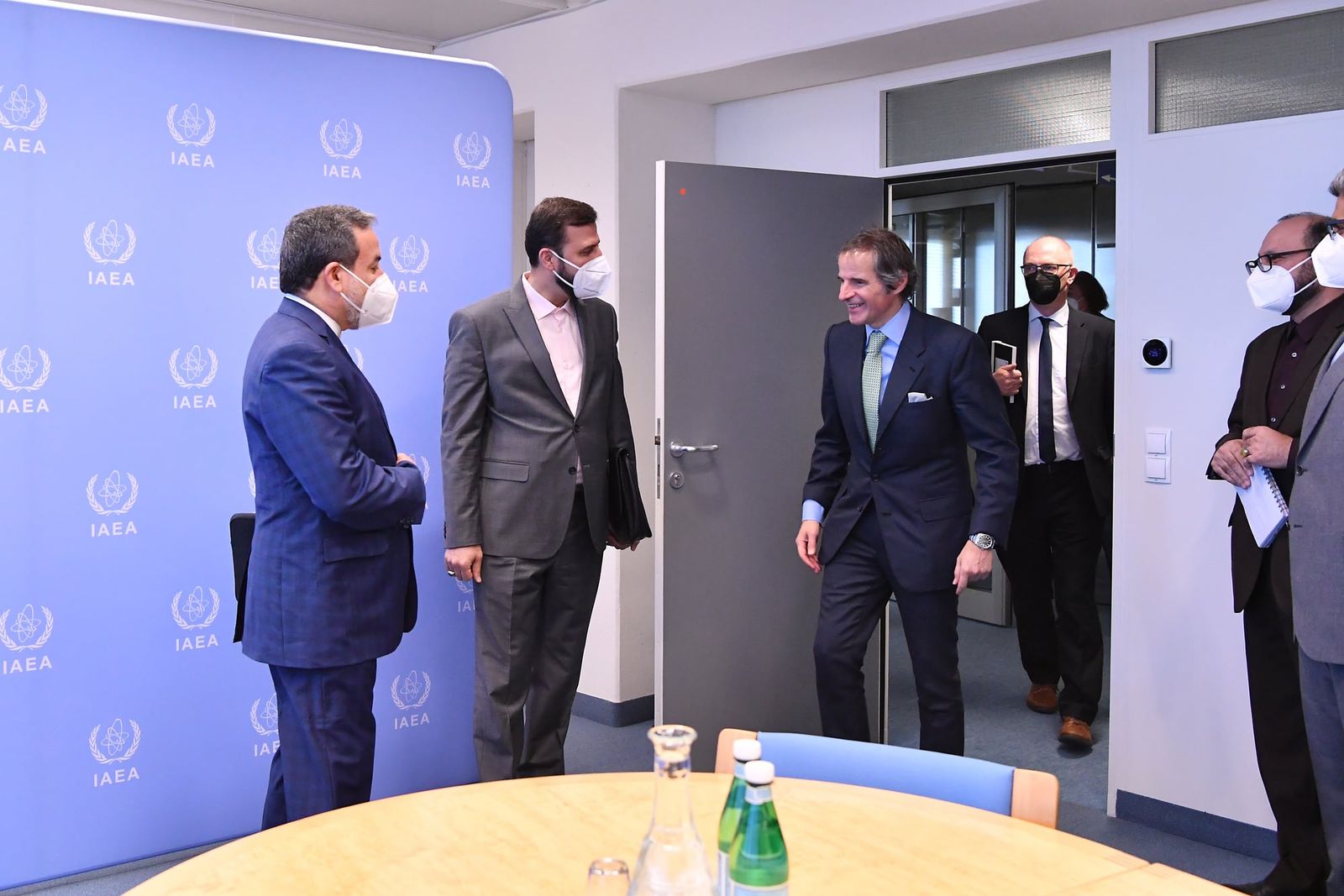
Iranian officials maintained that diplomacy remains possible while signaling readiness for full-scale warfare.12 Iranian Foreign Minister Abbas Araghchi said on Sunday that Tehran remains prepared for open conflict with the United States, yet continues to engage diplomatically to protect chances for peace.2 “If you ask us, there is no reason why we should go back to diplomacy, but I am still trying diplomacy because I think we shouldn’t miss any chance for peace,” Araghchi said.2 Araghchi noted that Iranian representatives conveyed their terms to American counterparts through mediators during meetings in New York, stating that “only a negotiated solution can break this deadlock.”
The current impasse traces directly to the collapse of an earlier framework agreed upon in June.45 Under that memorandum of understanding, Washington granted relief from a naval blockade, eased economic penalties, and freed frozen Iranian assets.4 In return, Tehran pledged to reopen maritime transit through the Strait of Hormuz and halt work toward nuclear weapons.4 That arrangement fractured over disputed language regarding operational authority in the strait, prompting both sides to resume strikes.4
Iranian President Masoud Pezeshkian defended Tehran’s negotiating stance following his return from the United Nations General Assembly.53 Pezeshkian said American authorities must demonstrate that they do not intend to overthrow the government in Tehran before broader settlements can take effect.4 Pezeshkian added that if Washington accepts the seven-day proposal to restore shipping and resume formal talks, Tehran would permit United Nations inspectors to examine domestic nuclear sites.4
Meanwhile, regional pressure is expanding along secondary fronts.15 The military chiefs of Pakistan and Turkey traveled to Saudi Arabia while considering potential military intervention against the Houthis on behalf of Riyadh.1 The visit followed an interception by Saudi air defenses of a ballistic missile launched from Yemen toward the southwestern city of Khamis Mushait.53 The Gulf Cooperation Council condemned the recent attacks as a serious threat to regional stability, calling for international measures to counter cross-border strikes.53
In the Persian Gulf, maritime tensions remain acute. Iran’s Islamic Revolutionary Guard Corps claimed on Sunday that its naval forces captured an American Remus 600 unmanned underwater vehicle operating in the Strait of Hormuz.2 The force announced that specialists received the device for data recovery and asserted that unauthorized transit through the waterway remains halted.2 United States Central Command previously announced on Friday that American naval units redirected 122 commercial vessels away from waters near Iran during maritime enforcement operations.5
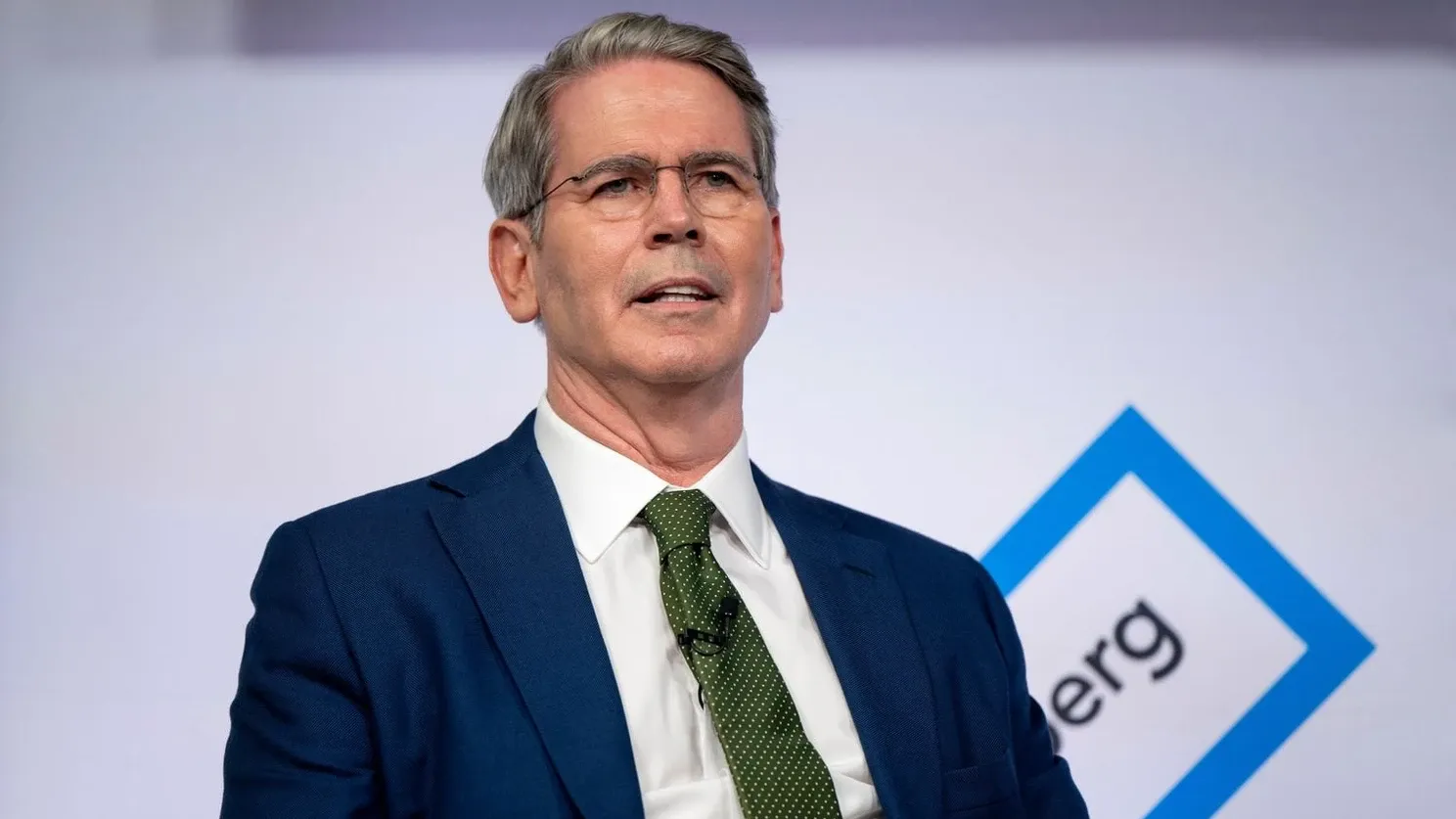
Economic pressure continues to form the centerpiece of the administration’s strategy. Treasury Secretary Scott Bessent said on Saturday that federal measures under Operation Economic Outcast prompted regional partners to restrict commercial access.5 Turkey and Oman halted flights operated by Iran’s Mahan Air, the United Arab Emirates suspended flights by Iranian commercial carriers, and major commercial lenders in Turkey and the United Arab Emirates terminated transactions with Iranian institutions.5 The resulting economic constraints have contributed to steep currency depreciation inside Iran as both capitals await the next round of indirect talks.51
What this rests on
26 sentences trace to 5 sources.
-
1
LM
Lauren Morganbesser Document · semafor.com · 27 Sep 2026 US-Iran talks continue as tensions rise See the source
-
2
C
CNBC Third-party reporting · cnbc.com · 27 Sep 2026 Iran's foreign minister says Tehran ready for 'doomsday' war with U.S., but leaves diplomacy on the table See the source
-
3
P
pbs.org Third-party reporting · pbs.org Trump rejects Iran's proposal to reopen the Strait of Hormuz, and other Middle East news See the source
-
4
N
NPR Third-party reporting · npr.org · 26 Sep 2026 Trump calls Iranian plan to reopen Strait of Hormuz not 'acceptable' See the source
-
5
FN
Fox News Third-party reporting · foxnews.com · 26 Sep 2026 Trump says Iran See the source