Aughinish Alumina faces EU sanctions threat over shipments to Russia
European regulators consider measures targeting the Limerick plant after records show its refining output reaches Siberian smelters tied to weapons contractors.
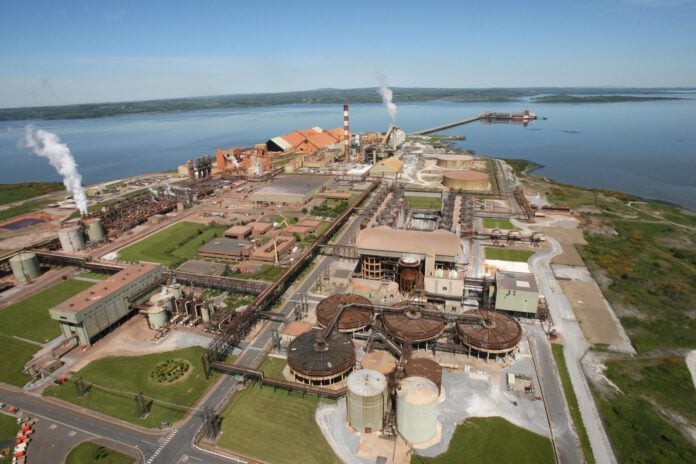
A metals refinery in County Limerick is facing the prospect of European Union sanctions over shipments of alumina to Russia, where the material enters supply chains feeding domestic arms manufacturers.1 The Aughinish Alumina plant, which sits on the Shannon estuary and ranks as Europe's largest alumina refinery, sent 68 percent of its output to Russia in 2025.123 European regulators examining the next round of penalties against Moscow are weighing restrictions on the trade, balancing security priorities against the economic fallout of closing a facility that supports roughly 1,000 jobs.14
Alumina, or aluminium oxide, is refined from bauxite ore and serves as the primary raw material for making aluminium.53 While the EU banned imports of Russian aluminium in February 2025, it placed no prohibitions on exporting alumina to Russia.35 That gap allowed shipments from Ireland to continue legally under European trade law.53 Customs data shows that between 2020 and 2024, Russian imports of Irish alumina increased from roughly 394,000 tonnes to more than 826,000 tonnes, even as overall European trade with Moscow contracted.24
The Limerick plant has been owned since 2006 by United Company Rusal, the metals conglomerate founded by Russian industrialist Oleg Deripaska.54 Raw bauxite mined in Guinea and Brazil arrives by ship at Aughinish's deepwater terminal, where chemical processing yields alumina before bulk carriers transport it overseas.24 Shipping records show that most of the facility's exports travel to Novy Port near St Petersburg, before moving by rail to Siberian smelters in Krasnoyarsk and Sayanogorsk, both operated by Rusal.24

At the Krasnoyarsk smelter, Irish alumina accounted for roughly two-thirds of the plant's aluminium oxide imports in 2024.52 Leaked financial and logistics records show that metal produced at these Siberian facilities was sold to Aluminium Sales Company, a Moscow-based trading house known as ASK.52 Between February 2022 and April 2025, ASK paid Rusal's commercial arm more than $640 million for metal from its smelters, with about 35 percent of the trader's total revenue derived from contracts with Russian state defence entities.32
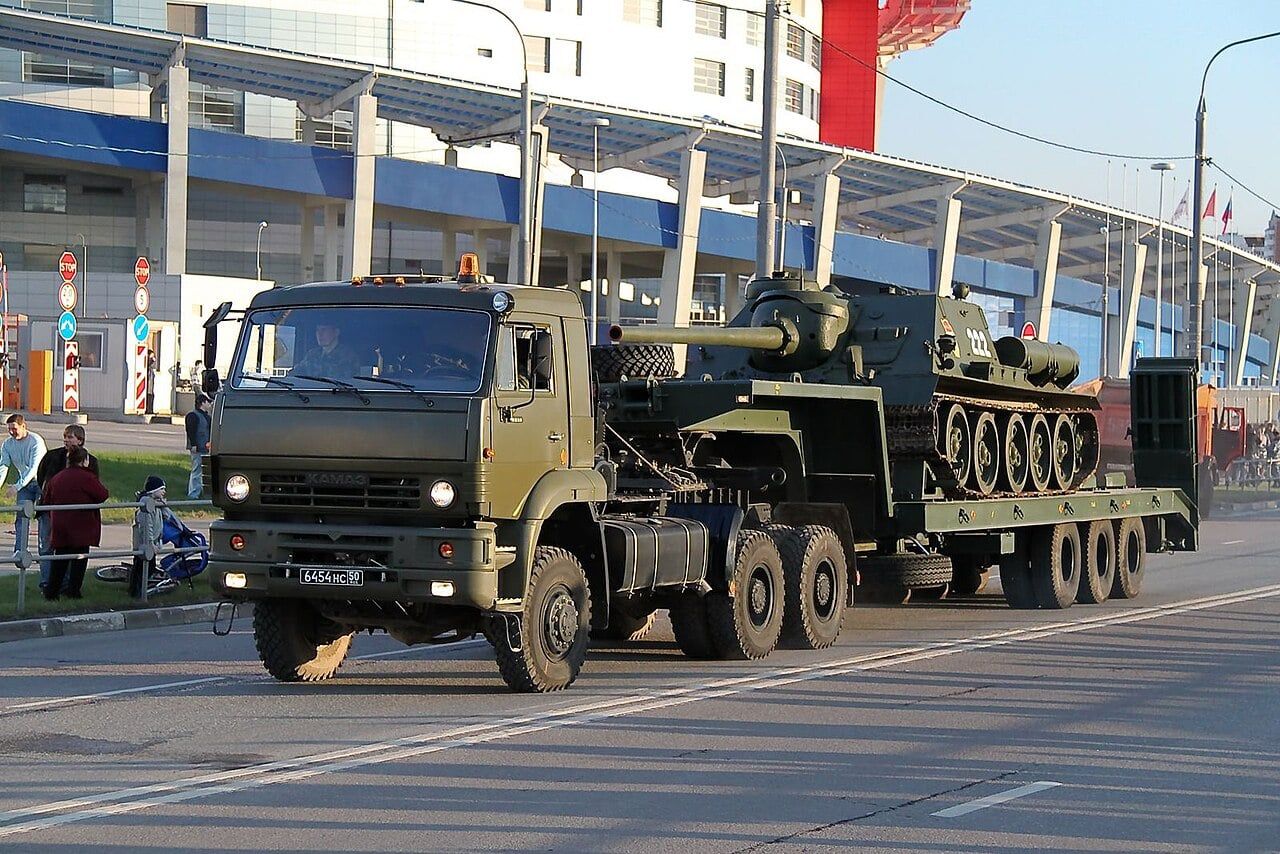
Transaction records identify more than 40 EU-sanctioned defence contractors among ASK's customers.32 These include the Votkinsk Machine Building Plant, which manufactures Iskander ballistic missiles, and vehicle producer Kamaz, which supplies transport to the Russian army.2 Other clients include the Arzamas Instrument-Making Plant, which builds gyroscopes for Kh-101 cruise missiles, and ODK-Ufa, an engine manufacturer for Sukhoi combat aircraft. Metallurgical experts note that industrial smelters continuously blend alumina from multiple sources in large storage silos, making it practically impossible to separate civilian batches from military manufacturing.25
A spokesperson for Aughinish said the company operates in strict compliance with all applicable European Union laws, export controls, and trade regulations, noting that the plant maintains a compliance framework across its supply chain.53 The company maintained that alumina and aluminium are basic commodities serving broad societal needs across civilian industries, including transportation and medicine.53 In communications with Irish officials, managing director Ciaran Kelleher warned that restricting export flows would force the refinery to close, cause economic disruption in Europe, and leave Russia's overall supply largely intact.4
Beyond factory employment, plant executives told the Irish government that the facility generates 115 megawatts of excess power, supplying electricity to the national grid while paying €25 million annually toward gas network maintenance costs.42 Plant representatives argued that loss of access to Russian smelters would make continuing operations commercially unviable, though European officials noted that the facility continues to supply major Western buyers, including the Aluminium Dunkerque smelter in France.
The diplomatic friction intensified after Swedish tax authority Skatteverket ruled that Rusal remains under the practical control of Deripaska.6 While Deripaska reduced his formal voting interest below 50 percent in 2018 to resolve American penalties, Swedish regulators found that a Russian presidential decree barring foreign shareholders from voting effectively lifted Deripaska's voting power to 70 percent. That decision led Swedish authorities to freeze 56.8 million kronor, or about €5.1 million, in tax accounts tied to the Kubal smelter in Sweden.6
Irish government ministers previously defended the facility, maintaining that alumina remained unsanctioned and formed a component of Europe's manufacturing base.52 But with diplomatic consultations underway among European Commission officials and member states in Brussels, calls to restrict the commodity have mounted, putting the future of the Shannon estuary complex back into question.41
What this rests on
24 sentences trace to 6 sources.
-
1
BR
Brendan Ruberry Document · semafor.com · 28 Sep 2026 Irish factory could face EU sanctions over ties to Russia See the source
-
2
I
irishtimes.com Third-party reporting · irishtimes.com · 24 Mar 2026 Investigation: How raw materials from Aughinish Alumina in Limerick enter Russia’s weapons supply chain See the source
-
3
O
occrp.org Third-party reporting · occrp.org Inside the Supply Chain Funneling Irish Alumina to Russian Rockets See the source
-
4
R
RTÉ Third-party reporting · rte.ie · 30 May 2026 Collateral damage: Aughinish Alumina and EU sanctions See the source
-
5
TG
The Guardian Third-party reporting · theguardian.com · 24 Mar 2026 Irish metals refinery is in supply chain that feeds Russian war machine, records suggest See the source
-
6
I