Schumer rates Senate control as a 50-50 fight
Tim Scott cited more than $400 million in party funds, predicting Republicans will retain their majority across competitive battlegrounds.
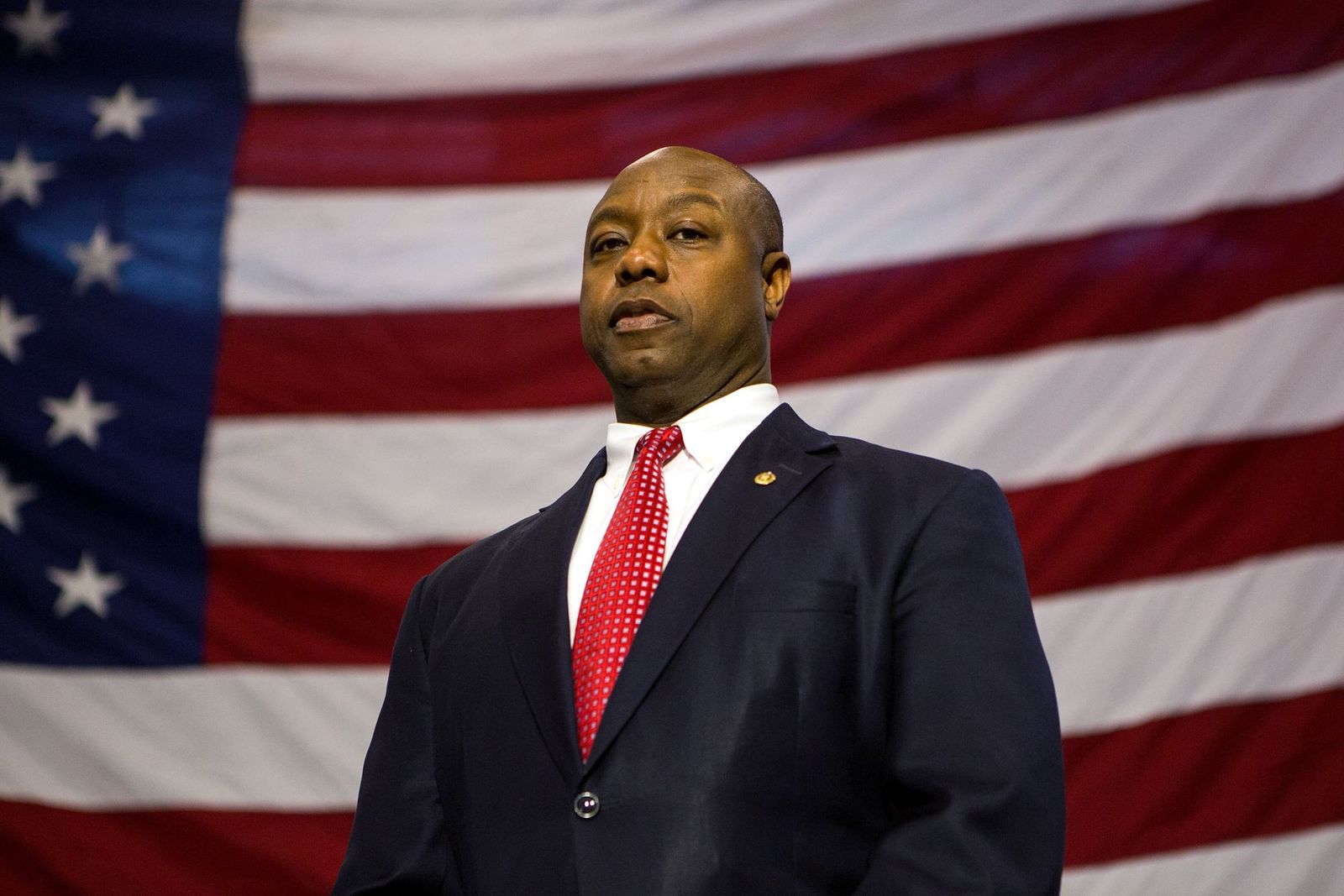
Senate party leaders hold sharply opposing expectations for the chamber's balance of power as the campaign enters its final 34 days.1 Senate Democratic Leader Chuck Schumer assessed the fight for control as an even contest, setting the probability of either party winning the majority at 50%.2 National Republican Senatorial Committee Chairman Tim Scott projected that Republicans will maintain their Senate majority and suggested the party could expand its seat count.21
Democrats need a net gain of four seats to capture the Senate majority in the midterm election.2 Schumer acknowledged that his party faces severe financial disadvantages despite favorable political conditions.2 “It’s 50-50. We’re right on the edge of winning,” Schumer said on Wednesday evening.2 He pointed to two potential vulnerabilities for Democrats, arguing that defeat could occur if Republicans steal the election or overwhelm Democratic candidates with spending.2
Schumer argued that Republican campaigns possess substantial financial resources that could influence tight races.2 “They have obscene amounts of money,” Schumer said, adding that Democrats only need sufficient funding to respond to Republican attacks. He framed the broader election around whether an enormous Republican financial advantage could overcome a Democratic advantage in candidate quality and overall political atmosphere.2
Both leaders expressed enthusiasm about former President Donald Trump traveling to competitive states, though they offered conflicting theories about how his appearances affect voters.2 Schumer asserted that presidential visits generate voter backlash against Republicans in key districts.2 “When Trump travels, he hurts people,” Schumer said.2 “When he comes to town, that itself helps us. But then he always talks about the wrong things. He talks about things people don’t give a damn about.”2
Scott rejected that assessment, describing Trump as a decisive campaign asset whose presence mobilizes conservative voters.2 “This is his midterm election,” Scott told reporters.2 “President Trump is making the best decisions to keep us in the majority. So I trust his scheduling team and his strategy because his instincts have proven to be good. It’s one of the reasons why we’re in the majority today.”2
Scott also dismissed internal party concerns regarding the electoral effect of recent Republican gatherings.2 When Texas Republican candidate Ken Paxton claimed in leaked audio recordings that the state party convention lowered candidate polling, Scott responded that Paxton was mistaken.23 Scott maintained that both the convention and Trump's participation provided an electoral lift to the Republican ticket.2 Trump began his late campaign travel schedule with events in states including Oklahoma.2
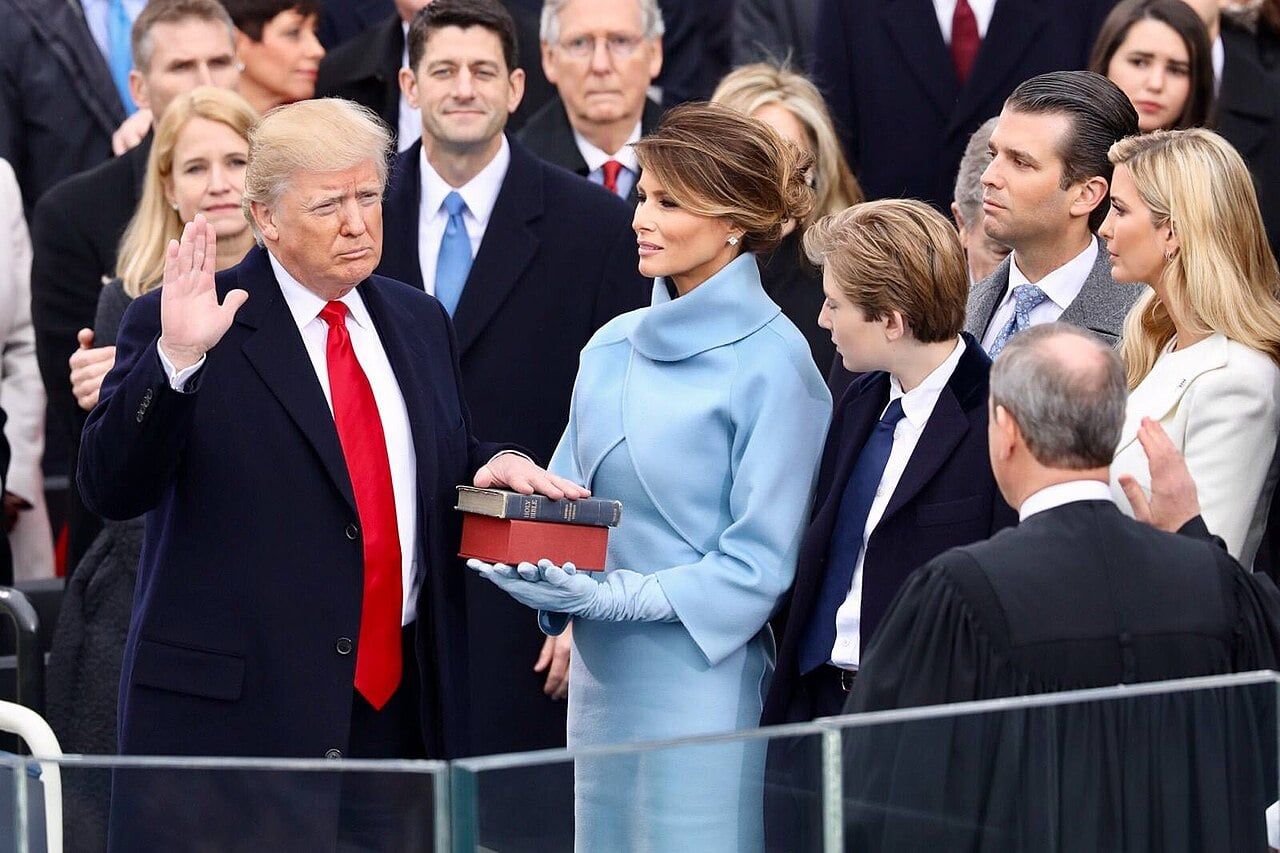
Republican strategists plan an intensive travel schedule involving multiple high-profile surrogates during the final month of campaigning.1 Alongside Trump, Vice President JD Vance, Senate Majority Leader John Thune, Wyoming Senator John Barrasso, and Scott will travel across key battlegrounds.1 Scott indicated that White House chief of staff Susie Wiles assured party leaders during a private meeting on Monday that funding would meet all operational requirements.14
According to Scott, Wiles stated that money would not present an obstacle for Republican Senate candidates.14 The party reported having more than $400 million across combined accounts, including the NRSC, the Senate Leadership Fund, and MAGA Inc.1 Scott told reporters that cash is king in midterm campaigns, crediting affiliated political action committees with securing a decisive spending edge over Democratic rivals.14
Republicans have directed substantial advertising expenditures toward states traditionally viewed as safe territory, including Texas and Iowa.2 GOP candidates face political pressures related to consumer costs, with grocery and fuel prices influenced by the ongoing conflict involving Iran.4 Scott argued that campaign messaging will focus on economic policy, asserting that Democratic senators supported tax measures affecting hourly workers, seniors, and service employees.1
Both party organizations identify a core set of contested seats across the country.2 Key Republican-held seats include contests in Ohio, Iowa, Maine, North Carolina, Texas, and Alaska.21 Democrats are defending seats in New Hampshire and Michigan, while seeking to expand the field into traditionally conservative states like Kansas.21 Scott characterized the cycle as containing a record number of toss-up races, stating that polling in most of these states remains within the margin of error.1
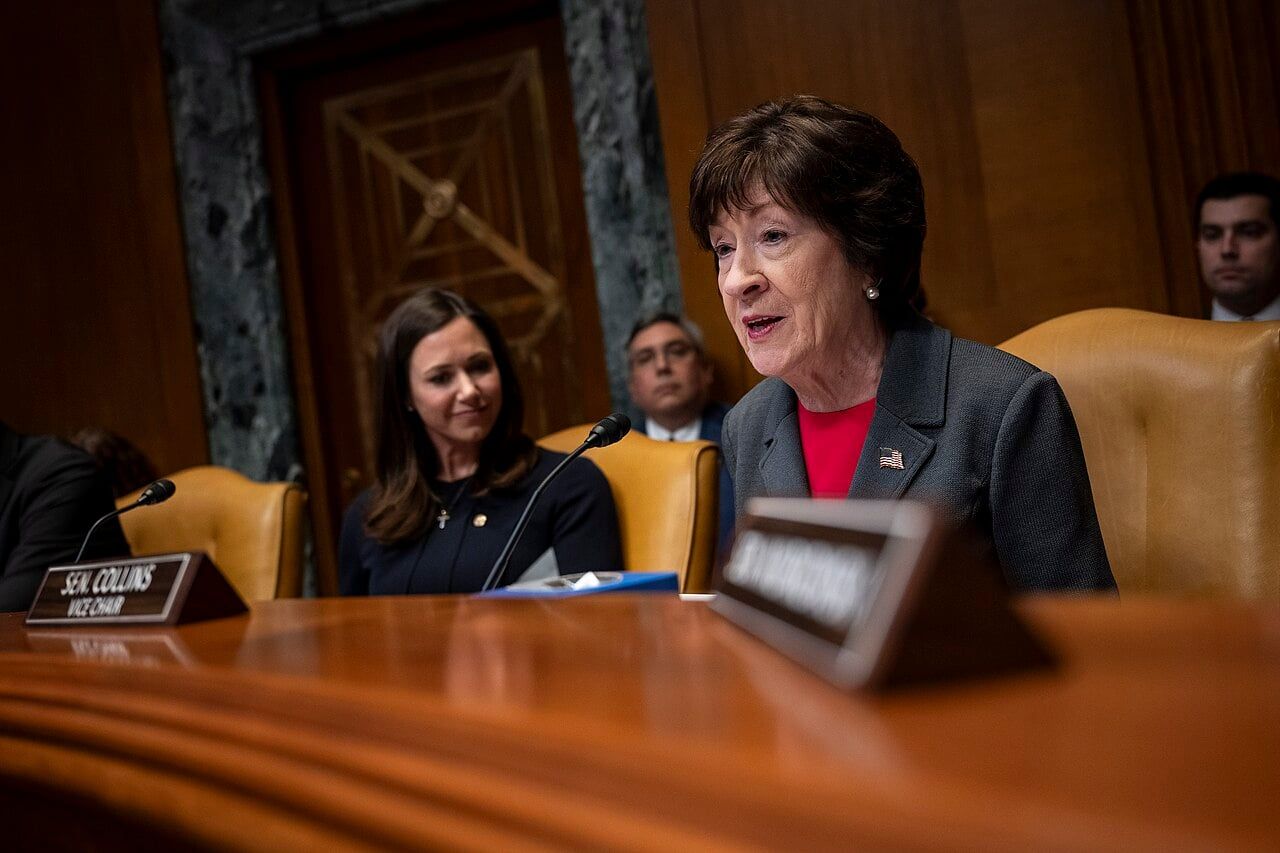
In North Carolina, Republican nominee Michael Whatley faces Democrat Roy Cooper, with Scott identifying community safety as a central debate topic in the state.1 Maine features Republican Senator Susan Collins defending her seat against Democrat Troy Jackson, a contest Scott described as tightening in recent weeks.1 In Iowa, Republican Ashley Hinson is competing against Democrat Josh Turek in a race where economic affordability has become the leading voter concern.
In Ohio, Republican John Husted is running against former Democratic Senator Sherrod Brown in what Scott called a dead even contest.1 Alaska features incumbent Republican Dan Sullivan opposing Democrat Mary Peltola, alongside an independent conservative candidate who shares Sullivan's name.1 Scott maintained that Alaska voters will distinguish between the candidates, expressing confidence that Sullivan will retain his seat despite close polling.1
In New Hampshire, Republican John Sununu is campaigning for an open seat, which Scott noted could double Republican representation from New England.1 Michigan features Republican Mike Rogers facing Democrat Abdulrahman Mohamed El-Sayed, where Schumer observed that trade policies, specifically tariffs on Canadian goods, have complicated the Republican campaign.21 Scott contended that ideological differences will favor Rogers as voters evaluate policy positions on law enforcement and national agencies.1
In Georgia, Republican Mike Collins is attempting to unseat Democratic Senator Jon Ossoff.4 Scott acknowledged that Republicans face an uphill effort in Georgia, though he suggested local ticket strength from state executive races could assist Collins.14 In Texas, Paxton is defending his seat against Democrat James Talarico, with Scott projecting that conservative turnout will preserve Republican control despite spirited opposition.
The competitive playing field has also broadened to states rarely targeted in recent midterm cycles.24 In Kansas, Republican Senator Roger Marshall faces a vigorous challenge from Democrat Adam Hamilton.24 Scott acknowledged that the contest in Kansas has become uncomfortably close, though he insisted Marshall will prevail.24 In Minnesota, Republican Michele Tafoya is challenging Democrat Peggy Flanagan in what Scott described as a tied contest.1
In Nebraska, Republican Senator Pete Ricketts confronts an unusual five-candidate ballot that includes independent challenger Dan Osborn. Scott noted that while polling shows a competitive race, Republican indicators show steady voter commitment heading into November.1 Democrats have simultaneously fielded requests for additional national campaign investment from state organizations in Mississippi and Florida.2 Schumer indicated that while opportunities exist across a wide map, party leadership will focus funding where victories are most attainable.2
Recent legislative votes in the Senate highlighted the partisan tensions defining the final weeks before the election.2 Senate Democrats blocked several Republican proposals, including voter identification requirements, restrictions on congressional stock trading, and a data center measure sponsored by Ricketts and Husted.2 Scott argued that the Democratic filibuster of those measures demonstrated party obstruction, predicting the procedural standoff would reinforce Republican turnout.2
With Congress recessed until after the election and advertising reservations nearly locked in place, both parties have shifted resources to direct mobilization.2 The contrasting assessments from party leaders reflect different calculations about whether Republican financial reserves can counter Democratic confidence in candidate recruitment and local political climates.2 As campaign teams initiate their final state tours, the outcome will depend on turnout across a dozen states operating within narrow polling margins.
What this rests on
60 sentences trace to 4 sources.
-
1
B
breitbart.com Third-party reporting · breitbart.com · 1 Oct 2026 Tim Scott: Republicans Will ‘Hold the Senate Majority Without Question’ See the source
-
2
BE
Burgess Everett Document · semafor.com · 30 Sep 2026 Exclusive: Schumer embraces Trump’s campaign travel, puts Senate fight at ‘50/50’ See the source
-
3
N
newsnow.com Third-party reporting · newsnow.com US Senate News | Latest US Senate News - NewsNow See the source
-
4
AN
ABC News Third-party reporting · abcnews.com · 30 Sep 2026 Senate GOP campaign chief says 'cash is king' as Trump team promises millions to keep majority See the source