Trump weighs diesel export ban as fuel costs climb
Cabinet members and petroleum refiners push back against emergency trade limits four weeks before the midterm vote.

President Donald Trump has convened talks on halting American diesel shipments overseas as congressional allies demand federal intervention to lower transportation expenses before November.12
Republican lawmakers urged the White House to "stop the bleeding" during discussions about inflation, while one industry representative indicated that an executive decision was "getting pretty close to movement."1 Trump confirmed the deliberations while attending the Presidents Cup golf tournament in Illinois, stating that the administration was evaluating trade restrictions.2 "We're thinking about it very seriously," Trump said on Sunday.2 "That can oftentimes lead to a little bit of an increase on gasoline for cars, so we're looking at it very seriously. We may do it."2
Internal divisions over trade restrictions
The proposal has divided administration leadership.1 Energy Secretary Chris Wright argued against an export embargo, indicating that officials were examining narrower trade restrictions instead of an outright ban.21 Policy advisers had previously outlined options that included a 90-day moratorium on foreign fuel deliveries.2 Industry organizations mobilized to resist any federal intervention.2 Mike Sommers, chief executive of the American Petroleum Institute, stated that "restricting U.S. energy exports would only compound the problem" by disrupting refinery operations and raising consumer prices.2 Sommers argued that domestic refineries required additional supply and operational flexibility.2
Record pump prices across domestic regions
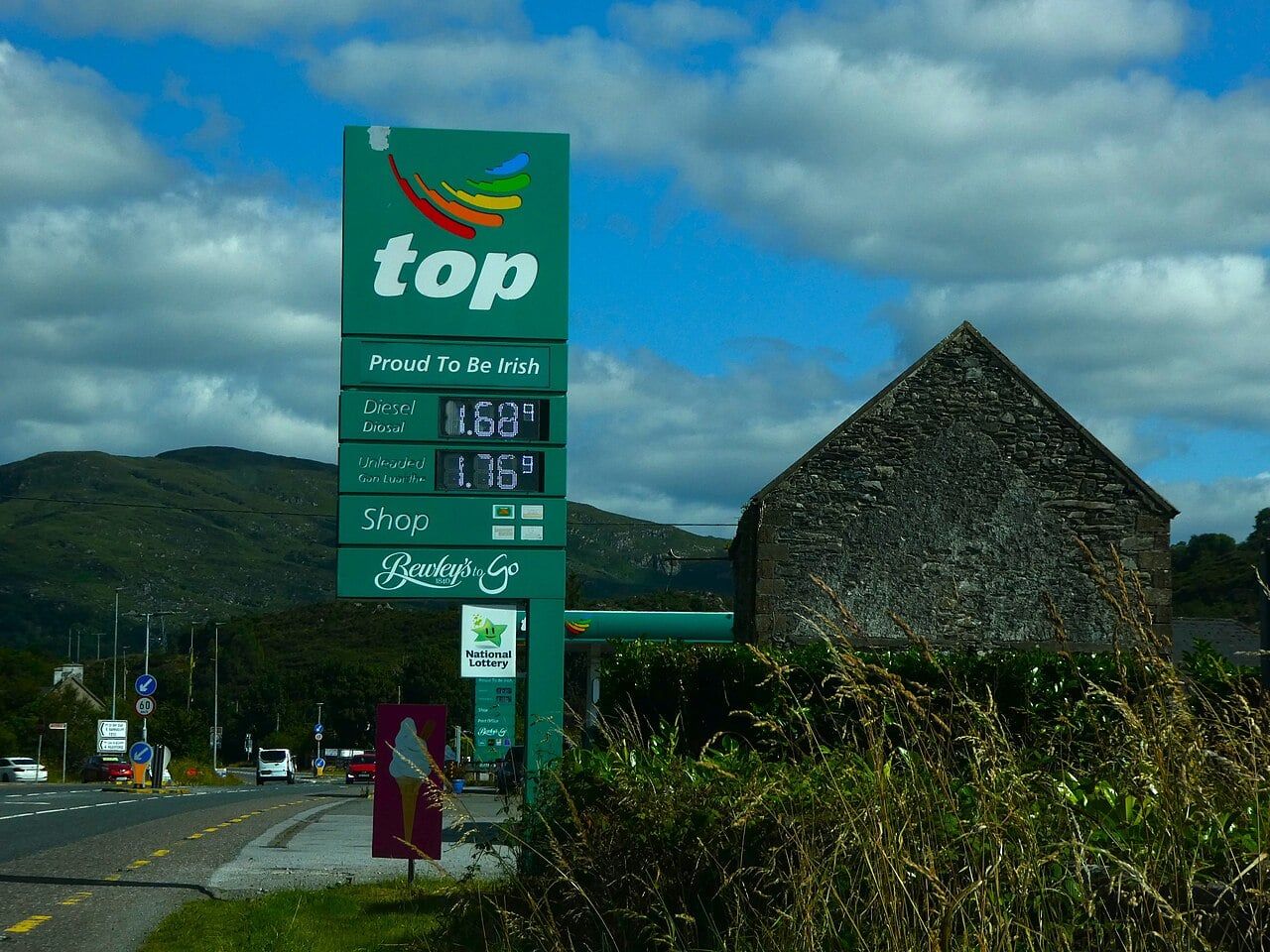
The political urgency follows sustained increases at commercial pumps across the United States.12 National retail diesel prices averaged $6.50 a gallon on Friday, according to data from AAA, remaining just below the record level of $6.53 recorded on September 22.2 High fuel bills have squeezed agricultural operators, long-haul trucking fleets, and household budgets.2 A recent survey of oil and gas executives indicated that diesel prices could remain elevated for an entire year.1
Regional price distortions have grown severe in isolated fuel markets.1 The White House announced that Trump planned to travel to Alaska to campaign alongside an embattled Republican senator.1 In that state, standard gasoline has surpassed $10 a gallon in urban centers, while remote rural outposts have seen fuel prices approach $30 a gallon.1
Downstream risks for motor fuels
Energy analysts warned that restricting outgoing shipments could generate unintended consequences across fuel markets.2 Strategists at Morgan Stanley noted that an export curb could initially lower domestic diesel prices, yet cautioned about broader domestic repercussions.2 "Not only would diesel prices be higher globally, but there could be a feedback loop to US gasoline prices as refinery runs adjust," strategists at Morgan Stanley wrote in a research note.2 When domestic facilities curtail product exports, refineries often alter crude processing rates, reducing gasoline output and exerting upward pressure on automobile pump prices.2
European vulnerability and overseas flows
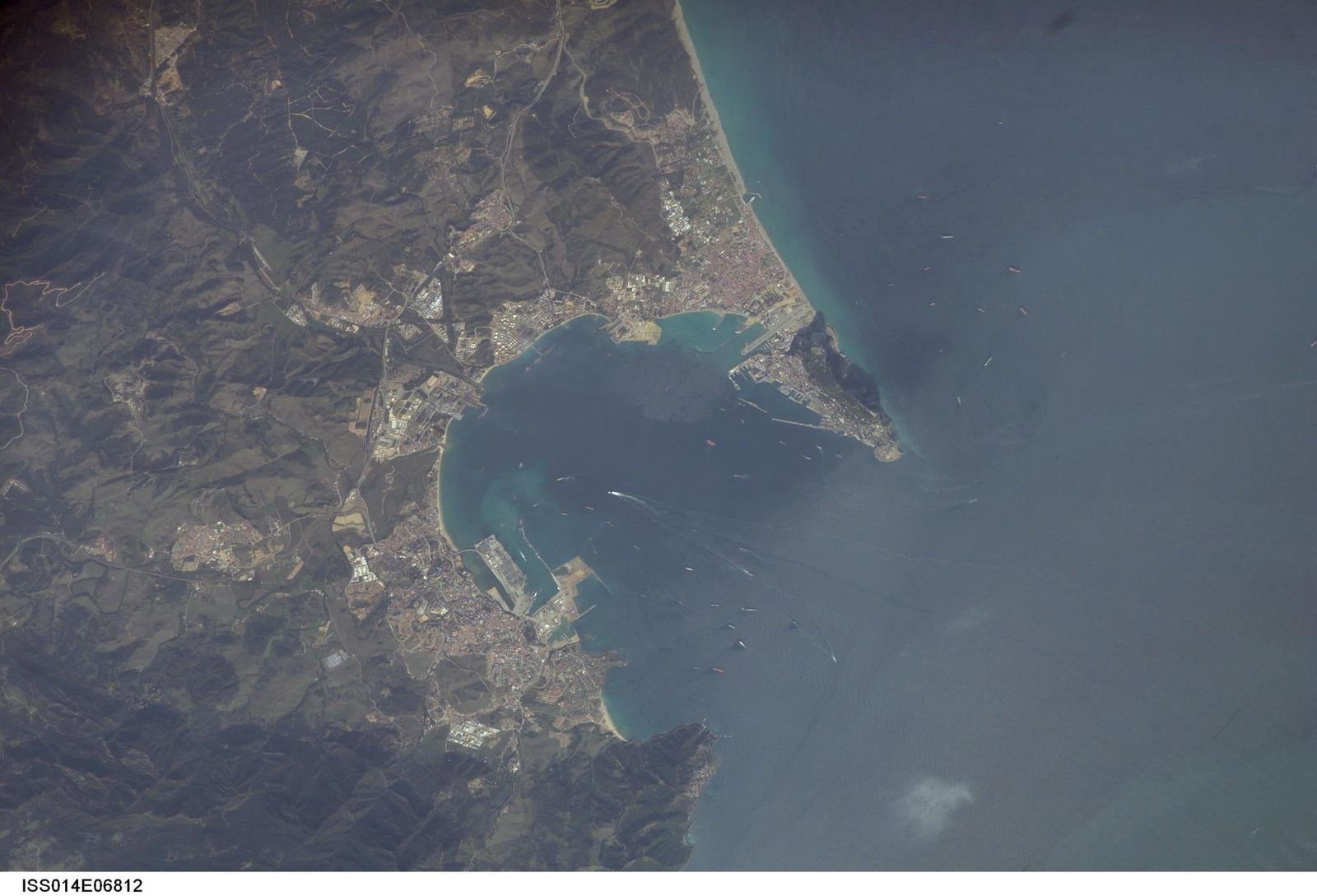
Overseas markets face sharp exposure because the United States provides approximately half of Europe's diesel imports.2 Benedict George, head of European product pricing at Argus Media, stated that an export ban would push European fuel costs and crude premiums "to a new unprecedented level."2 George noted that European oil traders expressed skepticism about whether Washington would implement such an intervention, given the operational complexity for American energy corporations.2 "It's really important to be clear that there is no measure yet and it's very unclear whether there will be a measure at all and what the measure will be even if there is a vision," George said.2
Geopolitical bottlenecks and refinery strikes
Global diesel supplies have tightened under protracted international hostilities.2 Conflicts involving Russia and Ukraine, along with military tensions between the United States and Iran, have obstructed critical commercial shipping channels, including shipping lanes through the Strait of Hormuz.2 Ukrainian drone strikes on Russian refining facilities removed significant refining capacity from the international market.2 Trump previously urged Ukrainian President Volodymyr Zelenskyy to halt strikes on Russian oil refineries, stating that the attacks were "hurting the world" by driving up global fuel values.2 Ukrainian officials defended the operations, describing Russian energy infrastructure as legitimate military targets.2 George observed that those facility strikes transformed diesel into "the biggest problem for the global oil system, whereas before it was one of several very big problems."2
Extreme market volatility has left commercial traders unable to forecast price trajectories.2 George noted that industry participants viewed any potential American trade measure as strictly temporary, spanning two to three months.2 Global supply bottlenecks remain unresolved, leaving consumer prices exposed to further disruption as winter approaches.
What this rests on
35 sentences trace to 2 sources.
-
1
BR
Brendan Ruberry Document · semafor.com · 30 Sep 2026 White House huddles on possible diesel export ban: Report See the source
-
2
C
CNBC Third-party reporting · cnbc.com · 28 Sep 2026 Trump ‘very seriously’ considering diesel export ban as global supply crunch worsens See the source