Estonia labels Russian covert sabotage as war
Tallinn linked Moscow to a factory arson as European leaders debated deterrence, intelligence sharing, and diplomatic guardrails.
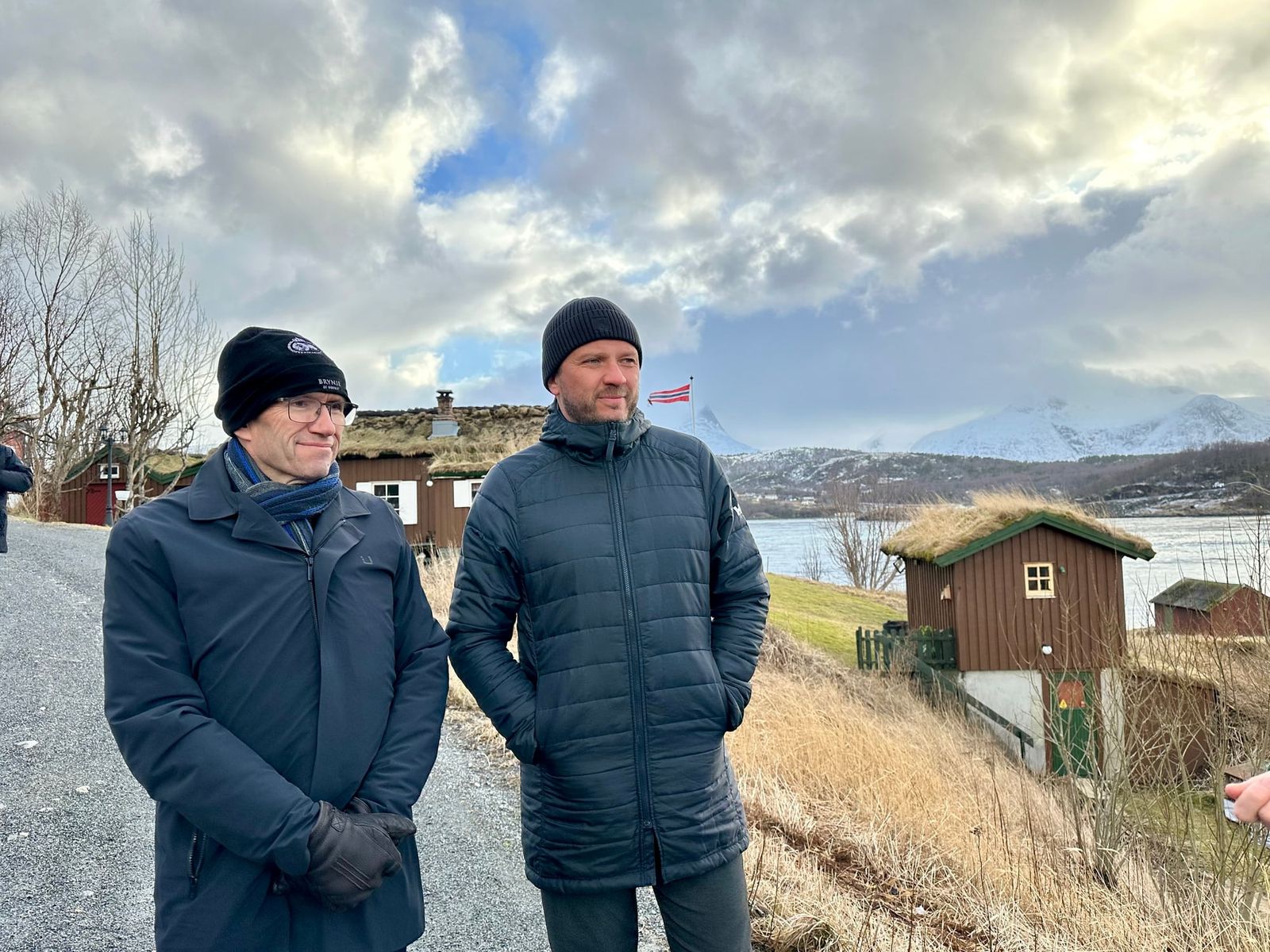
Estonian Foreign Minister Margus Tsahkna called on European governments to abandon the phrase hybrid attacks and classify covert Russian sabotage across the continent as acts of war.123 His intervention arrived after Estonian authorities confirmed Russian intelligence involvement in an August arson attack that struck the Milrem Robotics facility in Tallinn, a manufacturing plant that supplies unmanned vehicles to Ukraine.12
Addressing European officials on Thursday, Tsahkna argued that the current terminology downplays organized violence.21 He urged allied leaders to describe covert Russian operations as terror attacks and sabotage attacks that amount to systematic aggression against European society.321 In his assessment, minimizing these hostile operations under abstract labels weakens deterrence and conceals the physical damage inflicted on Western infrastructure.
Sabotage operations across borders
The Tallinn arson investigation led to the detention of three Latvian citizens who were suspected of carrying out the attack before being transferred to Estonian authorities.1 Tsahkna identified the factory fire as one component of a broader operational wave directed by Moscow.12 That sequence of covert actions included August drone disruptions directed against the airport in Leipzig.14

Russian intelligence agencies have increasingly relied on civilian recruits, offering easy money to spotters and saboteurs across Europe.1 Tsahkna emphasized that Moscow uses low-level operatives to fracture societal cohesion and test administrative response times.1 He warned that failing to establish clear accountability now risks inviting direct human casualties later, even as Russian forces remain incapable of launching conventional military strikes against NATO territory.1
To confront the campaign, Tsahkna called on member states across the European Union to deepen coordination among national intelligence services.1 He urged capitals to share forensic evidence, issue coordinated public attributions against the Kremlin, and prosecute local accomplices through legal frameworks.1 His appeal coincided with discussions among European defense ministers regarding an emergency security protocol designed to generate alliance-wide solidarity against gray-zone incursions.45
Debate over military deterrence and escalation
The policy debate surrounding gray-zone operations has split European defense planners between collective military deterrence and diplomatic containment. Outgoing and incoming security officials have weighed how NATO protocols should apply to covert physical damage. European defense figure Andrius Kubilius stated that an armed Russian attack on an arms manufacturing facility would trigger a direct military response from the alliance.54
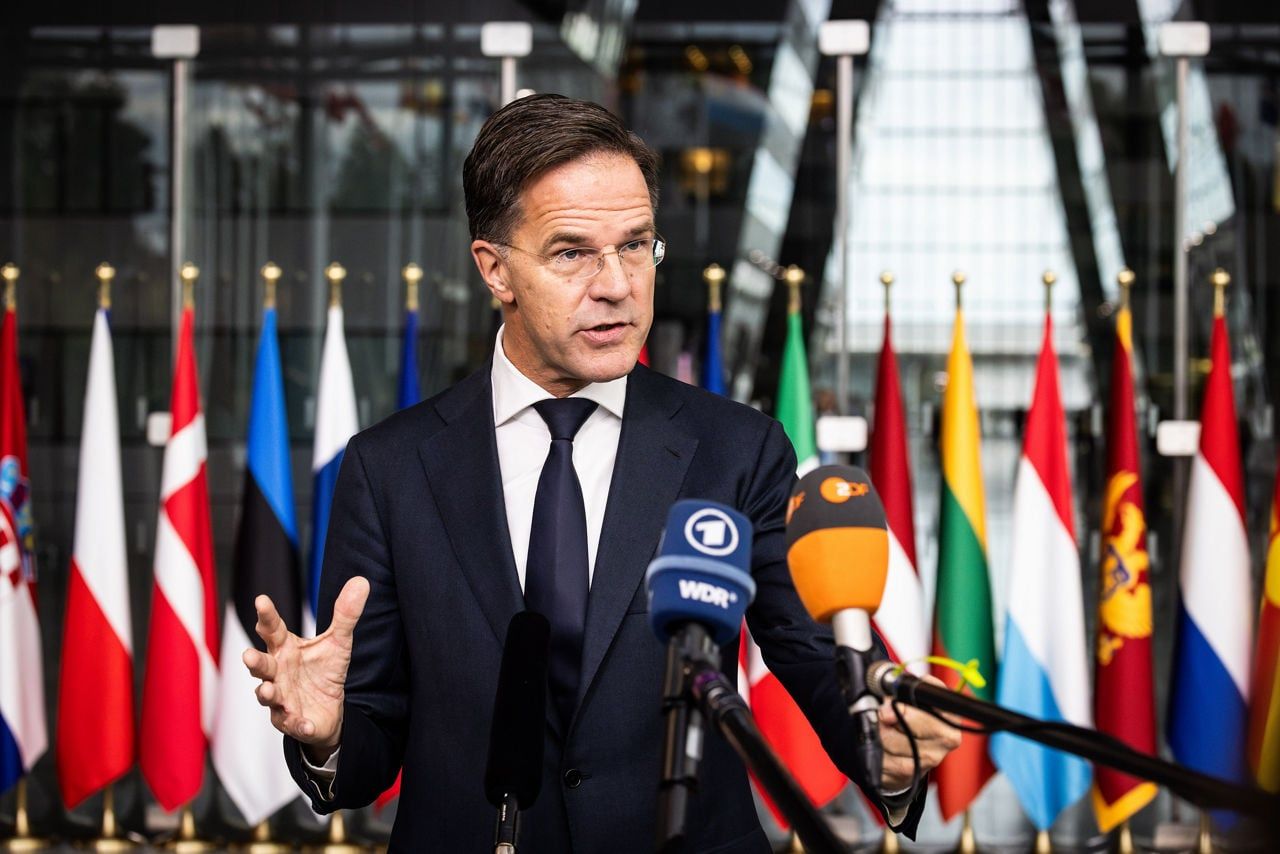
NATO Secretary General Mark Rutte indicated that the transatlantic alliance maintains varied options to address covert aggression.1 Rutte stated that collective counter-measures would not necessarily unfold symmetrically or in public view.1 The posture reflects efforts inside Brussels to establish firm boundaries while avoiding inadvertent escalation into general warfare.
A competing perspective emerged from researchers examining European crisis management. The director of the Carnegie Russia Eurasia Center argued that European policymakers should refrain from addressing Moscow strictly through force.2 In that analysis, relying solely on an offensive posture risks pushing both sides toward uncontrolled escalation, leaving Europe one mass-casualty event away from open conflict.2
The center’s director advised European governments to prioritize domestic infrastructure defense and pursue negotiated guardrails with the Kremlin alongside security measures.2 Russian President Vladimir Putin claimed ahead of discussions with an American delegation that Moscow possesses the capability to enter conflict with Europe but holds no intention of initiating one.1
Baltic officials maintain that defensive preparations alone cannot replace collective naming and deterrence. Tsahkna argued that treating sabotage as ordinary criminality allows foreign operatives to operate without facing systemic consequences. As European institutions evaluate security proposals, member states continue to deliberate where covert subversion ends and open warfare begins.
What this rests on
20 sentences trace to 5 sources.
-
1
U
UA.NEWS Third-party reporting · ua.news · 1 Oct 2026 Estonian Foreign Minister Calls on Europe to Directly Label Russia's Hybrid Attacks as War See the source
-
2
BR
Brendan Ruberry Document · semafor.com · 1 Oct 2026 Russian hybrid actions are ‘war,’ Estonian FM warns See the source
-
3
X
x.com Third-party reporting · x.com POLITICOEurope (@POLITICOEurope) on X See the source
-
4
P
politico.eu Third-party reporting · politico.eu Russia – POLITICO See the source
-
5
P