Tehran letter proclaims victory as Trump predicts rapid end
A sprawling 14,390-word Iranian dispatch rejects diplomatic compromise while Washington prepares fresh naval deployments and targeted industrial sanctions.

A 14,390-word letter addressed to the American public published this week declared an Iranian victory over the United States, indicating that seven months of armed conflict remain far from a negotiated settlement.12 The expansive document asserted that Iranian operations decimated American military installations across the Persian Gulf, forced the United States Navy into retreat, and destroyed billions of dollars in advanced radar and aircraft.1 Observers noted that while parts of those claims reflect real operational friction, the account substantially inflates American damage while omitting the heavy losses suffered by the Islamic Revolutionary Guard Corps.1
The diplomatic stalemate deepened as Iranian authorities signaled preparations for a more aggressive posture. Tehran is organizing a stronger response should Washington resume large-scale aerial and naval strikes.1 Regional analysts observed that Iranian officials maintain virtually no confidence in American negotiators, shaping an operational doctrine oriented around continuous escalation and offensive maneuvers.1
Competing ultimatums across the Gulf
In the United States, political leadership presented an entirely different assessment of the conflict. Speaking at an industrial facility in Denton, Texas, President Donald Trump stated that Iran is ready to fold up and maintained that the war would conclude very quickly either before or immediately after the upcoming elections.32 Trump claimed that Iranian military capabilities had been largely neutralized, remarking that their navy and air force were effectively gone.23
Behind the political rhetoric, mediation efforts have repeatedly stalled over terms for maritime passage. While Iranian Foreign Minister Abbas Araghchi previously outlined a proposal that would initiate a seven-day countdown toward reopening the Strait of Hormuz alongside a regional ceasefire, American officials dismissed the initiative.2 Trump rejected the terms, asserting that Tehran sought an agreement only because its strategic position had deteriorated.2
Iranian President Masoud Pezeshkian maintained that Tehran would not yield to external pressure, insisting that the country has never retreated from dialogue even after American strikes breached a previous memorandum of understanding signed in June.32 Speaking in Tehran, Pezeshkian warned Washington against attempting to force national capitulation, even as he reiterated that diplomatic discussions remained open on sovereign terms.32
Escalating naval deployments and economic pressure
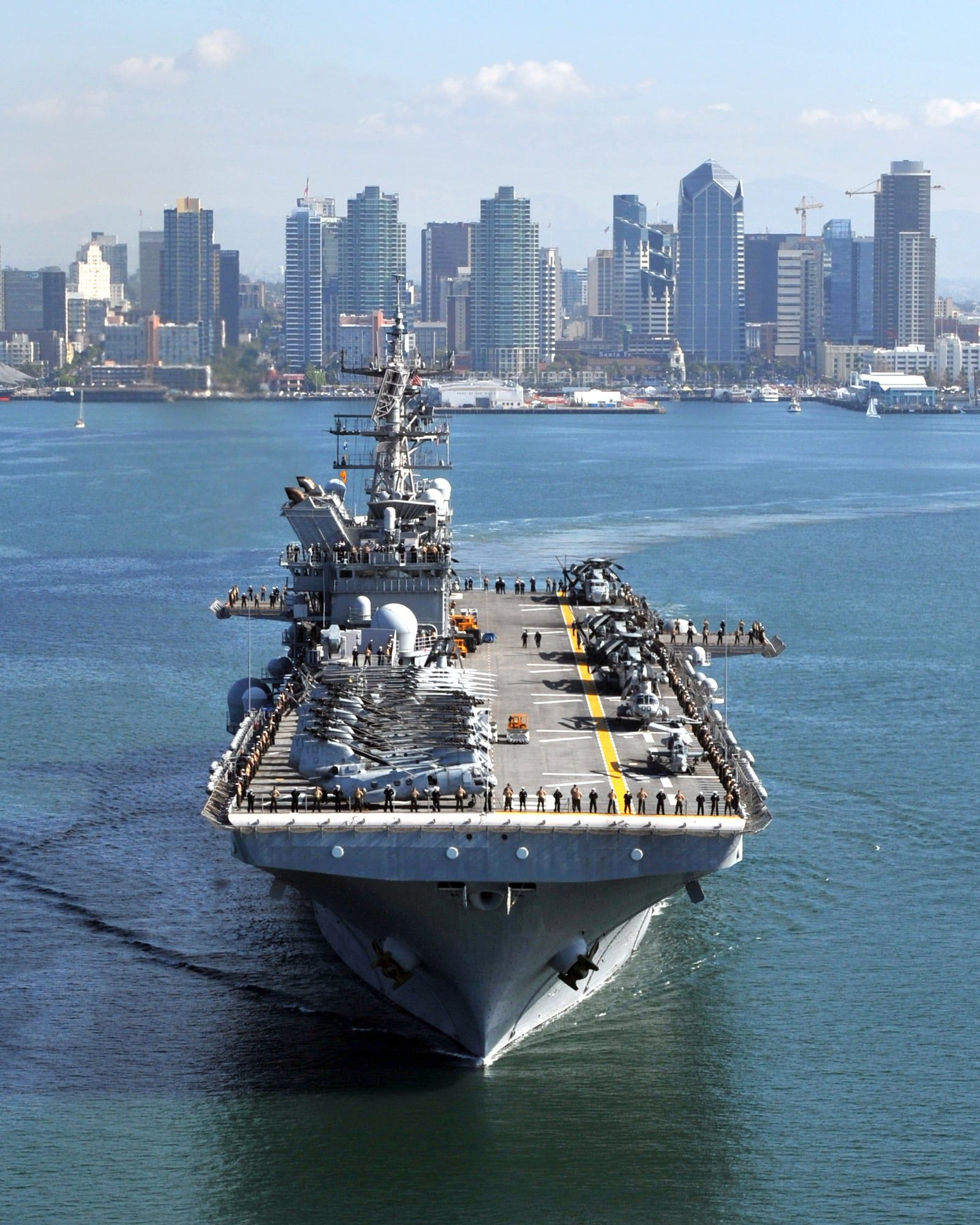
Rather than drawing down, American military forces are moving additional assets toward the region. A naval group comprising three vessels carrying more than 7,000 sailors and 2,000 Marines has deployed toward the Middle East, including the USS Theodore Roosevelt carrier strike group and the USS Makin Island amphibious readiness group.2 The movement positions the Pentagon to operate three carrier strike groups simultaneously in regional waters by late October, joining the USS George H.W. Bush and the USS George Washington to assemble a concentration exceeding 20,000 personnel.32
The naval buildup coincides with intensified economic enforcement designed to choke Iranian industrial finance. The United States Treasury Department enacted sanctions aimed at a shadow financial network known as the A7 Network, designating it as a significant transnational criminal organization tied to illicit fund transfers.3 Federal regulators simultaneously introduced restrictions across Iran's automotive and railway sectors, identifying domestic vehicle manufacturers and transit operators as critical industrial assets sustaining the Islamic Revolutionary Guard Corps.32
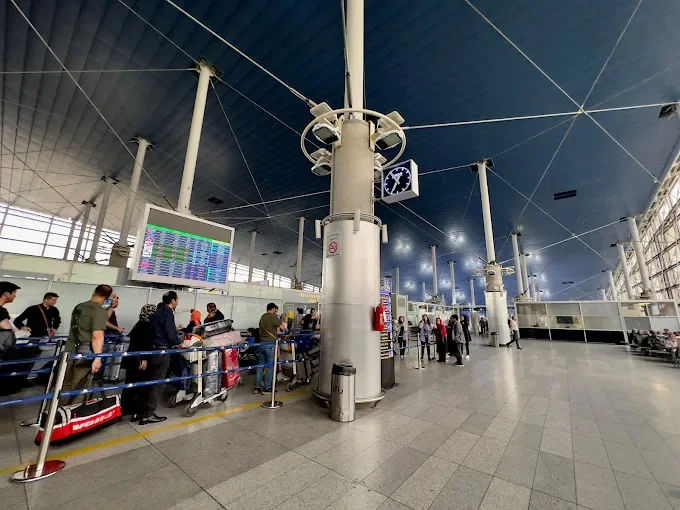
Air transit data illustrates the immediate disruption caused by commercial restrictions. International flight volumes operating through Tehran's Imam Khomeini International Airport declined 42 percent within days of new American regulatory measures targeting international aviation support.3 Daily cross-border movements dropped from an average of 91 international flights to 53, with commercial routes to Oman, Georgia, and Azerbaijan halting entirely.
Maritime traffic along the Strait of Hormuz continues to encounter direct danger. Commercial tankers transiting the strategic waterway have faced recurrent projectile strikes, leaving several vessels ablaze and demonstrating that transit security remains contested despite international enforcement operations.23
What this rests on
18 sentences trace to 3 sources.
-
1
BR
Brendan Ruberry Document · semafor.com · 1 Oct 2026 Iran asserts victory over US in 14,390-word letter to Americans See the source
-
2
TT
The Times Of India Third-party reporting · timesofindia.indiatimes.com · 30 Sep 2026 US Iran War Live Updates: Iran urges Iraq to lift flight curbs imposed amid US sanctions - The Times of India See the source
-
3
YN
Yahoo News Third-party reporting · cbsnews.com · 2 Oct 2026 Trump says Iran "ready to fold up" See the source