IEA targets 35% global electrification by 2035
Accelerating power adoption could save energy importers $500 billion annually, though grid bottlenecks and political friction threaten progress.

Electricity accounted for 23.4 percent of global final energy consumption in 2025, up from 16.7 percent in 2000, according to data from the International Energy Agency.12 The Paris-based organization is now urging governments to formally adopt a target of reaching 35 percent electrification of final energy by 2035, an objective discussed by climate negotiators in Bonn, Germany, and slated for the agenda at COP31 in Antalya, Turkey.12
Addressing delegates at the United Nations, IEA executive director Fatih Birol argued that the traditional tensions governing energy policy are dissolving.1 "Many, many years in the energy world, we had three choices in front of us. Shall I choose the most secure energy option? Shall I choose the most economic energy option? Or shall I choose the cleanest energy option?" Birol said.1 "We have to make choices, we have to make trade-offs but when we look at the world today, for the first time in years, all of these three objectives are getting aligned."1
In the agency's assessment, the historical trilemma balancing cost, security, and environmental damage has tilted decisively toward electric systems.1 Fuel market disruptions linked to the Iran war have driven up oil and natural gas prices, sharpening national security anxieties among net importers while improving the relative economics of wire-delivered power.1
The operating cost gap
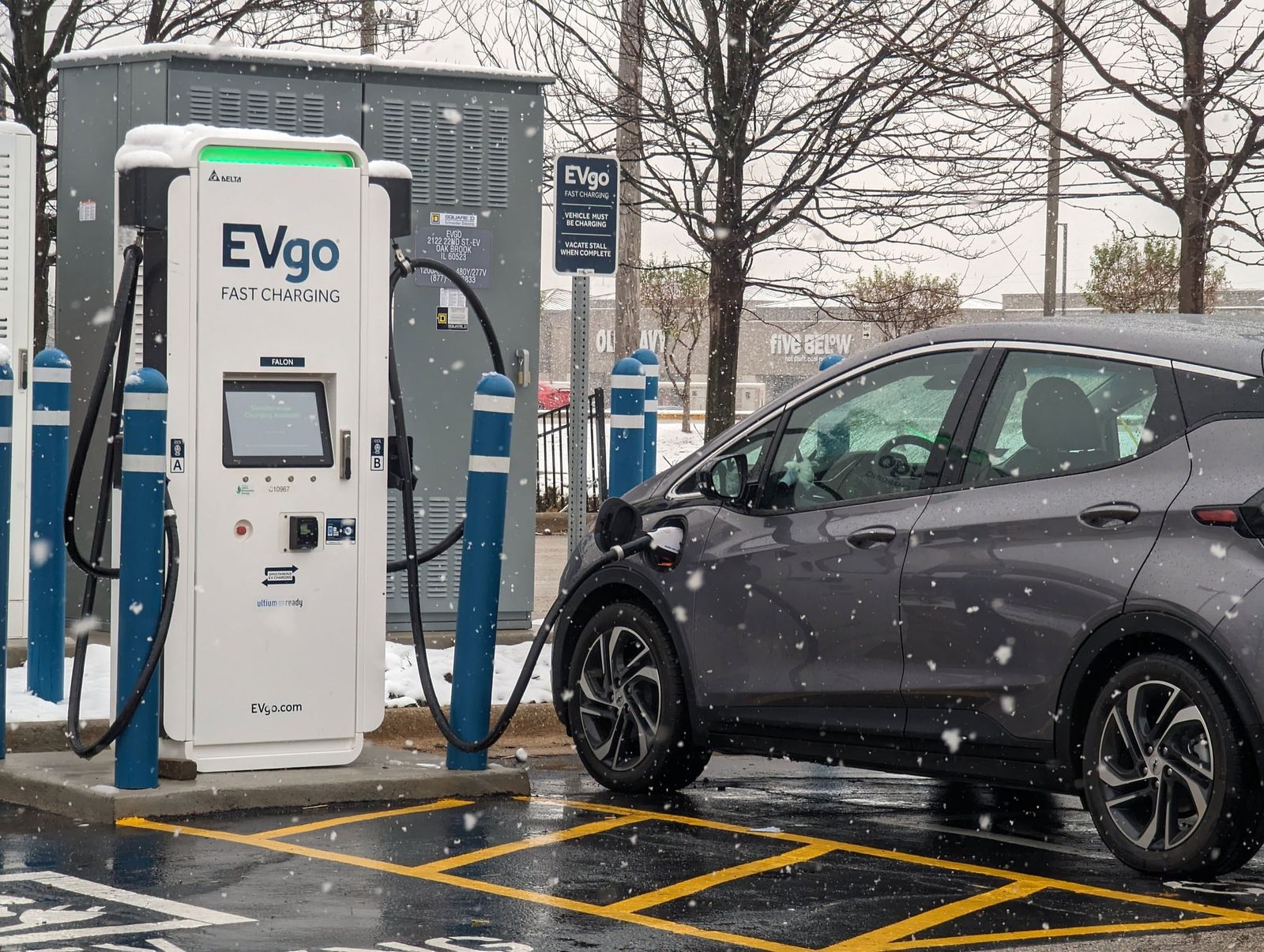
The consumer economics underpinning the transition reflect widening operational efficiency gaps between fossil fuels and electric machines. Based on 2025 global average prices documented by the IEA, spending $100 on gasoline propelled an internal combustion passenger car roughly 862 miles, whereas $100 spent on grid electricity powered an electric vehicle for 2,310 miles.1 That performance gap represents nearly a threefold operating advantage for battery power.1
A similar divergence has emerged in residential heating. An expenditure of $100 purchased enough fuel for a conventional natural gas boiler to provide 30 days of domestic heat, while the same sum paid for enough electricity to run an electric heat pump for 42 days, delivering a 40 percent efficiency edge.1 Because retail price spikes in crude oil and natural gas have outpaced electricity cost increases, the agency noted that those operational advantages have widened further.1
According to an IEA report prepared in partnership with the COP31 Presidency, accelerating the global electrification rate to 35 percent by 2035 could save fuel-importing nations more than $500 billion annually.2 The agency projected that greater efficiency from electric appliances and vehicles could lower average household energy bills by roughly 15 percent.2
Road transportation offers immediate room for displacement, aided by a decline of roughly 90 percent in lithium-ion battery costs since 2010.2 Electric vehicles, buses, and trucks currently avoid around 2.3 million barrels per day of global oil demand.2 Under the IEA high electrification pathway, electric transport would displace 18 million barrels per day by 2035, with 80 percent of those savings accruing directly to fuel-importing economies.2
Upfront capital and heavy transport
Despite those operational economics, independent energy researchers caution that converting the broader economy to power involves deep structural friction. Electrification progress remains highly uneven geographically: China recorded the largest historical gains between 2000 and 2025, while North America posted among the smallest shifts in end-use electricity share.1
David Victor, a professor of innovation and public policy at the University of California, San Diego, described the current landscape as more ambiguous than official targets suggest.1 "I see today's energy system more as a Rorschach test," Victor told Primary, observing that different participants draw contrasting conclusions from the same market signals.1 Victor said he does not foresee rapid electrification across heavy trucking, commercial aviation, or maritime shipping.1 He added that rising trade barriers could impede progress if countries restrict imported equipment such as Chinese solar panels to shelter domestic manufacturers, concluding that "the trade-offs are inescapable."1
Capital intensity presents an additional hurdle for rapid deployment. Kenneth Medlock III, senior director for the Center for Energy Studies at Rice University's Baker Institute for Public Policy, emphasized that evaluating the real-world pace of electrification requires balancing running costs against initial balance-sheet commitments.1 "In truth, the lesson from the current moment is to diversify energy choice and the supply chains of specific energy types, but at the lowest possible cost," Medlock said.1
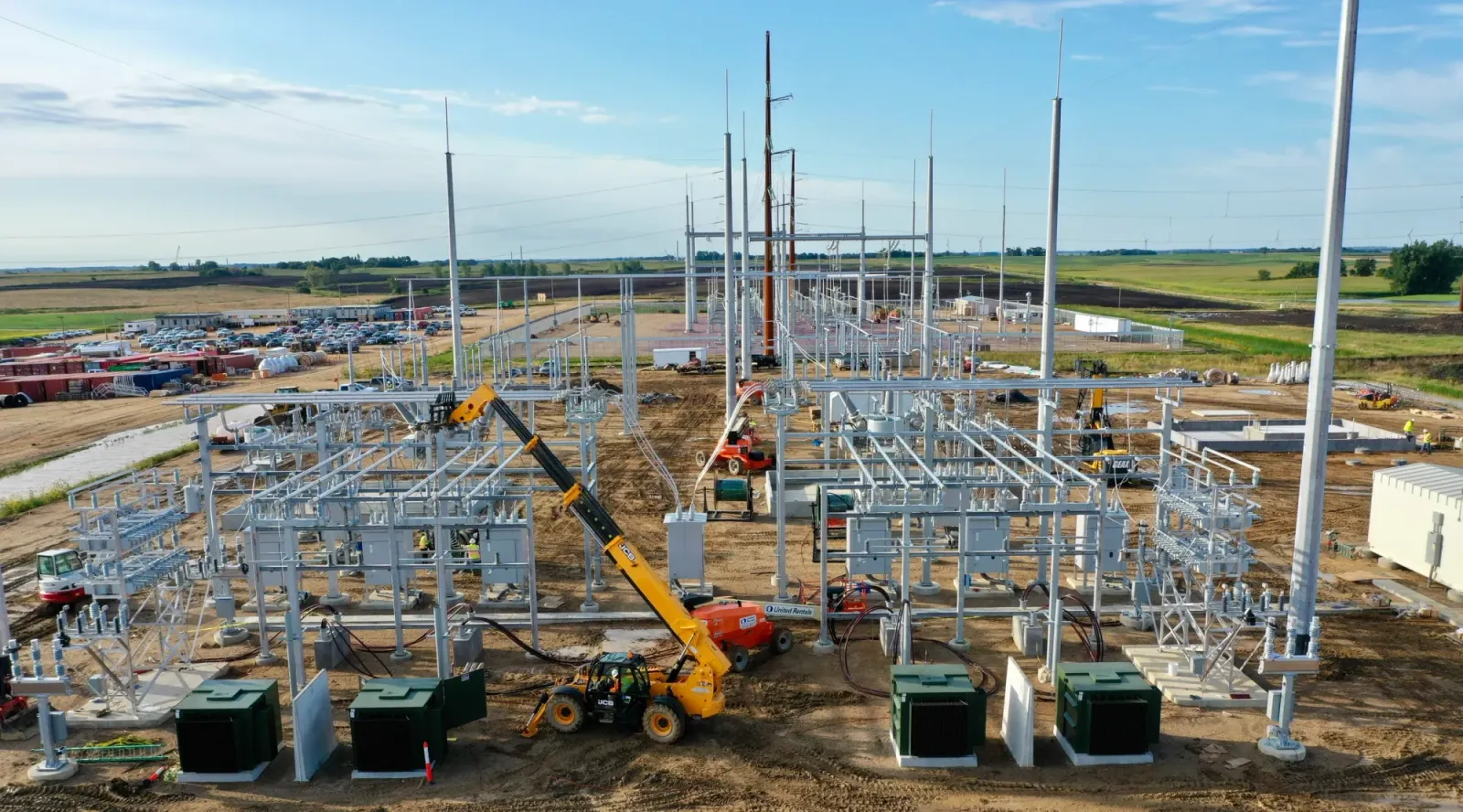
Medlock pointed out that while solar arrays and wind installations enjoy negligible marginal operating costs, they demand significant upfront capital to construct.1 Generating plants, transmission lines, and storage capacity all compete for financing. Under current national policies, the IEA estimates the world is on track to reach 30 percent electrification by 2035, falling short of the proposed 35 percent benchmark unless capital deployment accelerates.2
Political friction and the developing world
Closing that gap requires an unprecedented expansion of physical infrastructure. To support a 35 percent electrification share, annual electricity demand growth would need to expand by roughly 1,400 terawatt-hours through 2035, almost double the rate experienced over the prior decade.2 Power grids worldwide would need to expand and modernize 40 percent faster than their historical 10-year pace, while annual global investment in end-use electrification equipment would have to triple to approximately $1 trillion.2
Those engineering requirements collide with domestic political realities. Emily Grubert, an energy systems researcher at the University of Notre Dame, pointed to institutional resistance from legacy energy suppliers as a primary brake on deployment.1 "I think Birol is basically correct, but the reason we're not seeing transition happening rapidly and naturally is that the 'we' he's referring to is not the 'we' that actually makes the decisions," Grubert said in response to questions from Primary.1 In Grubert's view, political authorities in major fossil fuel-producing states frequently prioritize incumbent corporate revenues, protecting coal, gas, and oil production at the expense of cleaner technologies.1
The financial barrier is even steeper across developing economies, where immediate budget limitations often favor dirtier, cheaper fossil assets. Chuks Okereke, a professor of global climate governance and public policy at the University of Bristol, warned against assuming that wealthy-nation economics apply globally.1 "Sometimes in the bid for optimism, we oversimplify and ignore important contexts," Okereke said.1
Okereke served as lead author on a June study published in Energy Economics demonstrating that fossil fuels and high-emission infrastructure remain economically rational for Nigeria in the near term because cleaner alternatives carry prohibitive upfront capital requirements.1 Without concessionary finance and technical support from international institutions and wealthier economies, Okereke argued, developing nations cannot absorb the capital costs required to turn electrification into a net economic positive.1
Birol acknowledged that agreeing on the 35 percent target at COP31 in Antalya would not instantly solve the transition's underlying engineering and financing disputes. A formal multilateral endorsement, Birol maintained, would nonetheless "give a very strong and unmistakable signal" to capital markets and industrial planners about where the energy system must head.1
What this rests on
39 sentences trace to 2 sources.
-
1
DG
Dan Gearino, Inside Climate News Document · arstechnica.com · 4 Oct 2026 All hail electrification. But let’s talk about the hard part. See the source
-
2
A
aa.com.tr Third-party reporting · aa.com.tr IEA says faster electrification could save energy importers over $500B a year See the source