Flock Safety municipal contracts show climbing recurring costs
Agreements across North Dakota, Ohio, and Virginia demonstrate how annual subscription fees multiply across city budgets over multiyear terms.
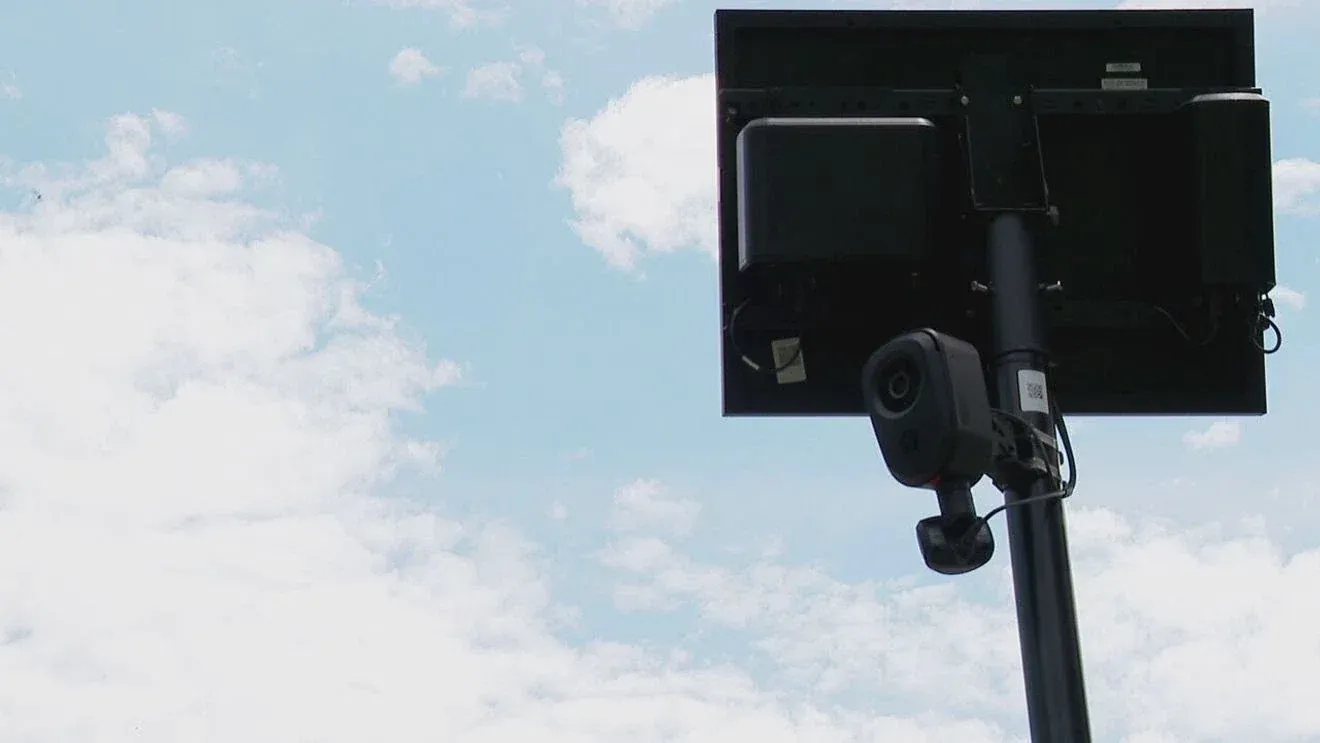
Municipal contracts across several states reveal that automated license plate reader networks sold by Flock Safety require substantial, recurring annual investments that compound as local police departments expand hardware installations.12
Public accounting records and municipal agreements from Ohio, North Dakota, and Virginia show that while initial installation figures attract early attention, the long-term commitments involve bundled software licensing, maintenance, and regular renewals.32 Flock Safety bundles hardware, software, installation, onboarding, maintenance, and technical support into annual subscription agreements, making ongoing access dependent on continued yearly appropriations.3
In North Dakota, the neighboring cities of Fargo and West Fargo paid a combined $232,500 to Flock Safety in 2025 alone.2 Fargo paid $133,000 during that calendar year, which included $100,000 for automated license plate readers, long-range units, and video camera service under the second year of a 24-month contract.2 The city also paid $33,000 for video integration hardware and software financed by a federal grant, an agreement that establishes a recurring annual obligation of $32,300.2
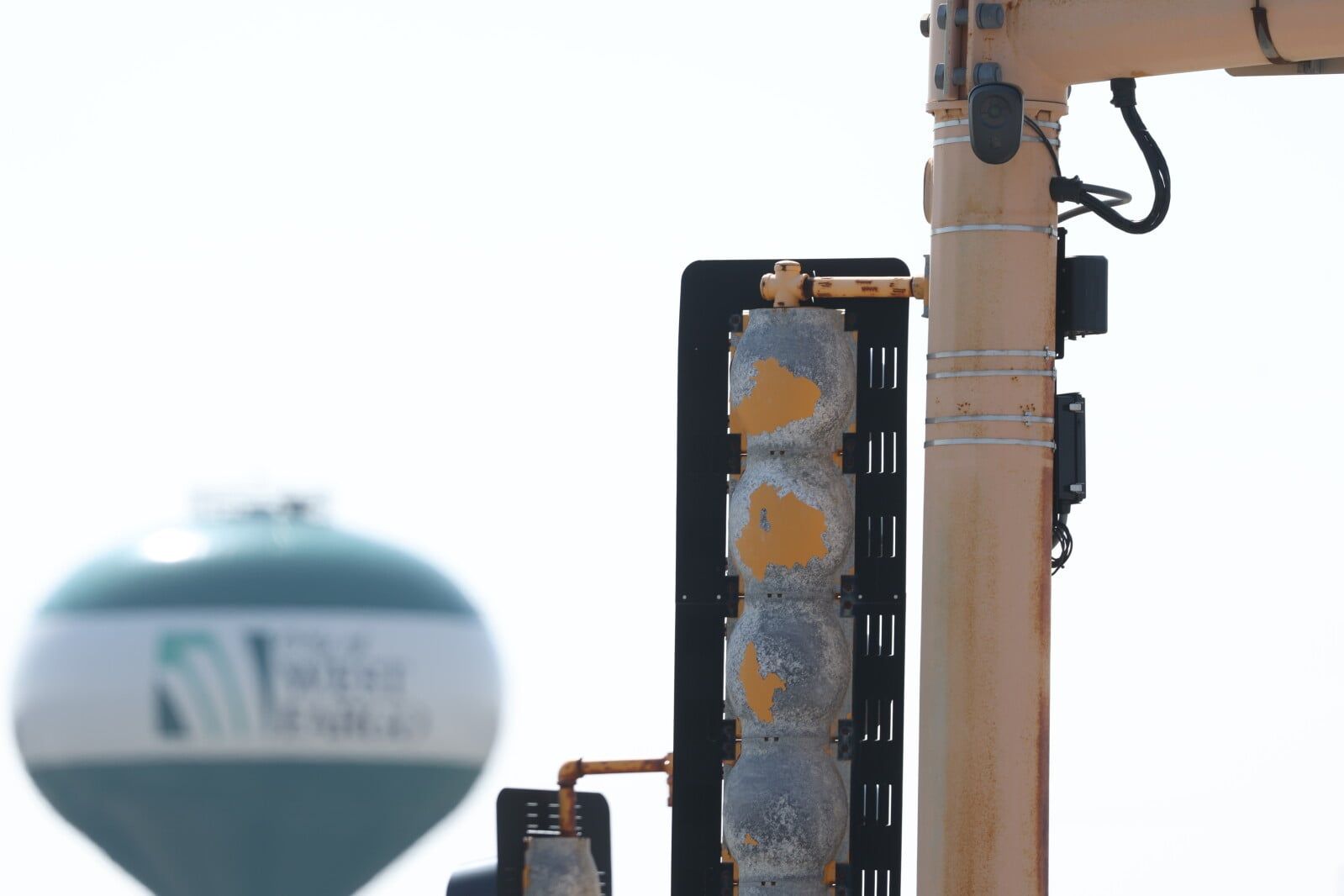
West Fargo spent $99,500 in 2025 for the first year of a two-year contract covering 30 license plate readers, signed by Police Chief Pete Nielsen in November 2024.2 The underlying contract specifies that maintaining the initial 30 readers requires $90,000 annually starting in the second year.2 West Fargo signed an expanded agreement in November 2025 covering additional readers, video cameras, and intersection units, incurring an initial cost of $102,350 billed in February 2026 alongside a continuing yearly charge of $94,250.2
Fargo operates 26 cameras in total, including 21 fixed automated license plate readers and five pan-tilt-zoom cameras along Broadway downtown.2 Fargo police confirmed the downtown cameras contain an automated tracking tool called Guardian Mode capable of following moving vehicles or individuals, though the department stated the function remains deactivated.2
Contract structures in northeastern Ohio demonstrate similar ongoing costs across suburban and urban departments.3 In Shaker Heights, City Council approved a five-year agreement starting in August 2023 for seven cameras with a maximum value of $87,650, built on recurring annual charges of $17,500.3 Council members approved 11 additional solar-powered units in February 2025, lifting the total to 18 readers and raising the maximum five-year contract ceiling to $204,550.3 Police departmental projections budgeted $54,650 for 2025 and $50,500 for each of the following three years.3

In nearby Strongsville, officials approved an initial 24-month agreement in January 2024 covering 19 readers.3 That contract authorized $72,250 for the first year, including $8,750 in one-time setup expenses, followed by an annual charge of $63,500.3 City Council approved six additional readers in November 2025 under a separate three-year pact costing $18,900 in the first year and $18,000 annually thereafter.3
Cleveland approved a more constrained arrangement on July 15, when City Council voted 9 to 6 to authorize a six-month, $125,000 extension for roughly 100 readers.3 Mayor Justin Bibb had sought a one-year agreement valued at $250,000, but lawmakers shortened the commitment while preparing competitive solicitations for alternative vendors.3 The Cleveland measure prohibits vendor data transfers without a search warrant, establishes a public audit portal, mandates quarterly legislative reports, restricts data sharing with the regional fusion center, and imposes penalties of up to 25 percent for unauthorized disclosures.3
Elsewhere, escalating costs and privacy disputes have prompted contract cancellations.24 In Virginia, Richmond Mayor Danny Avula announced the city will not renew its agreement for 99 fixed license plate readers when the contract expires on June 30.4 Avula pointed to the departure of neighboring Henrico County, which ended its Flock contract over data governance questions.4 Henrico officials reported a 3 percent annual fee increase during a July renewal that lifted camera costs to about $2,652 per unit.4 A department audit in Richmond previously discovered that a police sergeant improperly shared vehicle images with an external federal agent, leading to the revocation of the officer's access.4
The record
26 sentences trace to 4 sources.
-
1
CH
Caroline Haskins Document · wired.com · 13 Oct 2026 What Flock Actually Costs Cities Across the Country See the source
-
2
K
KVLY Third-party reporting · valleynewslive.com · 31 Aug 2026 Fargo, West Fargo spent over $230K on Flock cameras last year See the source
-
3
G
GovTech Third-party reporting · govtech.com · 31 Jul 2026 3 Ohio Cities Approve Automated License Plate Reader Pacts See the source
-
4
T
thecentersquare.com Third-party reporting · thecentersquare.com Richmond plans to pull the plug on Flock cameras See the source